Mill Creek, WA · Snohomish County
Water Damage Restoration in Mill Creek, WAFlood Cleanup & Sewage Cleanup
For Water Damage Restoration in Mill Creek, services like water removal, structural drying, and flood cleanup are critical.
Answered 24/7
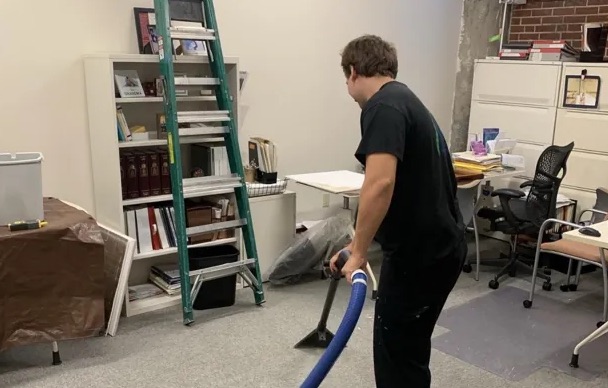
Water Damage Restoration Solutions in Mill Creek, Washington
In Mill Creek, water can damage building materials and indoor air. Local water damage pros restore homes and businesses, cleaning up sewage backups and drying the structure.
In Mill Creek and nearby Martha Lake, Eastmont and Silver Firs, local water removal pros respond 24/7 to sewage backups and other water damage, extracting and drying until moisture readings are normal.
Core Water Damage Restoration Methods Used in Mill Creek
Flood Cleanup
After a flood, the pros extract the water, clear debris and clean affected surfaces in Mill Creek properties.
Sewage Cleanup
Toilet and drain backups bring sewage into the home. The pros in Mill Creek remove the contaminated water and disinfect with strict safety steps.
Water Damage Repair
After drying, pros rebuild what water damaged, patching drywall and laying new flooring so rooms in Mill Creek homes work as before.
Storm Damage Repair
After a storm, the pros tarp roof damage, extract water and dry wet walls and floors. The pros in Mill Creek handle the inside of the house.
Water Extraction
Water extraction pulls moisture from saturated materials like carpets and padding. This deep process prevents warping and mold growth.
Symptoms Requiring Water Damage Restoration in Mill Creek
Cracked or Warping Floorboards
Hardwood floors that warp, cup, or crack are reacting to moisture. The pros can assess and begin drying.
Wet Spots on Carpets
Carpet or pad that stays damp means water has soaked deep into the floor, where it can rot the subfloor.
Sewage Odor in Basement
A sewer smell points to a backup or broken line. Sewage needs protective gear and careful removal.
Sagging or Bubbling Drywall
Drywall that swells, sags or bubbles has absorbed a lot of water and needs drying or removal.
How Water Damage Restoration Works in Mill Creek
Step 1: First Call and Inspection
An inspection after your call finds the type of water and how far it spread.
Step 2: Bulk Water and Sewage Cleanup
All bulk water, including hazardous Category 3 water from sewage backups, is removed. Specialized sewage cleanup protocols are used for safety.
Step 3: Detailed Moisture Removal
Moisture trapped in subfloors, drywall and insulation is pulled out with targeted drying.
Step 4: Property Restoration Completion
The final phase involves repairing or replacing damaged structural elements and finishes, with the goal of a dry, usable property.
Why Properties in Mill Creek Experience Water Damage
Appliance Malfunctions and Leaks
Water heaters, washing machines, dishwashers and refrigerators can leak or overflow suddenly and flood the floor.
Fire Suppression System Activation
Fire sprinklers that discharge during a fire or by accident put a lot of water into a building.
Natural Flooding From Heavy Rain
Heavy rain can overwhelm drainage and send surface water inside through doors and low spots.
Roof Leaks From Storm Damage
Wind-driven rain, hail or fallen debris can break through roofing and let water into the home.
Home and Business Water Damage Restoration in Mill Creek
Residential Water Damage Restoration
Attic water damage from roof leaks can ruin insulation and decking, affecting energy bills. The pros perform attic drying and may remove wet insulation.
Commercial Water Damage Restoration
Warehouses and plants need heavy-duty water removal over large areas after drainage failures or sprinkler discharges, to protect machinery and storage.
When Water Damage Restoration Requires a Pro in Mill Creek
After turning off power, mop water off hard floors. Put foil or plastic under furniture legs on wet carpet to prevent stains. If flooring buckles or cups, call the pros for drying.
Factors in Water Damage Restoration Pricing for Mill Creek
In Mill Creek, the materials involved affect the price. Drywall is simpler to dry or replace than hardwood or cabinets, which may need refinishing or replacement.
Secondary Damage Remediation
Extra work like mold removal or storm repairs adds its own scope and cost.
Area Accessibility
Difficult-to-access areas like crawl spaces or attics may require specialized equipment, increasing the time and cost for the experts to complete the work.
Emergency Service Timing
Night and weekend extraction can carry a different rate than work during business hours.
Does Insurance Cover Water Damage Restoration?
Mold cleanup after water damage might be covered if the mold came from a sudden, covered leak. Coverage is often limited, so review your policy.
Selecting Local Pros for Water Damage Restoration in Mill Creek
Comprehensive Water Extraction
Industrial pumps and extractors remove standing water in homes and commercial buildings.
IICRC-Standard Methods
The pros follow industry standards for water removal and drying, which helps prevent mold.
Detailed Damage Documentation
Pros systematically photograph the damage and record moisture readings, creating a clear visual and data record that can be useful for insurance purposes.
Emergency Water Damage Restoration Response for Mill Creek
A flooded basement or sewage backup requires urgent professional attention to protect your property and health. Don't delay. Reach the pros in Mill Creek for assistance by calling (425) 386-5713.
Call Now (425) 386-5713Water Damage Restoration Near Mill Creek: Areas Served
Across Mill Creek and nearby Martha Lake, Eastmont and Silver Firs, the pros extract water, dry and repair homes and businesses.
- Water Damage Restoration in Martha Lake
- Water Damage Restoration in Eastmont
- Water Damage Restoration in Silver Firs
- Water Damage Restoration in Alderwood Manor
- Water Damage Restoration in Lynnwood
- Water Damage Restoration in Picnic Point
- Water Damage Restoration in Everett
- Water Damage Restoration in Bothell
- Water Damage Restoration in 98082
Answers to Top Water Damage Restoration Questions
What is Category 3 water during sewage cleanup?
Category 3 water is grossly contaminated, containing pathogens, as from sewage backups, flooding from rivers, or standing water that has become stagnant.
What should be done immediately after discovering water damage?
If safe, stop the water source if possible. Move valuable items away from water. Then, contact the pros for emergency water extraction.
What happens during the flood cleanup process?
Flood cleanup starts with pumping out standing water. Then, mud and debris are removed. The area is cleaned and disinfected.
How quickly should water extraction begin after a flood?
As soon as it is safe. Standing water speeds up damage, and mold can start within 24 to 48 hours.
What equipment is used for emergency water extraction?
The experts use truck-mounted or portable submersible pumps for large volumes and industrial-grade wet/dry vacuums for residual water.