Clyde Hill, WA · King County
Water Heater Burst Water Removal in Clyde Hill, WAWater Heater Burst Water Extraction & Emergency Burst Heater Cleanup
For Clyde Hill homes, Water Heater Burst Water Removal encompasses burst water heater damage cleanup, hot water leak drying services, and water damaged floor removal.
Answered 24/7
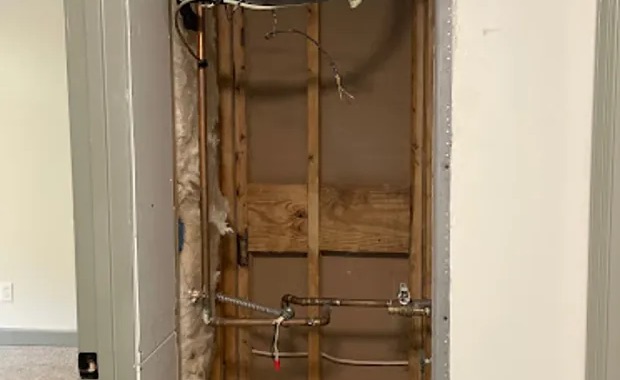
Water Heater Burst Water Removal Response in Clyde Hill, Washington
In Clyde Hill, water from a burst heater seeps under flooring and behind walls, where it hides. Waiting makes the cleanup bigger and raises the risk of mold.
In Clyde Hill and nearby Medina, Hunts Point and Yarrow Point, a burst water heater needs fast water removal. Local restoration pros extract the water, check for hidden moisture and dry homes and businesses to prevent long-term problems.
Complete Water Heater Burst Water Removal and Restoration in Clyde Hill
Water Heater Burst Water Extraction
Local restoration pros in Clyde Hill assess the spill and use high-capacity tools for complete extraction.
Emergency Burst Heater Cleanup
Emergency services prioritize action. The pros respond at any hour to extract water, assess hazards, and secure the area.
Burst Water Heater Damage Cleanup
Cleanup goes beyond drying. The pros remove debris, clean walls, and treat surfaces to prevent odors using industry-standard methods.
Hot Water Leak Drying Services
Moisture lingers in drywall and subflooring after extraction. Professional drying uses air movers and dehumidifiers to remove it, preventing warping and hidden mold.
Burst Pipe Mold Prevention
Preventing mold is cheaper and safer than remediating it later. After water removal and drying, prevention strategies include controlling humidity and treating susceptible areas with EPA-registered solutions.
Signs of Water Damage from a Burst Heater in Clyde Hill
A Sudden Spike in Water Bills
An unexplained increase in your water bill can indicate a hidden leak from your water heater. It's a sign to check for water damage and call for help.
Sudden Loss of Hot Water
Suddenly losing hot water can mean the water heater has failed inside. Check the base of the tank for water.
Moisture on the Tank or Pipes
Moisture or dampness on the tank or its pipes often comes before a full burst.
Visible Corrosion on the Tank
Obvious rust or corrosion on the exterior of the tank weakens its structure. This is a major risk factor for a catastrophic water heater flood.
How Water Heater Burst Water Removal Works in Clyde Hill
Step 1: Initial Assessment and Water Source Stop
The pros confirm the water source is secured. They assess the full scope of the burst water heater damage to plan the removal strategy.
Step 2: High-Power Water Extraction Service
Industrial extractors pull water from carpets, padding and hard surfaces around the heater.
Step 3: Advanced Drying for Hidden Moisture
Drying equipment is set up to reach moisture behind walls and in other hidden spaces.
Step 4: Sanitization and Final Verification
After drying, surfaces are cleaned and sanitized, and a final moisture check confirms the area is ready for repairs.
Why Water Heaters Fail and Cause Floods in Clyde Hill
Sediment Buildup in the Tank
Minerals settling at the bottom of the tank create hot spots and pressure. This stress can cause the tank to overheat and eventually rupture, leading to a hot water leak.
Faulty or Failing Temperature Valve
A malfunctioning temperature and pressure relief valve cannot release excess pressure. This trapped pressure builds until it forces a rupture in the tank's weakest point.
Improper Installation or Sizing
An incorrectly installed or undersized water heater works harder and experiences more stress. This strain accelerates wear and increases the risk of a catastrophic failure.
Frozen Water Heater Pipes
In cold climates, water inside inlet or outlet pipes can freeze and expand. This ice pressure can crack pipes or damage connections at the tank itself.
Water Heater Burst Water Removal for Homes and Businesses in Clyde Hill
Residential Water Heater Burst Water Removal
In homes, water from a burst heater can get into subfloors and wall cavities. The pros check those areas with meters and dry them.
Commercial Water Heater Burst Water Removal
Commercial properties have larger water heaters and more complex plumbing, leading to greater water volume. Emergency burst heater cleanup services are scaled to handle large-scale water extraction and rapid drying of expansive areas.
Professional Water Removal vs DIY Cleanup in Clyde Hill
You can use towels to soak up small, accessible puddles around the base of the heater to prevent slipping. Improve ventilation by opening windows if weather permits. Do not attempt to move the water heater or repair the tank yourself. For any significant water spread or moisture in walls, contact the experts for professional drying and damage assessment.
Understanding Water Damage Restoration Costs in Clyde Hill
Emergency service calls for a burst water heater, especially during nights or weekends, can influence the final price for water removal and damage control.
Required Equipment
The number of industrial-grade extractors, air movers, and dehumidifiers needed for thorough drying influences the equipment rental and operation costs.
Access Complexity
A water heater located in a tight closet or utility room can make water extraction and equipment setup more labor-intensive and costly.
Mold Prevention Measures
Applying antimicrobial treatments to prevent mold growth after a water heater leak adds a line item to the total restoration cost.
Does Insurance Cover Water Heater Burst Water Removal?
Policies vary on covering water damage from appliance failures. The pros document the drying and any wet drywall removal to help you talk with your insurance company.
The Value of Professional Water Removal in Clyde Hill
Contained Demolition
When necessary, wet drywall removal or damaged floor removal is performed neatly to minimize disruption and prepare for repairs.
Comprehensive Damage Assessment
An initial inspection evaluates the full extent of the burst heater's impact, informing an effective water removal and drying plan.
Hot Water Leak Specialization
Focus on the unique challenges of heated water spills, which can warp materials and drive moisture deeper than cold leaks.
Emergency Water Extraction in Clyde Hill, WA
Minimize repair costs and secondary damage after a water heater flood. Start the property water damage repair process with an emergency response from the pros by dialing (425) 386-5713 now.
Call Now (425) 386-5713Water Heater Burst Water Removal for Clyde Hill and Nearby Communities
Water heater burst water removal services address the urgent need to extract hot water and dry out rooms in Clyde Hill and nearby areas like Medina, Hunts Point and Yarrow Point.
- Water Heater Burst Water Removal in Medina
- Water Heater Burst Water Removal in Hunts Point
- Water Heater Burst Water Removal in Yarrow Point
- Water Heater Burst Water Removal in Bellevue
- Water Heater Burst Water Removal in Kirkland
- Water Heater Burst Water Removal in Beaux Arts Village
- Water Heater Burst Water Removal in Mercer Island
- Water Heater Burst Water Removal in Newcastle
Common Water Heater Burst Water Removal FAQs for Clyde Hill
Can a burst water heater cause mold growth?
Yes. Warm water and moisture can lead to mold, so extraction and drying matter.
What does mold prevention after a water leak involve?
Prevention involves rapid drying to deprive mold of moisture, application of EPA-registered antimicrobial agents to affected surfaces, and ensuring humidity levels return to normal.
How long does the water heater burst cleanup process take?
Duration depends on the leak's volume and affected materials. Water extraction may take hours, while thorough structural drying often requires several days of monitored effort.
Why is specialized drying needed for a hot water leak?
Hot water can soak into materials faster than cold, so drying needs to reach deeper.
Does a burst pipe water removal process differ from a heater burst?
The core water extraction and drying principles are similar, but a heater burst involves hot water, which may require more aggressive drying and different material handling.