Lakewood, WA · Pierce County
Water Heater Burst Water Removal in Lakewood, WAWet Drywall Removal After Burst & Water Heater Flood Water Removal
Water Heater Burst Water Removal in Lakewood handles wet drywall removal after burst, water damaged floor removal, and emergency burst heater cleanup.
Answered 24/7
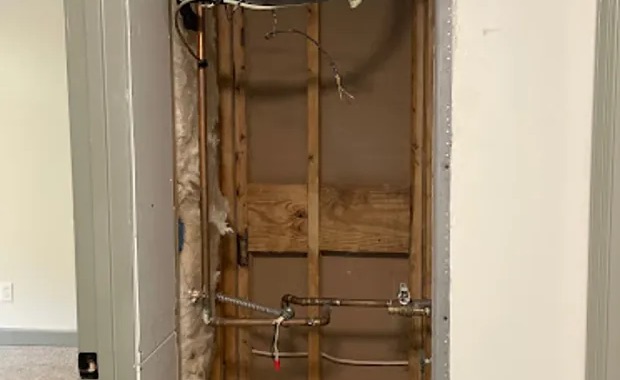
Water Heater Burst Water Removal Response in Lakewood, Washington
The aftermath of a water heater burst in Lakewood involves more than just mopping up water. Hot water saturates porous materials deeply, requiring advanced drying techniques to prevent warping, swelling, and mold.
In Lakewood and nearby Steilacoom, University Place and Parkland, a burst water heater needs fast water removal. Local water damage pros extract the water, check for hidden moisture and dry homes and businesses to prevent long-term problems.
Complete Water Heater Burst Water Removal and Restoration in Lakewood
Wet Drywall Removal After Burst
Water-compromised drywall loses integrity and can harbor mold. Affected sections are typically removed up to a dry line.
Water Heater Flood Water Removal
A water heater flood presents a unique challenge. Removal pros contain and extract the water to limit its spread to other rooms.
Hot Water Leak Drying Services
In Lakewood, the pros set up controlled drying to pull moisture out of wood, concrete and insulation until readings are normal.
Burst Pipe Mold Prevention
Preventing mold is cheaper and safer than remediating it later. After water removal and drying, prevention strategies include controlling humidity and treating susceptible areas with EPA-registered solutions.
Emergency Burst Heater Cleanup
When a heater bursts without warning, pros shut off the water supply and extract the spill to limit the damage.
Signs of Water Damage from a Burst Heater in Lakewood
Musty Odors From the Area
A musty smell near the water heater can indicate hidden moisture and early mold growth. Mold prevention after water leak services should be considered immediately.
A Sudden Spike in Water Bills
An unexplained increase in your water bill can indicate a hidden leak from your water heater. It's a sign to check for water damage and call for help.
Puddles Around the Water Heater
Standing water around the base of the water heater is a clear sign the tank or a fitting is leaking.
Visible Corrosion on the Tank
Obvious rust or corrosion on the exterior of the tank weakens its structure. This is a major risk factor for a catastrophic water heater flood.
How Water Heater Burst Water Removal Works in Lakewood
Step 1: Secure Area and Begin Water Extraction
The work area is secured for safety, and emergency water removal begins. The pros use industrial equipment to extract water from the burst site.
Step 2: Apply Focused Drying Techniques
Focused drying techniques are applied to wet materials, using equipment designed for rapid moisture evaporation.
Step 3: Monitor and Adjust the Drying Environment
Drying equipment is adjusted as readings change until all materials are dry.
Step 4: Final Cleanup and Prevention Advice
A final cleanup removes any debris and residues from the emergency burst heater cleanup process.
Common Causes of Water Heater Failure in Lakewood
Corrosion and Rust Over Time
The metal tank corrodes from the inside out due to constant water exposure and chemical reactions.
Sediment Buildup in the Tank
Minerals settling at the bottom of the tank create hot spots and pressure. This stress can cause the tank to overheat and eventually rupture, leading to a hot water leak.
Faulty or Failing Temperature Valve
A malfunctioning temperature and pressure relief valve cannot release excess pressure. This trapped pressure builds until it forces a rupture in the tank's weakest point.
Excessive Internal Water Pressure
Faulty pressure relief valves or thermal expansion can cause pressure to spike inside the tank.
Property Water Damage Services in Lakewood, WA
Residential Water Heater Burst Water Removal
Residential water heater floods often require careful handling of finished basements or adjacent rooms. The process involves water heater burst water extraction, sanitization, and targeted drying to restore normal living conditions safely.
Commercial Water Heater Burst Water Removal
A burst heater in a commercial setting risks slip hazards and code violations. The pros secure the area, extract standing water, and implement drying plans to support repairs and code compliance checks.
When to Handle Water Damage Yourself in Lakewood
Once the leak is stopped, report it to your insurance company and keep receipts for any emergency supplies. Confirm coverage with your insurer, and leave the removal and drying to the pros.
Understanding Water Damage Restoration Costs in Lakewood
Additional services such as mold prevention treatments after the hot water leak or specialized drying of enclosed spaces add to the base water removal fee.
Mold Prevention Measures
Applying antimicrobial treatments to prevent mold growth after a water heater leak adds a line item to the total restoration cost.
Structural Repairs
Any necessary removal and replacement of water-damaged building materials like drywall or flooring is a separate factor in the final cost.
Duration of Leak
How long the hot water leaked before discovery affects how deeply moisture penetrates, increasing the complexity and cost of drying.
Does Insurance Cover Water Heater Burst Water Removal?
Your insurer decides whether extraction and repairs are covered. The pros provide moisture readings and photos to support your claim.
Why Choose Local Water Damage Pros for Water Heater Burst Water Removal in Lakewood
Sequenced Restoration Process
Work follows a logical sequence: extraction, drying, cleaning, and controlled demolition, methodically addressing burst water heater damage cleanup.
Documentation for Insurance
Detailed photos and moisture readings are provided, creating a clear record of the damage for your insurance claim process.
Contained Demolition
When necessary, wet drywall removal or damaged floor removal is performed neatly to minimize disruption and prepare for repairs.
Emergency Water Damage Response in Lakewood
Minimize repair costs and secondary damage after a water heater flood. Start the property water damage repair process with an emergency response from the pros by dialing (425) 386-5713 now.
Call Now (425) 386-5713Water Heater Burst Water Removal Coverage in Pierce County
Water heater burst water removal services address the urgent need to extract hot water and dry out rooms in Lakewood and nearby areas like Steilacoom, University Place and Parkland.
- Water Heater Burst Water Removal in Steilacoom
- Water Heater Burst Water Removal in University Place
- Water Heater Burst Water Removal in Parkland
- Water Heater Burst Water Removal in Fircrest
- Water Heater Burst Water Removal in Midland
- Water Heater Burst Water Removal in Tacoma
- Water Heater Burst Water Removal in Spanaway
- Water Heater Burst Water Removal in Fife
- Emergency Damage Restoration in 98439
- Storm Damage Restoration in 98439
- Water Damage Restoration in 98439
- Water Extraction Service in 98439
- Water Leak Detection in 98439
- Water Removal Service in 98439
- Emergency Damage Restoration in 98497
- Storm Damage Restoration in 98497
Water Damage Restoration FAQs
How long does the water heater burst cleanup process take?
Duration depends on the leak's volume and affected materials. Water extraction may take hours, while thorough structural drying often requires several days of monitored effort.
What is involved in water heater burst water removal?
Pros extract the standing water, dry the affected materials with industrial equipment, inspect for moisture and remove wet drywall when needed.
Is wet drywall removal always necessary after a burst?
Not always. The pros use moisture meters to assess drywall. If it's saturated and cannot be dried thoroughly, removal is needed to prevent mold inside walls.
What areas are affected by water heater flood water removal?
Usually the utility room and nearby floors, and water can reach basements, garages or living spaces, each of which needs drying.
What is the goal of water damage restoration after a burst?
The aim is a dry, clean, stable area with no secondary damage like mold or weakened structure.