Puyallup, WA · Pierce County
Water Heater Leak Water Removal in Puyallup, WAHot Water Heater Leak Cleanup & Water Heater Flood Drying
Water Heater Leak Water Removal in Puyallup includes water heater leak water extraction, water heater flood drying, and water heater leak mold prevention to stop structural damage and growth.
Answered 24/7
Expert Water Heater Leak Water Removal for Puyallup Homes
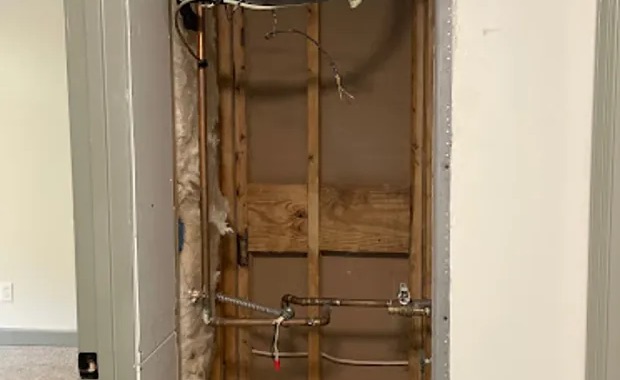
Within the community of Puyallup, water heater leaks frequently start in utility closets or garages. Water can soak insulation, warp drywall, and damage personal property stored nearby, making thorough cleanup and drying a complex task.
In Puyallup, ZIP codes 98371, 98372, 98373, 98374 and 98375, water heater leaks are a common household emergency. Water extraction experts remove the water, check for moisture, clean contents and repair damage 24/7.
Detailed Water Heater Leak Water Removal Services for Puyallup
Hot Water Heater Leak Cleanup
Cleanup after a hot water leak involves removing the heated water and sanitizing surfaces to address thermal damage and contamination risks.
Water Heater Flood Drying
After extraction, focused drying targets hidden dampness in walls and the subfloor. The pros deploy equipment in a calculated pattern to achieve drying goals for your property.
Emergency Water Heater Leak Response
Water heater leaks do not wait for business hours. The experts respond 24/7 to contain the leak and remove the water before it spreads.
Water Heater Leak Mold Prevention
To guard against future mold, an antimicrobial barrier is often applied post-cleanup. The pros in Puyallup include this treatment as part of a complete water heater leak response protocol.
Water Heater Leak Water Removal
Water extraction is the non-negotiable first step for a water heater leak. Professionals prioritize removing all visible water using industrial-grade extraction machinery.
Signs of a Water Heater Leak in Puyallup
Water Heater Flood Content Cleaning
Wet boxes or stored items in the water heater closet mean water has been collecting there.
Discolored or Rusty Water
Brown or rusty water from hot taps can mean the tank is corroding inside and may start to leak.
Unusual Utility Bill Spike
A sharp rise in your water bill can point to a slow, hidden leak from the water heater.
Low Water Pressure Issues
A sudden drop in hot water pressure often precedes a major leak. This is a common warning before significant water heater flooding occurs.
How Water Heater Leak Water Removal Works in Puyallup
Step 1: Emergency Containment Measures
First, the pros take steps to contain the leak and prevent water from spreading to other rooms.
Step 2: Complete Moisture Extraction
All water is extracted from floors, under appliances, and from any affected porous materials.
Step 3: Advanced Drying Technology
State-of-the-art air movers and dehumidifiers create a controlled drying environment. This water heater leak drying process uses industry-standard methods for reliable results.
Step 4: Prevention Verification Step
Before closing the job, pros verify that conditions are not conducive to mold growth.
What Causes Water Heater Leak Damage
Internal Tank Corrosion
Over time, sediment buildup and corrosion weaken the steel tank, creating pinhole leaks that lead to water heater leak water damage.
Failed Anode Rod Protection
When the sacrificial anode rod is fully consumed, accelerated tank corrosion occurs, often resulting in a leaking water heater damage scenario.
Old Age and General Wear
Most water heaters have a finite lifespan. As they age, general wear on all components increases the risk of a water heater leak.
Pressure Relief Valve Failure
A stuck or faulty temperature and pressure relief valve is a common cause of hot water heater flooding and sudden water discharge.
Residential and Commercial Water Heater Leak Water Removal in Puyallup
Residential Water Heater Leak Water Removal
Home water heaters located in attics create a high-risk scenario, as leaks can cascade through ceilings. The experts prioritize emergency water heater leak response to contain the flow.
Commercial Water Heater Leak Water Removal
In restaurants or hotels, a water heater leak can contaminate food prep areas or damage guest room finishes. The pros conduct specialized hot water heater leak cleanup following industry standards.
When to Hire Restoration Pros for Water Heater Leak Water Removal
Improving ventilation by opening windows or running fans can help start the drying process after a hot water heater flooding event. However, household fans cannot dry wall cavities or subflooring effectively.
Factors Affecting Water Heater Leak Water Removal Pricing
The final cost for emergency water heater leak service is shaped by how soon the leak is caught, the scale of water extraction needed, and the subsequent drying and dehumidification process.
Emergency Response
Water removal at night, on weekends or outside normal business hours can cost more.
Water Heater Type
The specific model and installation location of the water heater can impact accessibility and the techniques needed for water extraction.
Affected Area Size
The square footage of the water damage from the heater leak determines the scope of drying and dehumidification efforts needed.
Does Insurance Cover Water Heater Leak Water Removal?
For leaking water heater damage, some insurance policies may cover the cost of water removal and restoration if the leak was unforeseen. Professionals document the extent of water heater flood cleanup required with moisture meters and photographs.
Why Choose Local Pros for Water Heater Leak Water Removal in Puyallup
Detailed Documentation
Thorough photo and moisture data documentation supports your insurance claim process for water heater leak restoration costs.
Content Cleaning Focus
Water heater flood content cleaning addresses personal items affected by the leak, using appropriate techniques for different materials.
Comprehensive Moisture Inspection
Detailed moisture mapping helps ensure all affected areas from the leaking water heater are identified and addressed during the drying process.
24-Hour Water Heater Leak Water Removal in Puyallup, WA
Don't wait with a burst water heater. Fast, professional help for water heater leak cleanup and drying is just a phone call away. Reach the emergency response line at (425) 386-5713 for assistance in Puyallup.
Call Now (425) 386-5713Water Heater Leak Water Removal Serving Puyallup, Sumner, Edgewood and Milton
In Puyallup, and in nearby areas like Sumner, Edgewood and Milton, emergency help is available for unexpected tank failures.
- Water Heater Leak Water Removal in Sumner
- Water Heater Leak Water Removal in Edgewood
- Water Heater Leak Water Removal in Milton
- Water Heater Leak Water Removal in Fife
- Water Heater Leak Water Removal in Midland
- Water Heater Leak Water Removal in Bonney Lake
- Water Heater Leak Water Removal in Prairie Ridge
- Water Heater Leak Water Removal in Parkland
- Emergency Damage Restoration in 98371
- Storm Damage Restoration in 98371
- Water Damage Restoration in 98371
- Water Extraction Service in 98371
- Water Leak Detection in 98371
- Water Removal Service in 98371
- Emergency Damage Restoration in 98372
- Storm Damage Restoration in 98372
Water Heater Leak Water Removal Common Questions Answered
How is water damage documented for insurance?
Water damage is documented for insurance with photographs, moisture reading logs, and a detailed scope of work from the pros to support your claim.
What does hot water heater leak cleanup involve?
It includes water extraction, cleaning the area if needed, drying all surfaces with commercial equipment and checking for needed repairs.
What is emergency water heater leak response?
Emergency water heater leak response is 24/7 availability for water extraction and mitigation to stop further damage when a water heater fails unexpectedly.
What tools are used for water heater water extraction?
Truck-mounted or portable extractors, wet vacuums and pumps remove the standing water from the area.
Where does water go after a water heater leak?
After a water heater leak, water often pools around the unit, flows along the floor, and can seep into adjacent walls, under flooring, or into a basement.