Stanwood, WA · Snohomish County
AC Unit Water Removal in Stanwood, WAAC Leak Mold Prevention & AC Condensate Drain Clearing
AC Unit Water Removal in Stanwood runs from emergency AC water removal and AC leak water cleanup to air conditioner restoration services.
Answered 24/7
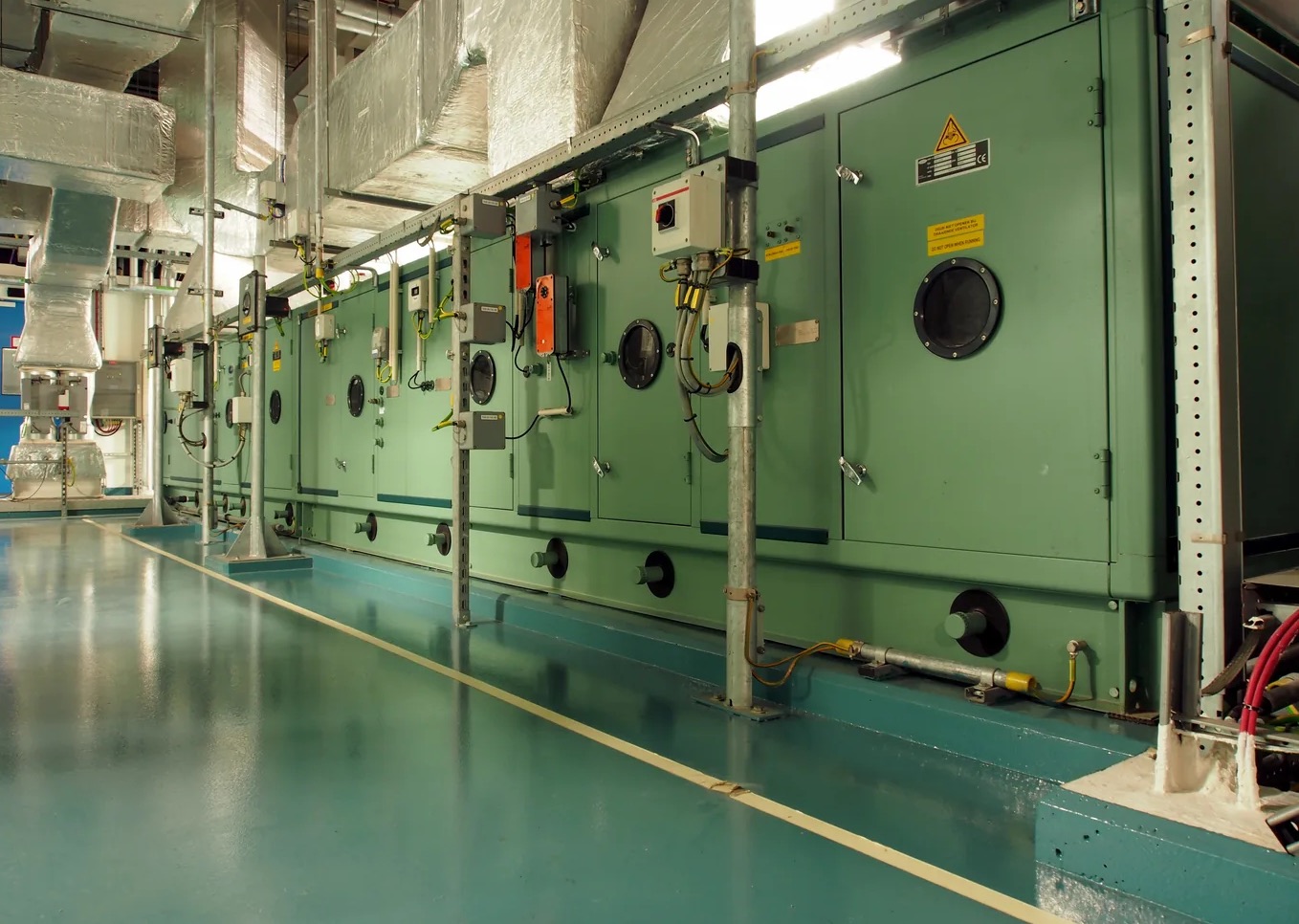
Professional AC Unit Water Removal in Stanwood, WA
Attic air handlers in Stanwood leak straight into the ceiling below. A sagging or stained ceiling under the unit means water is already in the drywall and possibly the insulation above it.
In Stanwood, AC leaks usually show up as ceiling stains under attic units, wet carpet near the furnace closet or water dripping from a vent. Help with AC unit water removal is available across Stanwood and in Arlington, Mount Vernon and Oak Harbor, day or night, with extraction, drain clearing and drying.
Complete AC Unit Water Removal and Repair in Stanwood
AC Leak Mold Prevention
Antimicrobial treatment is an add-on step after drying, not a substitute for removing wet materials that cannot be saved.
AC Condensate Drain Clearing
The PVC drain line is cleared with suction or a flush, and the trap is checked so water stops backing up into the pan.
AC Leak Water Cleanup
Cleanup starts at the drain pan and works outward, removing pooled water and wet debris so drying can begin.
Emergency AC Water Removal
Help is available day or night for leaks that start after hours, when water dripping from an attic unit cannot wait until morning.
Air Conditioner Restoration Services
After drying, damaged drywall, trim or ceiling panels near the unit can be replaced and repainted.
Indicators for Emergency AC Unit Water Removal
Water Stains on Walls
Brown rings or peeling paint on the ceiling under an attic unit, or on walls near the closet, point to a slow leak.
Reduced Cooling Efficiency
A clogged drain can trip a float switch or starve the coil of airflow, so the system runs longer and cools less.
Condensation Line Dripping
A condensate line that drips inside instead of outside has a crack, loose fitting or clog.
AC Drain Pan Overflow
Water at the rim of the drain pan, or in the secondary pan, means the condensate line is blocked.
How AC Unit Water Removal Works in Stanwood
Step 1: AC Unit Flood Cleanup
Water is extracted to help limit further soaking of insulation, framing and the ceiling below.
Step 2: Drain Line Diagnosis and Clearing
The drain line is inspected for clogs, sags or loose fittings and cleared so water drains outside.
Step 3: Structural and Unit Drying
Air movers and dehumidifiers run around the unit, with daily moisture checks on walls and floors.
Step 4: System Check and Cleanup
The pan is cleaned, the drain is tested with water and the area is left dry.
Common Causes of AC Water Damage in Stanwood
Disconnected Drain Line
A drain line knocked loose in the attic or closet empties condensate onto the ceiling or floor.
Failed Condensate Pump
Units that pump condensate uphill depend on a small pump. When it fails, the reservoir overflows.
High Static Pressure in Ducts
Restricted ducts can pull water off the coil and blow it into the cabinet or ductwork.
Frozen Evaporator Coils Thawing
A coil that freezes from low airflow sheds a large amount of water at once when it thaws.
AC Unit Water Removal Services for All Properties in Stanwood
Residential AC Unit Water Removal
For homeowners, the main risk is water soaking into insulation and drywall where no one sees it. Moisture meters find that hidden water so it can be dried before it causes rot.
Commercial AC Unit Water Removal
For property managers, one leaking unit can affect several suites or the floor below. Each wet area is extracted, dried and documented for the owner and insurer.
The Risks of DIY AC Unit Water Removal in Stanwood
Mopping up a small drip and clearing the drain line with a wet vac is a reasonable DIY step. Call local AC unit water removal pros if water reached the ceiling, walls or insulation, or if the leak keeps coming back after you clear the line.
What Affects AC Unit Water Removal Expense in Stanwood
An attic unit that leaked all night costs more to fix than a closet leak caught the same day. In Stanwood, calling early is the simplest way to keep the bill down.
Required Drying Time
Dense materials and enclosed spaces take longer to dry, which means more equipment days.
Affected Component Count
The more of the system that got wet, such as the blower, panels and insulation, the more drying time is needed.
Documentation Needs
Detailed photos and moisture logs for an insurance claim add some time to the job.
Does Insurance Cover AC Unit Water Removal?
Insurers often ask whether the leak was sudden or ongoing. A record of when the water was found, what it reached and how it was dried helps answer that question.
Advantages of Hiring Local Pros in Stanwood for AC Unit Water Removal
Clear Process Communication
Each step is explained before work starts, so you know what is being removed and why.
Drain Pan Extraction
Both the main pan and the safety pan are emptied and checked for damage.
Preventative Microbial Treatment
Optional antimicrobial treatment can be applied to wood and drywall that stayed wet for days.
Round-the-Clock Emergency AC Unit Water Removal in Stanwood
If water is near wiring or the breaker keeps tripping, turn off power to the unit and stay clear of the wet area. Then call (425) 386-5713 for help in Stanwood.
Call Now (425) 386-5713AC Unit Water Removal Service Area Including Stanwood
Other places served are listed below, each with its own page.
AC Unit Water Removal FAQ for Stanwood Homeowners
What is involved in AC unit water removal?
Standing water is extracted, the condensate line is cleared, and wet materials are dried with air movers and dehumidifiers until moisture readings are normal.
How quickly should I deal with an AC leak?
Right away. Water that sits for more than a day or two soaks into drywall and insulation and raises the risk of microbial growth.
What clogs an AC condensate line?
Algae, sludge, dust and debris build up inside the line, especially over long cooling seasons, until water backs up into the pan.
What are signs I need water removed from around my air conditioner?
Puddles near the unit, ceiling stains, a musty smell, a full drain pan or an AC that shuts off on its own.
Does homeowners insurance cover water damage from an HVAC unit?
Sudden leaks are often covered, but slow leaks and the unit itself usually are not. Check your policy.