Arlington, WA · Snohomish County
Basement Water Damage Restoration in Arlington, WABasement Floor Water Removal & Basement Drying Services
Basement Water Damage Restoration in Arlington runs from basement water extraction and basement floor water removal to basement dehumidification.
Answered 24/7
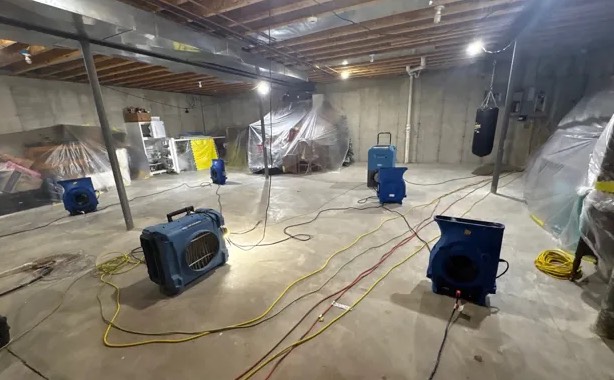
Local Basement Water Damage Restoration Near Arlington
Basements collect water from every direction: rain seeping through walls, groundwater pushing up through the slab, sewage backing up through floor drains and pipes bursting overhead. In an Arlington home with a basement or below-grade room, any of these can leave inches of water on the floor.
Homes in Arlington and nearby Marysville, Granite Falls and Stanwood with basements deal with seepage, plumbing leaks and sewer backups. Help with basement water damage restoration covers pumping, removal of wet materials and drying of walls and concrete.
Basement Water Damage Restoration Solutions Available in Arlington
Basement Floor Water Removal
Wet carpet pad is removed from basement floors, since it holds water against the concrete and dries poorly.
Basement Drying Services
Drying a basement takes longer than drying an upper floor because the air is cool and the concrete holds moisture.
Basement Wall Drying
Concrete and block walls are dried with directed airflow and dehumidifiers, and checked with meters until readings drop.
Basement Mold Prevention
Keeping basement humidity low after drying helps prevent mold from returning, especially in finished spaces.
Basement Sewer Backup Cleanup
Sewage that backs up through a floor drain or toilet is extracted with protective gear, and the area is contained from the rest of the house.
Warning Signs You Need Basement Water Damage Restoration
Efflorescence on Concrete Walls
White, chalky deposits on concrete walls mean water is moving through the concrete and leaving minerals behind.
Wet or Stained Basement Walls
Dark, wet patches or tide lines on basement walls show where water seeped in or wicked up.
Standing Water in the Basement
Any standing water on the basement floor needs pumping right away, before it soaks walls and framing.
Damp or Musty Odors
A damp, earthy or musty smell in the basement often means hidden moisture in walls, carpet or the slab.
How Basement Water Damage Restoration Works in Arlington
Step 1: Floodwater Pump-Out
Submersible pumps remove deep water, and electrical hazards are checked before anyone walks in it.
Step 2: Deep Moisture Extraction
Extractors pull water from carpet, pad and the concrete floor after the deep water is gone.
Step 3: Air Circulation and Drying
Air movers keep dry air moving across walls and floors throughout the basement.
Step 4: Dehumidification and Verification
Dehumidifiers run until humidity and material readings confirm the basement is dry.
What Causes Basement Water Damage Restoration in Arlington
Window Well Flooding
Window wells without drains or covers fill with rain and leak through basement windows.
Sump Pump Mechanical Failure
A sump pump that fails, loses power or is too small lets groundwater rise into the basement.
Failed or Clogged Drain Tile
Clogged or collapsed drain tile around the foundation lets water build up against the walls.
Faulty Basement Waterproofing
Old or failed waterproofing on foundation walls lets water through during wet weather.
Home and Business Basement Water Damage Restoration in Arlington
Residential Basement Water Damage Restoration
Homeowners with older basements may have seepage that returns with each storm. Drying fixes the current damage, and the source is noted for a waterproofing contractor.
Commercial Basement Water Damage Restoration
Apartment and condo buildings with shared basements or lower levels may have laundry and storage below grade. Each area is extracted, dried and recorded for the building manager.
Basement Water Damage Restoration: Professional Help vs. Doing It Yourself in Arlington
Sewage in a basement should not be cleaned up without gloves, boots and eye protection. For any backup through a floor drain or toilet, call local restoration pros.
What Influences Basement Water Damage Restoration Cost in Arlington
Sewage cleanup, finished walls, storm-night calls and damaged appliances all add to the total for basement water damage restoration in Arlington.
Material Saturation
Finished basements with carpet, drywall and insulation take more removal work than bare concrete.
Secondary Damage
Damage to furnaces, water heaters and belongings adds repair and replacement costs.
Dehumidification Needs
Large dehumidifiers may need to run longer in below-grade spaces than in upper floors.
Does Insurance Cover Basement Water Damage Restoration?
Coverage for basement water damage restoration depends on where the water came from and your policy terms. The pros document the damage, and your insurer decides what is covered.
Advantages of Hiring Local Pros in Arlington for Basement Water Damage Restoration
Water Type Handling
Clean water, gray water and sewage are each handled with the right protection and removal steps.
Containment Strategies
Plastic sheeting keeps contaminated areas separate from clean parts of the house.
Water Extraction First
Water is removed from floors, carpet and pad before drying starts, which shortens drying time.
24/7 Emergency Basement Water Damage Restoration for Arlington
A flooded basement damages walls, furnaces, water heaters and belongings quickly. Call (425) 386-5713 for basement water damage restoration in Arlington at any hour.
Call Now (425) 386-5713Local Basement Water Damage Restoration Coverage: Arlington and Beyond
Basement water removal and drying also cover homes and buildings in Marysville, Granite Falls and Stanwood, close to Arlington, day or night.
- Basement Water Damage Restoration in Marysville
- Basement Water Damage Restoration in Granite Falls
- Basement Water Damage Restoration in Stanwood
- Basement Water Damage Restoration in Lake Stevens
- Basement Water Damage Restoration in Everett
- Basement Water Damage Restoration in Mount Vernon
- Basement Water Damage Restoration in Mukilteo
- Basement Water Damage Restoration in Snohomish
- Emergency Damage Restoration in 98223
- Storm Damage Restoration in 98223
- Water Damage Restoration in 98223
- Water Extraction Service in 98223
- Water Leak Detection in 98223
- Water Removal Service in 98223
Basement Water Damage Restoration Common Questions Answered
What health risks come with delayed basement flood cleanup?
Standing water and wet materials can support bacteria and microbial growth, and sewage carries contaminants that need disinfection.
Can wet basement drywall be saved after water damage?
Sometimes, if the water was clean and removed quickly. Soaked or sewage-contaminated drywall is cut out above the water line.
Why is dehumidification so important after basement water removal?
Basements hold moisture in the air and concrete. Without dehumidifiers, walls and framing stay damp long after the water is gone.
What causes the most common below-grade leaks in homes?
Sump pump failures, foundation cracks, clogged drain tile, sewer backups and burst pipes in the basement ceiling.
What is involved in basement water damage restoration?
Pumping out water, removing soaked materials, cleaning contaminated areas, drying walls, framing and concrete, and dehumidifying until readings are normal.