Stanwood, WA · Snohomish County
Basement Water Damage Restoration in Stanwood, WABasement Dehumidification & Basement Drying Services
Basement Water Damage Restoration in Stanwood includes emergency basement flood cleanup, basement sewer backup cleanup and basement wall drying.
Answered 24/7
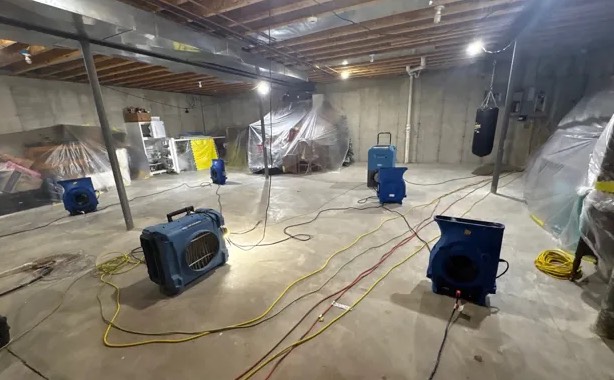
Local Basement Water Damage Restoration Near Stanwood
In a Stanwood home with a basement and a sump pump, a pump that fails during heavy rain lets water rise fast. Furnaces, water heaters, washers and stored belongings all sit at floor level and take the damage first.
Homes in Stanwood and nearby Arlington, Mount Vernon and Oak Harbor with basements deal with seepage, plumbing leaks and sewer backups. Help with basement water damage restoration covers pumping, removal of wet materials and drying of walls and concrete.
Basement Water Damage Restoration Services in Stanwood
Basement Dehumidification
A basement with no moisture problem before the flood may still need a dehumidifier afterward while the concrete dries.
Basement Drying Services
Equipment is adjusted each day based on moisture readings until every material reaches its normal level.
Basement Water Extraction
Submersible pumps remove deep standing water, then portable extractors pull water from carpet, pad and the concrete floor.
Basement Floor Water Removal
A slab can look dry on top while still holding water. Moisture readings show when it is ready for new flooring.
Basement Mold Prevention
Keeping basement humidity low after drying helps prevent mold from returning, especially in finished spaces.
Signs of Basement Water Damage in Stanwood
Mold on Surfaces
Dark spots on drywall, framing or stored boxes mean the area has stayed wet for days.
Rusted Appliances or Pipes
Rust on the water heater, furnace base or pipes points to repeated moisture or past flooding.
Condensation on Windows or Pipes
Water beading on cold pipes or basement windows shows high humidity that keeps materials damp.
Damp or Musty Odors
A damp, earthy or musty smell in the basement often means hidden moisture in walls, carpet or the slab.
How Basement Water Damage Restoration Works in Stanwood
Step 1: Water Removal
Pumps and extractors remove standing water from the basement floor, starting at the lowest point.
Step 2: Targeted Moisture Evaporation
Air movers are aimed at wet walls, framing and the slab to speed evaporation.
Step 3: Humidity Control
Large dehumidifiers pull moisture from the basement air, with readings checked every day.
Step 4: Final Verification and Restoration
Final readings confirm the basement is dry, and the space is ready for drywall and flooring repairs.
Why Basement Water Damage Occurs in Stanwood
Stormwater Runoff Into Lower Levels
Heavy rain running off hard ground or a sloped yard can pour down stairwells and under doors into below-grade rooms.
Sewer Line Backups
A blocked or overloaded sewer line pushes wastewater up through basement drains and toilets.
Plumbing Pipe Bursts or Leaks
Supply lines and drain pipes in basement ceilings can crack or burst onto the floor below.
Window Well Flooding
Window wells without drains or covers fill with rain and leak through basement windows.
Basement Water Damage Restoration for All Properties in Stanwood
Residential Basement Water Damage Restoration
Homeowners with older basements may have seepage that returns with each storm. Drying fixes the current damage, and the source is noted for a waterproofing contractor.
Commercial Basement Water Damage Restoration
Apartment and condo buildings with shared basements or lower levels may have laundry and storage below grade. Each area is extracted, dried and recorded for the building manager.
When to DIY and When to Call the Pros for Basement Water Damage Restoration
If a small leak left a puddle on bare concrete, a wet vac and a dehumidifier may be enough. Call local water damage pros if water reached drywall, carpet or framing, or if it came from a sewer drain.
Understanding Basement Water Damage Restoration Pricing in Stanwood
A basement pumped and dried right away in Stanwood usually costs less than one left wet for days, when more drywall and flooring are lost.
Emergency Service
Night, weekend and storm calls can cost more than a scheduled visit.
Dehumidification Needs
Large dehumidifiers may need to run longer in below-grade spaces than in upper floors.
Access Complexity
Narrow stairs, low ceilings and stored contents can make the work slower.
Does Insurance Cover Basement Water Damage Restoration?
Coverage for basement water damage restoration depends on where the water came from and your policy terms. The pros document the damage, and your insurer decides what is covered.
Why Choose Local Pros for Basement Water Damage Restoration in Stanwood
Water Extraction First
Water is removed from floors, carpet and pad before drying starts, which shortens drying time.
Mold Prevention Focus
Fast drying is the main way to limit microbial growth in a below-grade space.
Industrial-Grade Equipment
Pumps, extractors and large dehumidifiers remove water much faster than household wet vacs and fans.
Round-the-Clock Emergency Basement Water Damage Restoration in Stanwood
A flooded basement damages walls, furnaces, water heaters and belongings quickly. Call (425) 386-5713 for basement water damage restoration in Stanwood at any hour.
Call Now (425) 386-5713Local Basement Water Damage Restoration Coverage: Stanwood and Beyond
The places below are also served, and each one has its own page.
- Basement Water Damage Restoration in Arlington
- Basement Water Damage Restoration in Mount Vernon
- Basement Water Damage Restoration in Oak Harbor
- Basement Water Damage Restoration in Marysville
- Basement Water Damage Restoration in Burlington
- Basement Water Damage Restoration in Darrington
- Basement Water Damage Restoration in Port Townsend
- Basement Water Damage Restoration in Graham
Frequently Asked Questions About Basement Water Damage Restoration
What is involved in basement water damage restoration?
Pumping out water, removing soaked materials, cleaning contaminated areas, drying walls, framing and concrete, and dehumidifying until readings are normal.
Why is quick action important for below-grade flood restoration?
Basements dry slowly, so every hour of standing water adds days of drying and more material to replace.
Can wet basement drywall be saved after water damage?
Sometimes, if the water was clean and removed quickly. Soaked or sewage-contaminated drywall is cut out above the water line.
How long does below-grade drying take after a flood?
Often several days or longer, since concrete and cool basement air dry slowly. Daily readings show progress.
Why is dehumidification so important after basement water removal?
Basements hold moisture in the air and concrete. Without dehumidifiers, walls and framing stay damp long after the water is gone.