Clyde Hill, WA · King County
Basement Water Extraction in Clyde Hill, WAEmergency Basement Drying & Basement Sewage Backup Cleanup
Basement Water Extraction in Clyde Hill runs from basement flood water extraction and basement carpet water removal to emergency basement drying.
Answered 24/7
Need Basement Water Extraction in Clyde Hill, WA?
Basement Water Extraction in Clyde Hill works differently in finished and unfinished basements. Bare concrete can be pumped and dried. Finished spaces hide water under flooring and behind drywall.
Homeowners in Clyde Hill can call (425) 386-5713 day or night when water is rising in the basement. Service also covers Medina, Hunts Point and Yarrow Point, with the same pump-out and drying steps.
Basement Water Extraction Solutions Available in Clyde Hill
Emergency Basement Drying
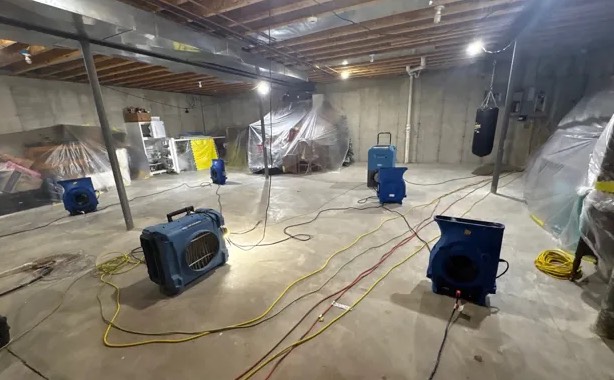
Help is available any hour to set up air movers and dehumidifiers, so drying starts as soon as the standing water is out.
Basement Sewage Backup Cleanup
After a sewage backup, carpet, pad and lower drywall it touched are removed and bagged, and concrete and framing are disinfected.
Basement Mold Prevention Services
Keeping basement humidity down after drying helps keep mold from returning, especially behind finished walls.
Basement Carpet Water Removal
Lifting the carpet lets the concrete underneath dry. Leaving wet pad on the slab keeps the basement damp for weeks.
Sump Pump Failure Water Removal
Water from a failed sump is usually clean at first, but it picks up dirt from the floor. It is extracted and the area cleaned before drying.
Warning Signs of a Basement Flood in Clyde Hill
Water Stains on Walls
Tide lines or dark patches on basement walls show where water seeped in or wicked up.
Cracked Foundation Walls
Cracks in foundation walls, especially with damp edges, are common entry points for water.
Peeling Paint or Bubbling Drywall
Bubbling drywall or peeling paint on lower walls usually has moisture behind it.
Musty Smell in the Basement
A musty, earthy smell in the basement usually means something down there is staying wet.
How Basement Water Extraction Works in Clyde Hill
Step 1: Initial Flood Water Pump Out
Submersible pumps remove deep water, starting at the lowest point near the floor drain.
Step 2: Material-Specific Water Removal
Carpet, pad, drywall and flooring are each extracted, dried or removed based on readings.
Step 3: Controlled Drying
Dehumidifiers and air movers keep humidity low so walls and concrete can release their water.
Step 4: Final Sanitizing and Odor Control
Remaining surfaces are cleaned, and musty or sewage odors are addressed before repairs.
What Causes Water Damage in Clyde Hill Basements
Poor Exterior Drainage and Grading
Soil that slopes toward the house sends rainwater straight to the foundation.
Foundation Cracks and Leaks
Cracks in foundation walls and floors let groundwater seep in during wet weather.
Heavy Rainfall or Storm Flooding
Heavy rain saturates the soil around the foundation and pushes water into the basement.
Sewer Line Backup or Blockage
Tree roots, grease or a collapsed pipe can block the sewer line and push wastewater back up.
Basement Water Extraction for Homes and Businesses in Clyde Hill
Residential Basement Water Extraction
Homeowners with finished basements need carpet, pad and lower drywall checked closely. Wet materials are removed so the framing and slab can dry fully.
Commercial Basement Water Extraction
Businesses with below-grade inventory need wet stock moved out and documented. Extraction and drying are planned around operations where possible.
The Risks of DIY Basement Water Extraction in Clyde Hill
A small puddle on bare concrete can be handled with a wet vac and a dehumidifier. Call local water extraction pros if water reached carpet, drywall or framing, or if it came up through a drain.
What Affects Basement Water Extraction Cost in Clyde Hill?
The cost of basement water extraction in Clyde Hill depends on how deep the water is, whether it is clean or sewage, and how much finished material must be removed.
Required Drying Time
Basements dry slowly, and each extra day of equipment adds to the cost.
Basement Finishes and Materials
Finished basements with carpet, drywall and laminate need more removal than bare concrete.
Necessary Demolition and Removal
Cutting out wet drywall, insulation and flooring adds labor and disposal fees to the job.
Does Insurance Cover Basement Water Extraction?
Ask your adjuster early whether your policy covers seepage or sewer backup, since many policies limit or exclude both kinds of water.
Advantages of Hiring Local Pros for Basement Water Extraction in Clyde Hill
Moisture Detection
Meters and thermal cameras find water in walls, carpet and slab that looks dry.
Contaminated Water Protocols
Sewage and dirty water are handled with protective gear, containment and disinfection.
Industry Drying Standards
Extraction and drying follow industry water damage standards, with readings at every visit.
24/7 Basement Water Extraction for Clyde Hill Emergencies
Storm night, weekend or holiday, local water extraction pros handle flooded basements in Clyde Hill. Call (425) 386-5713 to get the water pumped out quickly.
Call Now (425) 386-5713Basement Water Extraction Serving Clyde Hill, Medina, Hunts Point and Yarrow Point
Help with basement water extraction is also available in communities near Clyde Hill, including Medina, Hunts Point and Yarrow Point, for flooded basements and sewer backups.
- Basement Water Extraction in Medina
- Basement Water Extraction in Hunts Point
- Basement Water Extraction in Yarrow Point
- Basement Water Extraction in Bellevue
- Basement Water Extraction in Kirkland
- Basement Water Extraction in Beaux Arts Village
- Basement Water Extraction in Mercer Island
- Basement Water Extraction in Newcastle
FAQs on Basement Water Extraction and Drying
What makes sewage backup cleanup different?
Sewage carries bacteria, so it needs protective gear, containment, removal of porous materials and disinfection before drying.
Are basement drying services needed after a small leak?
Often yes. Even a small leak can wet carpet pad, drywall and the slab, which stay damp without proper drying.
How is moisture removal verified after basement drying?
Readings on walls, framing and slab are compared to dry areas until they match.
How long does emergency basement drying take?
Often several days or longer, since concrete and cool basement air dry slowly. Daily readings track progress.
What are the risks of delaying wet basement cleanup?
More drywall, flooring and framing to replace, longer drying times, odors and a higher risk of microbial growth.