Kirkland, WA · King County
Basement Water Removal in Kirkland, WABasement Dehumidification & Basement Wall Drying
After a burst pipe or storm, Basement Water Removal in Kirkland means basement water pump out, basement wall drying and basement drying services.
Answered 24/7
Expert Basement Water Removal in Kirkland, Yarrow Point, Hunts Point and Clyde Hill
Basement Water Removal in Kirkland starts with safety. Water near the furnace, water heater or electrical panel can be dangerous, so power is made safe before anyone steps into it.
Homes in Kirkland and nearby Yarrow Point, Hunts Point and Clyde Hill with basements face storm seepage, sewer backups and plumbing leaks. Help with basement water removal covers pump-out, wall and floor drying and dehumidification.
Professional Basement Water Removal Offerings
Basement Dehumidification
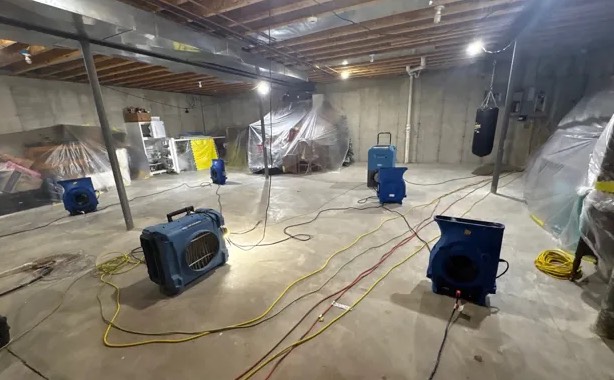
Dehumidifiers run continuously during drying, and their output is checked to track how much water is still coming out of the materials.
Basement Wall Drying
Opening the bottom of finished walls lets air reach the studs and sill plate, which otherwise stay wet behind the drywall.
Basement Drying Services
Drying plans for basements account for cool air and thick concrete, which hold moisture longer than upper floors.
Emergency Basement Flooding
A flooded basement threatens the furnace, water heater and anything stored on the floor. Fast pumping protects what can still be saved.
Basement Floor Water Damage
Water on a basement floor soaks into carpet pad, laminate seams and the concrete itself. Floor coverings are lifted where needed so the slab can dry.
Warning Signs You Need Basement Water Removal
Gurgling Sounds From Drains
Gurgling floor drains or slow drains can be an early sign of a sewer line problem.
Rusted Appliances or Furniture
Rust on appliance bases, furniture legs or metal shelving points to standing water or long-term dampness.
Mold or Mildew
Dark spots on drywall, framing or stored items mean the area has stayed wet for days.
Soggy or Wet Carpeting
Carpet that feels damp or smells sour is holding water in the pad against the concrete.
How Basement Water Removal Works in Kirkland
Step 1: Safety Assessment and Pump Out
Electrical hazards are checked, then deep water is pumped outside away from the foundation.
Step 2: Content Removal and Damage Documentation
Wet belongings are moved, and photos record the water level and damaged materials.
Step 3: Targeted Water Removal and Drying
Carpet is extracted, wet drywall is cut back and air is aimed at walls and the slab.
Step 4: Sanitization and Moisture Control
Surfaces touched by dirty water are disinfected, and dehumidifiers keep humidity low.
Common Causes of Basement Flooding in Kirkland
Sewer Line Backups and Blockages
A blocked sewer line can push wastewater up through basement floor drains and toilets.
Window Well Leaks and Drainage
Window wells without drains or covers fill with rain and leak through the windows.
Foundation Cracks and Seepage
Cracks in foundation walls and the slab let groundwater seep in during wet weather.
Plumbing Leaks or Pipe Bursts
Supply lines, drain pipes and water heaters in the basement can leak or burst onto the floor.
Basement Water Removal for Homes and Businesses
Residential Basement Water Removal
In homes, a wet basement often means damaged carpet, drywall and stored belongings, plus a furnace or water heater sitting in water. Water is pumped out and the space dried.
Commercial Basement Water Removal
In commercial buildings, basements often house mechanical rooms and storage. Water is removed so systems can be checked to determine whether they can be restarted safely.
Professional Basement Water Removal Versus Do-It-Yourself
Do not step into basement water if cords, outlets or appliances are in it. Shut off power at the panel only if you can reach it from a dry spot, then call (425) 386-5713.
Basement Water Removal Cost in Kirkland, WA
The pros look at water depth, water type and basement finishes before pricing basement water removal in Kirkland, then explain the scope.
Water Depth and Volume
Deeper water takes more pumping time and usually means more materials got wet.
Drying Time Required
Basements dry slowly, and each extra day of equipment adds to the total.
Affected Materials
Finished walls, carpet and laminate take more removal work than bare concrete.
Does Insurance Cover Basement Water Removal?
Ask your adjuster early how your policy treats seepage and sewer backups, since many policies limit or exclude both kinds of water.
The Value of Professional Basement Water Removal
Methodical Water Removal Process
Water is removed in a set order: pump-out, extraction, removal of soaked materials, then drying.
Advanced Drying Equipment
Pumps, extractors and large dehumidifiers remove water much faster than household tools.
Post-Service Moisture Verification
Final readings are recorded before equipment leaves, so you know the basement is dry.
24/7 Basement Water Removal When You Need It
If water is near outlets, the furnace or the electrical panel, stay out of it. Call (425) 386-5713 for help in Kirkland and wait for power to be made safe.
Call Now (425) 386-5713Basement Water Removal Serving Kirkland and Surroundings
Besides Kirkland, local basement water removal pros handle basement pump-outs, wall drying and dehumidification in nearby Yarrow Point, Hunts Point and Clyde Hill.
- Basement Water Removal in Yarrow Point
- Basement Water Removal in Hunts Point
- Basement Water Removal in Clyde Hill
- Basement Water Removal in Redmond
- Basement Water Removal in Medina
- Basement Water Removal in Kenmore
- Basement Water Removal in Lake Forest Park
- Basement Water Removal in Beaux Arts Village
- Emergency Damage Restoration in 98033
- Storm Damage Restoration in 98033
- Water Damage Restoration in 98033
- Water Extraction Service in 98033
- Water Leak Detection in 98033
- Water Removal Service in 98033
- Emergency Damage Restoration in 98034
- Storm Damage Restoration in 98034
Frequently Asked Basement Water Removal Questions
Why is fast water removal so important for basements?
Basements dry slowly, so every hour of standing water adds drying days and more materials to replace.
Can I dry my basement myself with fans?
Fans help with surface water, but walls and concrete need dehumidifiers and readings to dry fully.
What should I do right after basement flooding?
Make power safe, avoid sewage, move belongings above the water, take photos and call for water removal.
What is the difference between a pump out and extraction?
A pump out removes deep standing water. Extraction pulls the remaining water from carpet, pad and floors.
What equipment is used for basement water extraction?
Submersible pumps, extractors, wet vacs, air movers, large dehumidifiers and moisture meters to confirm drying.