Edgewood, WA · Pierce County
Floodwater Removal in Edgewood, WAFlood Damaged Drywall Removal & Sewage Flood Cleanup
Floodwater Removal in Edgewood covers flooded carpet water removal, storm flood water pumping, and contaminated floodwater removal.
Answered 24/7
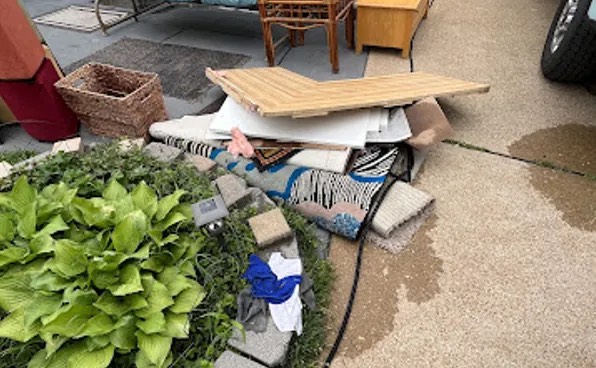
Professional Floodwater Removal in Edgewood, WA
In Edgewood, floodwater soaks floors, drywall and belongings and starts mold within a day or two. Getting it out quickly limits how much has to be torn out.
In Edgewood, flood cleanup includes drying flooded rooms and removing soaked drywall. Local floodwater removal pros also work around the clock in nearby Milton, Pacific and Sumner.
Comprehensive Floodwater Removal Solutions in Edgewood
Flood Damaged Drywall Removal
Flood-soaked drywall acts as a reservoir for moisture and microbes. The standard procedure involves removing the compromised panels to access the framing and insulation behind them.
Sewage Flood Cleanup
Floodwater containing sewage is considered hazardous. The cleanup process begins with extracting the contaminated water using equipment designed for contaminated water.
Flooded Room Drying Services
Structural drying is a critical phase after floodwater removal. Experts use moisture meters and thermal imaging to locate hidden dampness, then strategically place drying equipment.
Contaminated Floodwater Removal
Contaminated floodwater leaves behind pollutants on surfaces. The cleanup service includes agitating and removing silt, mud, and other debris from floors and walls.
Storm Flood Water Pumping
When stormwater inundates a property, pumping is the first line of defense. This service focuses on removing bulk water using heavy-duty pumps capable of handling debris-laden water.
How to Know You Need Floodwater Removal in Edgewood
Gurgling Sounds in Drains
Gurgling drains can signal a sewer line problem that may cause backup. Contaminated floodwater needs protective gear and disinfection.
Sewage Backflow or Contaminated Water
Sewage or contaminated floodwater is a health risk and needs protective gear and disinfection to clean up.
Foundation Cracks Seeping Water
Water seeping through foundation cracks needs pumping out, and the crack should be checked once the area is dry.
Swollen or Warped Baseboards
Swollen baseboards show the walls soaked up water and need to be checked.
How Floodwater Removal Works in Edgewood
Step 1: Floodwater Pumping
The process begins with high-capacity pumps for storm flood water pumping, removing the bulk of standing water from basements, garages or ground floors.
Step 2: Contaminated Floodwater Removal Protocol
If water is contaminated, restoration pros follow safety protocols for removal and disposal. Affected areas are then cleaned and disinfected.
Step 3: Structural Drying of Flooded Rooms
Drying equipment is set up to reach water trapped in drywall, insulation and wall cavities.
Step 4: Damage Assessment for Restoration
Once dry, an assessment shows which materials, like drywall or flooring, need repair or replacement.
Typical Sources of Floodwater Damage in Edgewood
Roof Leaks During Downpours
A damaged roof can let water pour into an attic or upper floors, so water must be removed from several levels.
Sewer System Backup
Municipal sewer backups or overwhelmed septic systems can push contaminated water into a home through floor drains and toilets.
Clogged or Faulty Gutters
Clogged gutters let water pool next to the foundation, where it seeps into basements.
Foundation Cracks and Leaks
Cracks in a foundation let groundwater seep in during long, soaking rains.
Both Residential and Commercial Floodwater Removal in Edgewood
Residential Floodwater Removal
Residential floodwater extraction often involves confined spaces like basements and crawlspaces. Pros use subfloor drying systems and remove soaked carpet to dry the structure.
Commercial Floodwater Removal
Commercial properties with flat roofs or large footprints are susceptible to pooling water. Local pros check roof drains and use high-capacity pumps to clear flooded areas.
The Risks of DIY Floodwater Removal in Edgewood
Take photos and video of every wet area and item for your insurer, and make a list of damaged property. Do not throw things out before the adjuster sees them. The pros also provide records.
What Affects Floodwater Removal Pricing in Edgewood
In Pierce County, cost depends on labor hours for pumping, the size of the flooded area and how much drying equipment the job needs.
Location and Accessibility
Flooded basements or crawl spaces that are hard to reach take more labor to pump and dry.
Required Drying Equipment
The number of air movers, dehumidifiers and air scrubbers needed affects the cost.
Duration of Drying Process
Drying can take several days, and longer drying means more equipment days and visits.
Does Insurance Cover Floodwater Removal?
If storm water had to be pumped out, check whether you have storm damage coverage or a flood policy. Standard homeowners insurance often excludes this. The decision on what is covered rests solely with your insurance provider.
The Value of Local Pros for Floodwater Removal in Edgewood
Contaminated Water Protocols
For sewage, protective gear and disinfection are used to deal with the health risks.
Industrial-Grade Drying Equipment
Air movers and dehumidifiers are set up to dry the home steadily after the flood.
Advanced Moisture Detection
Moisture meters and thermal cameras find hidden dampness in walls and subfloors.
Around-the-Clock Emergency Floodwater Removal in Edgewood
Emergency flood cleanup starts with a call. For standing water removal and flood damage restoration in Edgewood, contact local pros at (425) 386-5713.
Call Now (425) 386-5713Floodwater Removal Service Area Near Edgewood
Dealing with standing water or a flooded room in Edgewood requires professional drying. The pros remove contaminated floodwater and restore flood damage in Edgewood and nearby Milton, Pacific and Sumner.
Your Floodwater Removal Questions Answered
How long does flooded room drying take?
It depends on the materials, humidity and amount of water. Most jobs take several days of drying.
Is storm flood water pumping a typical part of floodwater removal?
Yes. Submersible pumps remove large amounts of standing water after storms, which is the first step in cleanup.
Why is professional floodwater extraction needed?
Professional extractors and dehumidifiers remove water faster and more completely than DIY tools, which limits swelling and rot.
What is involved in floodwater removal?
Pumping out standing water, extracting water from carpets, setting up drying equipment and checking humidity until the structure is dry.
How quickly should floodwater extraction begin?
As soon as possible. Starting early limits damage and mold and saves more of the property.