Fife, WA · Pierce County
Floodwater Removal in Fife, WAFlooded Room Drying Services & Emergency Flood Damage Mitigation
Floodwater Removal in Fife covers flooded basement water extraction, flooded carpet water removal and flooded room drying services.
Answered 24/7
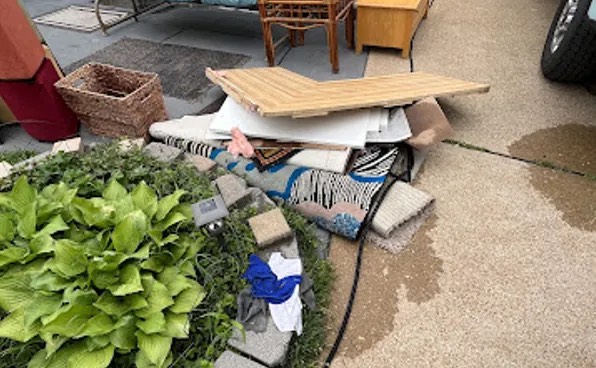
Floodwater Removal for Fife Homes and Businesses
In Fife, removing floodwater is the first step after any flood. It stops the water from spreading, protects belongings and lowers the chance of mold inside walls and under floors.
In ZIP codes 98424 and 98443 covering Fife, timely floodwater removal minimizes disruption after a flood. Local flood damage pros in Fife pump out flooded basements and dry them afterward. Their expertise is also available to residents in nearby areas like Milton, Tacoma and Edgewood for comprehensive water damage recovery.
The Floodwater Removal Process for Fife
Flooded Room Drying Services
Restoration pros implement a detailed drying plan using commercial-grade equipment to manage humidity and airflow. This service stabilizes the environment and safeguards the structure from long-term moisture issues.
Emergency Flood Damage Mitigation
When flooding occurs, emergency mitigation services provide an urgent response. The focus is on extracting water, removing salvageable contents to a dry area, and setting up initial drying systems.
Flood Damaged Drywall Removal
Flood-soaked drywall acts as a reservoir for moisture and microbes. The standard procedure involves removing the compromised panels to access the framing and insulation behind them.
Flooded Carpet Water Removal
Floodwater removal involves thorough extraction using weighted wands and specialized tools to pull water from deep within the pad and fibers, a key step before professional drying and potential salvage.
Sewage Flood Cleanup
Sewage floods in Fife demand a cautious response. The removal of the contaminated water is just the first step.
Signs You Need Professional Floodwater Removal
Mold or Mildew
Mold or mildew after a flood means materials stayed wet too long and need cleanup and drying.
Bowed or Buckling Flooring
Sagging or soft walls and floors after a flood mean the structure is soaked and needs drying soon.
Swollen or Warped Baseboards
Swollen baseboards show the walls soaked up water and need to be checked.
Visible Water Lines on Walls
Visible water lines on drywall indicate significant water intrusion. The wet section of drywall usually has to be cut out.
How Floodwater Removal Works in Fife
Step 1: Initial Inspection and Safety Check
An inspection finds hazards and where the water came from, then the removal is planned.
Step 2: Flooded Basement Water Extraction
Pumps remove deep standing water from basements so the drying can begin sooner.
Step 3: Advanced Drying With Airflow Management
Creating directed airflow with professional-grade air movers accelerates evaporation. Dehumidifiers then capture this moisture from the air.
Step 4: Sanitization and Odor Control
After drying, wet areas are cleaned and air scrubbers may run to remove dust and odors.
Leading Causes of Floodwater Intrusion in Fife
Appliance Malfunctions
Failed washing machine hoses, water heaters, or dishwasher lines can flood a room.
Roof Leaks During Downpours
A damaged roof can let water pour into an attic or upper floors, so water must be removed from several levels.
Sewer System Backup
Municipal sewer backups or overwhelmed septic systems can push contaminated water into a home through floor drains and toilets.
Sump Pump Failure
A sump pump that fails in heavy rain leaves the basement open to flooding.
Floodwater Removal for Homes and Businesses in Fife
Residential Floodwater Removal
In homes, hidden water in walls and under flooring is the main worry after a flood. Thermal cameras and meters find it, and the rooms are dried until readings are normal.
Commercial Floodwater Removal
Restaurants, schools, and medical facilities have strict hygiene standards. Cleanup includes disinfecting and drying so the space can pass health inspection.
Professional Floodwater Removal or DIY in Fife
For minor seepage, you can use towels to soak up water along baseboards. Check for obvious leaks at appliance connections and shut off the water supply if you find one. Hidden water in drywall or subfloors takes professional meters to find and equipment to dry.
Floodwater Removal Cost Considerations in Fife
How much pumping is needed and how much hidden moisture is in walls and floors will shape your final cost.
Required Drying Equipment
The number of air movers, dehumidifiers and air scrubbers needed affects the cost.
Additional Restoration Services
Follow-up work like antimicrobial treatment or cleaning contents adds to the total.
Extent of Standing Water
How much water there is and how many areas are wet decide how long pumping and extraction take.
Does Insurance Cover Floodwater Removal?
For sewage flood cleanup, coverage depends on where the backup started, and sewer backup often needs its own endorsement. Outside flooding is usually excluded from homeowners policies and typically covered by separate flood insurance.
Advantages of Hiring Local Pros in Fife for Floodwater Removal
Material Removal and Disposal
Wet carpet and drywall that cannot be saved are removed and hauled away.
Industrial-Grade Drying Equipment
Air movers and dehumidifiers are set up to dry the home steadily after the flood.
IICRC-Standard Water Extraction
Water is removed and dried following industry standards, which helps prevent mold and further damage.
24/7 Emergency Floodwater Removal in Fife
Time matters after a flood, because water keeps soaking into floors and walls every hour. To stop the damage from spreading, call (425) 386-5713 for cleanup, extraction and wet carpet removal.
Call Now (425) 386-5713Floodwater Removal in Fife and Surrounding Areas
When floodwater gets into a home in Fife, the pros remove it and dry the house, and they also work in nearby Milton, Tacoma and Edgewood.
- Floodwater Removal in Milton
- Floodwater Removal in Tacoma
- Floodwater Removal in Edgewood
- Floodwater Removal in Midland
- Floodwater Removal in Puyallup
- Floodwater Removal in Parkland
- Floodwater Removal in Pacific
- Floodwater Removal in Fircrest
- Emergency Damage Restoration in 98424
- Storm Damage Restoration in 98424
- Water Damage Restoration in 98424
- Water Extraction Service in 98424
- Water Leak Detection in 98424
- Water Removal Service in 98424
- Emergency Damage Restoration in 98443
- Storm Damage Restoration in 98443
FAQ: Floodwater Removal in Fife
How long does flooded room drying take?
It depends on the materials, humidity and amount of water. Most jobs take several days of drying.
What happens after the floodwater is pumped out?
Drying takes over: equipment is set up, readings are taken each day and any repairs are planned for after the property is dry.
Is storm flood water pumping a typical part of floodwater removal?
Yes. Submersible pumps remove large amounts of standing water after storms, which is the first step in cleanup.
Why is professional floodwater extraction needed?
Professional extractors and dehumidifiers remove water faster and more completely than DIY tools, which limits swelling and rot.
Why is post flood drying important?
Drying with air movers and dehumidifiers removes hidden moisture that would otherwise cause rot, mold and long-term damage.