Graham, WA · Pierce County
HVAC Leak Water Removal in Graham, WAWet Insulation Removal Near HVAC & Emergency HVAC Leak Cleanup
HVAC Leak Water Removal in Graham handles coil leak water damage repair, HVAC drain line flood cleanup and moisture remediation for HVAC systems.
Answered 24/7
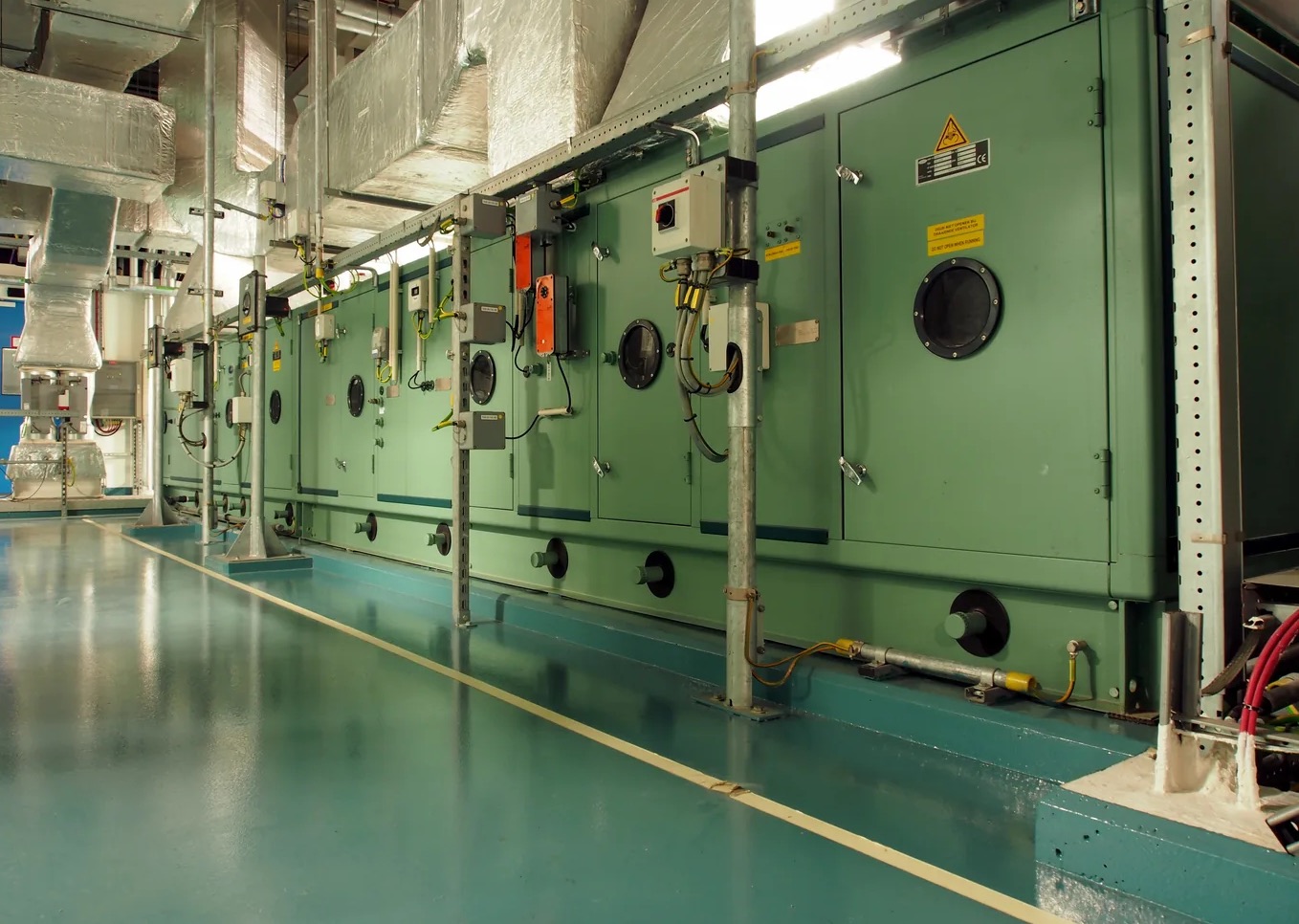
Professional HVAC Leak Water Removal in Graham, WA
An HVAC leak that is still running in Graham has to be stopped first. A coil or drain line can put out gallons of water, and it lands on ceilings, floors and belongings.
When an HVAC leak occurs in Graham, water needs to come out quickly to protect interior finishes and electrical systems. Local water removal pros serve this community and nearby areas like Orting, Spanaway and Prairie Ridge, extracting water around the unit and drying wet ductwork before damage spreads.
HVAC Leak Water Removal Services in Graham
Wet Insulation Removal Near HVAC
Fiberglass insulation soaked by an HVAC leak becomes heavy and ineffective. Experts carefully remove this material to access hidden moisture.
Emergency HVAC Leak Cleanup
An AC leak soaking drywall or flooring triggers emergency cleanup protocols. The pros extract water and begin structural drying.
HVAC Drain Line Flood Cleanup
A completely blocked primary condensate drain line can overflow the secondary pan. Cleanup requires extracting the spilled water and clearing the line.
Ductwork Condensation Water Removal
Humid air hitting cold metal ductwork makes it sweat and drip. Cleanup means drying the ducts and the drywall, insulation and flooring under them.
Coil Leak Water Damage Repair
Coil leak water damaging drywall or cabinetry needs repairs after drying. The pros coordinate drying to prepare for reconstruction.
Warning Signs You Need HVAC Leak Water Removal
AC Drain Line Overflowing
Water spilling from the condensate drain line or its overflow port means the drain is blocked and needs attention now.
Visible Rust on Metal Components
Rust forming on the evaporator coil cabinet, drain pan, or supports indicates prolonged moisture exposure.
Musty Odors Near Air Vents
A musty smell when the system runs can point to wet insulation or mold inside the unit or ducts.
Wet or Sagging Insulation Nearby
Damp insulation around an attic unit or in nearby walls holds water against the drywall and framing.
How HVAC Leak Water Removal Works in Graham
Step 1: Water Removal Initiation
The pros use pumps and wet vacuums to remove the bulk water from a flooded drain line area.
Step 2: Detailed Moisture Detection
Meters and thermal cameras check concealed spaces so no wet spot behind a wall or above a ceiling is missed.
Step 3: Controlled Drying Environment
Professionals create a controlled environment with dehumidifiers and air movers to dry wet ductwork, insulation and building materials.
Step 4: Final Clearance and Prevention Advice
A final check confirms everything is dry, and you get tips on keeping the condensate drain clear.
Frequent Sources of HVAC Leak Water Damage in Graham
Worn Gaskets or Seal Failures
Worn seals around access panels or coil sections let water escape the cabinet instead of reaching the pan.
Excessive Ductwork Condensation
Poorly insulated ducts in humid spaces sweat and drip water into walls, ceilings and insulation.
Failed Condensate Pump
A condensate pump that fails in an attic or utility room cannot move water to the drain, so the reservoir overflows.
High Static Pressure in Ducts
An oversized system or closed vents can upset airflow and drainage, so condensate does not drain as it should.
HVAC Leak Water Removal for Homes & Businesses in Graham
Residential HVAC Leak Water Removal
In homes, an AC condensate leak can rot subfloor and baseboards if it is left. The pros dry the tight spaces around the unit and record the damage for insurance.
Commercial HVAC Leak Water Removal
A flooded HVAC unit in a commercial building needs a coordinated response. The pros manage large-volume extraction, coordinate with facility managers, and implement drying protocols.
DIY vs. Professional HVAC Leak Water Removal in Graham
If a condensate pump is involved, check that it is plugged in and listen for operation. Ensure the discharge tube is not kinked. Do not disassemble the pump. For a leaking AC unit repair involving the coil or refrigerant, specialized training is required.
Understanding HVAC Leak Water Removal Costs in Graham
Pricing for HVAC leak water removal depends on how much ductwork and building material got wet. Water inside wall cavities adds time and equipment.
Emergency Service Timing
HVAC leak cleanup started at night, on weekends or on holidays may be billed at a different rate.
Extent of Water Spread
Water from a leaking AC can travel along ducts and inside walls, which makes the drying area larger.
Affected Components and Materials
Wet insulation, damaged ductwork or wiring near the flooded unit each add work to the job.
Does Insurance Cover HVAC Leak Water Removal?
Policies often cover damage from a sudden leak but not wear and tear or a drain that was never cleaned. Photos and drying records help your adjuster review the claim.
Benefits of Local Water Damage Pros for HVAC Leak Water Removal in Graham
24/7 Emergency Response
Getting to a leaking AC early limits how far water spreads and how much it rusts parts in the unit.
Component-Safe Water Removal
Work around the unit is done carefully so coils, wiring and control boards are not damaged further.
Focused on System Integrity
The goal is a dry unit area and dry materials around it, so the system can run safely again.
Emergency HVAC Leak Water Removal Services in Graham
Time is critical when dealing with wet ductwork from a coil leak. To initiate emergency HVAC water extraction and drying, call the pros at (425) 386-5713.
Call Now (425) 386-5713HVAC Leak Water Removal Coverage for Graham, Orting, Spanaway and Prairie Ridge
Help with HVAC leak water removal is available in Graham and nearby Orting, Spanaway and Prairie Ridge, for water from AC units, drain lines and ducts.
- HVAC Leak Water Removal in Orting
- HVAC Leak Water Removal in Spanaway
- HVAC Leak Water Removal in Prairie Ridge
- HVAC Leak Water Removal in Puyallup
- HVAC Leak Water Removal in Parkland
- HVAC Leak Water Removal in Sumner
- HVAC Leak Water Removal in Bonney Lake
- HVAC Leak Water Removal in Fife
- Emergency Damage Restoration in 98338
- Storm Damage Restoration in 98338
- Water Damage Restoration in 98338
- Water Extraction Service in 98338
- Water Leak Detection in 98338
- Water Removal Service in 98338
Frequently Asked Questions About HVAC Leak Water Removal
What's the difference between water extraction and drying?
Extraction removes the liquid water. Drying uses dehumidifiers and air movers to pull out the moisture left in insulation, drywall and wood.
Can wet insulation near HVAC be saved?
Often, yes. Wet insulation loses its value and is hard to dry in tight spaces, so it is usually removed and replaced once the area is dry.
What are signs of a leaking AC unit indoors?
Water around the indoor unit, stains on nearby walls or ceilings, a musty smell, or the system shutting off because its float switch tripped.
Is emergency HVAC leak cleanup necessary?
It is when water is spreading. Removing it early keeps it from reaching walls, ceilings and the rooms nearby, which keeps the damage smaller.
After HVAC system water cleanup, what repairs are needed?
Beyond drying, repairs might include unclogging or replacing a drain line, replacing wet insulation, and servicing the HVAC unit.