Graham, WA · Pierce County
Floodwater Removal in Graham, WAFlooded Carpet Water Removal & Sewage Flood Cleanup
For Floodwater Removal in Graham, local pros handle flooded room drying services, sewage flood cleanup and storm flood water pumping.
Answered 24/7
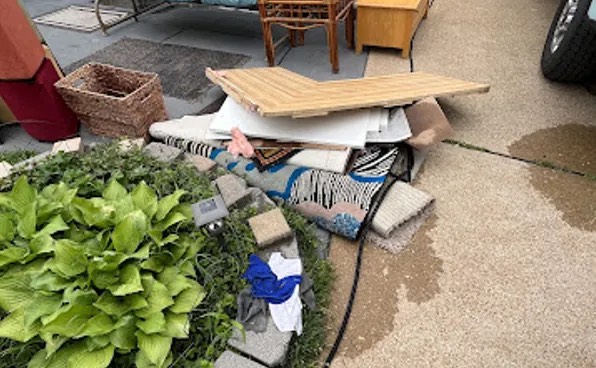
Floodwater Removal Response for Graham Properties
In Graham, the goal of floodwater removal is a safe, dry home again. Moisture left after a flood can damage the structure, hurt indoor air and draw pests.
In Graham, local floodwater removal pros remove contaminated floodwater and dry the home, and they also work in nearby communities such as Orting, Spanaway and Prairie Ridge, at any hour.
Detailed Floodwater Removal Offerings in Graham
Flooded Carpet Water Removal
Flood-soaked carpets in Graham homes need professional water extraction. Pros use truck-mounted systems to forcefully extract water.
Sewage Flood Cleanup
Black water flooding requires specialized expertise. After the initial extraction of the contaminated fluid, the focus shifts to detailed cleaning and sanitization of all surfaces.
Storm Flood Water Pumping
Post-storm flooding often requires large-scale water removal. Professionals deploy powerful pumping equipment to evacuate standing water from affected zones.
Flooded Basement Water Extraction
When a basement floods, fast action is needed. The floodwater removal process starts with industrial-grade extraction equipment to remove hundreds of gallons of water.
Contaminated Floodwater Removal
Contaminated floodwater leaves behind pollutants on surfaces. The cleanup service includes agitating and removing silt, mud, and other debris from floors and walls.
Indicators That Require Floodwater Removal in Graham
High Indoor Humidity Levels
Indoor humidity that stays high after a flood means drying is not finished.
Foundation Cracks Seeping Water
Water seeping through foundation cracks needs pumping out, and the crack should be checked once the area is dry.
Swollen or Warped Baseboards
Swollen baseboards show the walls soaked up water and need to be checked.
Visible Water Lines on Walls
Visible water lines on drywall indicate significant water intrusion. The wet section of drywall usually has to be cut out.
How Floodwater Removal Works in Graham
Step 1: Initial Floodwater Extraction
Local floodwater removal pros perform an urgent water extraction service to eliminate the source of damage.
Step 2: Hazardous Material Cleanup
If the water is contaminated, safety steps and protective gear are used during removal.
Step 3: Comprehensive Post-Flood Drying
Dehumidifiers and air scrubbers dry the space and clean the air after extraction.
Step 4: Damage Documentation for Claims
The wet areas are recorded for your insurance claim. Check what your insurer needs.
What Causes Floodwater Damage in Graham
Foundation Cracks and Leaks
Cracks in a foundation let groundwater seep in during long, soaking rains.
Sewer System Backup
Municipal sewer backups or overwhelmed septic systems can push contaminated water into a home through floor drains and toilets.
Sump Pump Failure
A sump pump that fails in heavy rain leaves the basement open to flooding.
Landscaping and Grading Issues
Yard grading that slopes toward the building sends storm water at the walls instead of away.
Both Residential and Commercial Floodwater Removal in Graham
Residential Floodwater Removal
Home flood cleanup focuses on salvaging personal belongings and preventing secondary damage like mold. The pros pull water from carpet and dry the walls and subfloors after the flood.
Commercial Floodwater Removal
In offices, stores and warehouses, floodwater removal has to protect stock and meet safety rules. Large extraction equipment removes the water and drying covers both the building and its contents.
Professional Floodwater Removal or DIY in Graham
For minor seepage, you can use towels to soak up water along baseboards. Check for obvious leaks at appliance connections and shut off the water supply if you find one. Hidden water in drywall or subfloors takes professional meters to find and equipment to dry.
Estimating Floodwater Removal Expenses in Graham
How much pumping is needed and how much hidden moisture is in walls and floors will shape your final cost.
Duration of Drying Process
Drying can take several days, and longer drying means more equipment days and visits.
Additional Restoration Services
Follow-up work like antimicrobial treatment or cleaning contents adds to the total.
Affected Materials and Demolition
Porous materials like drywall and insulation often have to be removed, which adds cost.
Does Insurance Cover Floodwater Removal?
Emergency mitigation after a sudden internal leak is often a covered expense, but outside flooding is usually excluded from standard homeowners policies and typically needs NFIP or private flood insurance. Always confirm coverage directly with your insurer.
Why Choose Local Pros in Graham for Floodwater Removal
Industrial-Grade Drying Equipment
Air movers and dehumidifiers are set up to dry the home steadily after the flood.
IICRC-Standard Water Extraction
Water is removed and dried following industry standards, which helps prevent mold and further damage.
24/7 Emergency Response
The pros can be reached around the clock to start removing water.
24/7 Emergency Floodwater Removal in Graham
A flooded basement or room needs prompt action. For 24/7 floodwater removal and post flood drying services in Graham, a census-designated place in Pierce County, call the pros at (425) 386-5713.
Call Now (425) 386-5713Floodwater Removal in Graham and Surrounding Areas
In Pierce County, homes in Graham and nearby Orting, Spanaway and Prairie Ridge can get help with floodwater extraction and emergency flood cleanup.
- Floodwater Removal in Orting
- Floodwater Removal in Spanaway
- Floodwater Removal in Prairie Ridge
- Floodwater Removal in Puyallup
- Floodwater Removal in Parkland
- Floodwater Removal in Sumner
- Floodwater Removal in Bonney Lake
- Floodwater Removal in Fife
- Emergency Damage Restoration in 98338
- Storm Damage Restoration in 98338
- Water Damage Restoration in 98338
- Water Extraction Service in 98338
- Water Leak Detection in 98338
- Water Removal Service in 98338
Your Floodwater Removal Questions Answered
How quickly should floodwater extraction begin?
As soon as possible. Starting early limits damage and mold and saves more of the property.
Is storm flood water pumping a typical part of floodwater removal?
Yes. Submersible pumps remove large amounts of standing water after storms, which is the first step in cleanup.
What is involved in floodwater removal?
Pumping out standing water, extracting water from carpets, setting up drying equipment and checking humidity until the structure is dry.
What happens after the floodwater is pumped out?
Drying takes over: equipment is set up, readings are taken each day and any repairs are planned for after the property is dry.
What equipment is used for water extraction service?
Submersible pumps for deep water, truck-mounted or portable extractors for carpet, and air movers and dehumidifiers for drying.