Orting, WA · Pierce County
Floodwater Removal in Orting, WAFlooded Basement Water Extraction & Storm Flood Water Pumping
For Floodwater Removal in Orting, local pros handle flooded room drying services, sewage flood cleanup and storm flood water pumping.
Answered 24/7
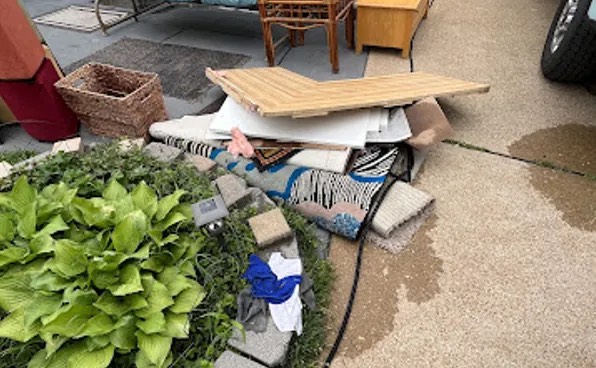
Floodwater Removal for Orting Homes and Businesses
In Orting, waiting to remove floodwater lets it soak into insulation and subfloors, which raises repair costs and the risk of mold.
In Orting, local flood damage pros remove contaminated floodwater and dry the home, and they also work in nearby communities such as Prairie Ridge, Graham and Bonney Lake, at any hour.
Floodwater Removal Methods Used in Orting
Flooded Basement Water Extraction
Standing water in a basement can compromise its structural integrity. The initial floodwater removal phase focuses on pumping and extraction to eliminate the water source.
Storm Flood Water Pumping
Flood damage pros use industrial pumps to clear outdoor and indoor areas, a vital step before detailed water extraction and drying inside the structure can begin effectively.
Contaminated Floodwater Removal
Flooding in Orting can introduce outside contaminants into a home. The contaminant cleanup service focuses on removing mud, silt, and other pollutants from floors and baseboards.
Flooded Carpet Water Removal
Flood-soaked carpets in Orting homes need professional water extraction. Pros use truck-mounted systems to forcefully extract water.
Flood Damaged Drywall Removal
Drywall is highly porous and often unsalvageable after flood contact. The pros carefully cut and remove saturated drywall sections to expose wall cavities for drying and inspection.
Warning Signs You Need Floodwater Removal in Orting
Gurgling Sounds in Drains
Gurgling drains can signal a sewer line problem that may cause backup. Contaminated floodwater needs protective gear and disinfection.
Mold or Mildew
Mold or mildew after a flood means materials stayed wet too long and need cleanup and drying.
Musty Odors After a Storm
A musty smell after a flood usually means water is still hiding in walls or under floors.
High Indoor Humidity Levels
Indoor humidity that stays high after a flood means drying is not finished.
How Floodwater Removal Works in Orting
Step 1: Floodwater Pumping
The process begins with high-capacity pumps for storm flood water pumping, removing the bulk of standing water from basements, garages or ground floors.
Step 2: Contaminated Floodwater Removal Protocol
If water is contaminated, the pros follow safety protocols for removal and disposal. Affected areas are then cleaned and disinfected.
Step 3: Structural Drying of Flooded Rooms
Drying equipment is set up to reach water trapped in drywall, insulation and wall cavities.
Step 4: Damage Assessment for Restoration
Once dry, an assessment shows which materials, like drywall or flooring, need repair or replacement.
Common Causes of Floodwater Damage in Orting
Burst or Leaking Pipes
A burst water pipe can release hundreds of gallons quickly, causing extensive flood damage.
Roof Leaks During Downpours
A damaged roof can let water pour into an attic or upper floors, so water must be removed from several levels.
Clogged or Faulty Gutters
Clogged gutters let water pool next to the foundation, where it seeps into basements.
Severe Weather and Storms
Heavy rain can overwhelm drains and cause flash flooding that leaves standing water in homes and businesses.
Residential & Commercial Floodwater Removal in Orting
Residential Floodwater Removal
Residential floodwater extraction often involves confined spaces like basements and crawlspaces. Pros use subfloor drying systems and remove soaked carpet to dry the structure.
Commercial Floodwater Removal
Commercial properties with flat roofs or large footprints are susceptible to pooling water. Local pros check roof drains and use high-capacity pumps to clear flooded areas.
Professional Floodwater Removal or DIY in Orting
If you think sewage is involved, stay out of the water and do not run any water in the home. Keep people and pets out of the area. Sewage cleanup needs protective gear and disinfectants.
Understanding Floodwater Removal Cost in Orting
In Pierce County, cost depends on labor hours for pumping, the size of the flooded area and how much drying equipment the job needs.
Duration of Drying Process
Drying can take several days, and longer drying means more equipment days and visits.
Water Category and Contamination
Gray or black water from sewage needs more protective steps and disinfection than clean water.
Emergency Service Timing
A night or weekend call may carry after-hours labor rates for the first extraction.
Does Insurance Cover Floodwater Removal?
Standard homeowners policies usually exclude flood, which separate flood insurance typically covers. The pros document the damage and the materials removed, but you must confirm coverage limits and deductibles with your own insurer.
Why Choose Local Pros in Orting for Floodwater Removal
Material Removal and Disposal
Wet carpet and drywall that cannot be saved are removed and hauled away.
Industrial-Grade Drying Equipment
Air movers and dehumidifiers are set up to dry the home steadily after the flood.
Advanced Moisture Detection
Moisture meters and thermal cameras find hidden dampness in walls and subfloors.
Always Available Emergency Floodwater Removal in Orting
Time matters after a flood, because water keeps soaking into floors and walls every hour. To stop the damage from spreading, call (425) 386-5713 for cleanup, extraction and wet carpet removal.
Call Now (425) 386-5713Local Floodwater Removal Coverage for Orting
Flood cleanup needs to start early to prevent mold. Floodwater and wet carpet removal are available in Orting and nearby Prairie Ridge, Graham and Bonney Lake.
- Floodwater Removal in Prairie Ridge
- Floodwater Removal in Graham
- Floodwater Removal in Bonney Lake
- Floodwater Removal in Puyallup
- Floodwater Removal in Sumner
- Floodwater Removal in Buckley
- Floodwater Removal in Spanaway
- Floodwater Removal in Edgewood
- Emergency Damage Restoration in 98360
- Storm Damage Restoration in 98360
- Water Damage Restoration in 98360
- Water Extraction Service in 98360
- Water Leak Detection in 98360
- Water Removal Service in 98360
- Emergency Damage Restoration in 98430
- Storm Damage Restoration in 98430
Your Floodwater Removal Questions Answered
What should I do before floodwater removal starts?
If it is safe, turn off power to the area, move small valuables and stay out of contaminated water. Do not use wet electronics.
Is storm flood water pumping a typical part of floodwater removal?
Yes. Submersible pumps remove large amounts of standing water after storms, which is the first step in cleanup.
What steps are taken for water trapped beneath flooring?
Extraction tools draw water from subfloors, though sometimes the flooring has to come up so the subfloor can dry.
How does sewage flood cleanup differ?
Sewage cleanup needs protective gear, antimicrobial treatment and usually more removal of contaminated materials than clean water does.
What happens after the floodwater is pumped out?
Drying takes over: equipment is set up, readings are taken each day and any repairs are planned for after the property is dry.