Monroe, WA · Snohomish County
Industrial Dehumidification in Monroe, WAStructural Drying Services & Commercial Water Damage Cleanup
Industrial Dehumidification in Monroe includes mold remediation services, structural drying services, and disaster recovery drying.
Answered 24/7
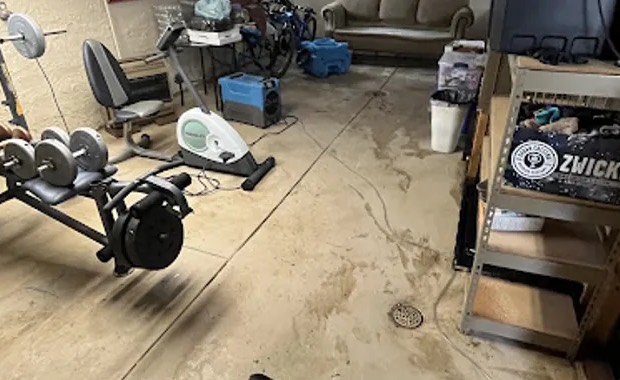
Local Industrial Dehumidification for Monroe Businesses
In Monroe, flooding in industrial buildings comes from broken supply lines, failed equipment or storms. Acting quickly limits lost work time and further damage.
When flooding hits an industrial building in Monroe, drying needs to start quickly. Local industrial dehumidification pros also work in nearby Snohomish, Sultan and Duvall and keep records of the water removal and drying.
Industrial Dehumidification Solutions for Monroe
Structural Drying Services
Drying the structure after a leak means getting studs, joists and slabs dry, not just the air in the room.
Commercial Water Damage Cleanup
Specialized drying equipment is needed for retail or office water damage. The pros deploy industrial-grade dehumidifiers to extract moisture from air and materials in Monroe.
Industrial Flood Damage Restoration
After a significant flood, industrial spaces need professional drying. Water damage restoration pros in Monroe set up systems to dry the building structure and contents, checking readings daily.
Mold Remediation Services
Mold in a commercial building indicates a deeper moisture issue. The pros use industrial dehumidifiers to create a dry environment that inhibits mold.
Warehouse Moisture Control
High warehouse humidity leads to condensation and product damage. The pros deploy industrial dehumidifiers to pull excess moisture from the air.
Signs of Moisture Requiring Industrial Dehumidification in Monroe
Damp Insulation or Drywall
Wet materials behind walls or above ceilings stay wet for weeks without forced drying and can rot.
Equipment Rust or Corrosion
New rust on machinery or metal stock can come from damp air in the building.
Musty Odors and Smells
A persistent earthy smell often points to hidden moisture in walls, ceilings or stored goods.
Visible Mold
Black, green or white spots on walls or contents mean humidity has been high for too long.
How Industrial Dehumidification Works in Monroe
Step 1: Site Assessment and Inspection
An inspection finds the water sources, the wet materials and how much cleanup is needed.
Step 2: Containment and Water Removal
Containment is set up if needed, then industrial extractors remove the bulk water.
Step 3: Deploy Drying Equipment
Desiccant and refrigerant dehumidifiers and air movers are placed to dry the building.
Step 4: Continuous Monitoring and Adjustment
Equipment runs around the clock, and humidity is checked so the setup can be adjusted as areas dry.
Causes of Excess Moisture Requiring Industrial Dehumidification in Monroe
Process Water or Chemical Spills
Industrial processes that use liquids carry a constant risk of accidental spills and releases.
Groundwater Intrusion and Saturation
Poor drainage around the building can let water seep up through the floor.
HVAC System Condensation Issues
Cooling systems that are poorly maintained or oversized can produce a lot of condensation and raise humidity.
Appliance Malfunctions and Overflows
Water heater failures or broken process lines can flood large areas suddenly.
Professional Industrial Dehumidification for Any Property in Monroe
Residential Industrial Dehumidification
In homes, water from a burst pipe spreads inside walls and under floors. The pros find the wet areas with meters and dry them to save the structure and finishes.
Commercial Industrial Dehumidification
Manufacturing plants and warehouses need large-scale drying after a major water incident. Drying brings the space back to the humidity levels production requires.
Industrial Dehumidification vs. DIY: When to Call the Pros
Throwing out ruined cardboard or soaked insulation is something a property manager can do. Building materials that may have mold should be removed by pros using containment.
Factors Affecting Industrial Dehumidification Cost in Monroe
Commercial cleanup costs for a facility in Washington depend on how much water must be extracted and how long structural drying takes.
Water Contamination Level
Clean, gray and black water need different safety steps and cleanup methods.
Mold Remediation Needs
If mold is found, containment, removal and air scrubbing are added to the job.
Structural Material Type
Concrete, wood and steel dry differently, which changes the approach and the time.
Does Insurance Cover Industrial Dehumidification?
The pros provide detailed documentation of the damage, including moisture maps and photographic evidence, to support the property owner's claim submission for review.
Benefits of Local Pros for Industrial Dehumidification in Monroe, WA
Containment Protocols
Where mold is found, barriers keep it from spreading to other parts of the building.
Industrial-Grade Equipment
High-capacity dehumidifiers and air movers are sized for warehouses and other large spaces.
Comprehensive Water Removal
The work starts with removing standing water and water soaked into materials.
24/7 Emergency Drying for Monroe Properties
Standing water left in a building can lead to mold within a day or two. Call (425) 386-5713 to reach the pros for commercial water cleanup and humidity control, any hour.
Call Now (425) 386-5713Local Industrial Dehumidification Areas: Monroe and Beyond
Help with industrial dehumidification is available for businesses in Monroe and nearby Snohomish, Sultan and Duvall dealing with water damage or high humidity.
- Industrial Dehumidification in Snohomish
- Industrial Dehumidification in Sultan
- Industrial Dehumidification in Duvall
- Industrial Dehumidification in Silver Firs
- Industrial Dehumidification in Eastmont
- Industrial Dehumidification in Woodinville
- Industrial Dehumidification in Mill Creek
- Industrial Dehumidification in Lake Stevens
- Emergency Damage Restoration in 98272
- Storm Damage Restoration in 98272
- Water Damage Restoration in 98272
- Water Extraction Service in 98272
- Water Leak Detection in 98272
- Water Removal Service in 98272
Industrial Drying FAQ for Monroe Clients
What tools do industrial dehumidification pros use for moisture control?
Local pros use an array of tools including penetrating and non-penetrating moisture meters, thermal imaging cameras, industrial-grade dehumidifiers, and high-volume air movers.
What is industrial dehumidification?
It is removing excess moisture from the air and materials in commercial or industrial buildings after water damage, using large dehumidifiers.
What happens during the property restoration process?
Property restoration involves drying structural materials, cleaning affected surfaces and contents, and sometimes repairing or replacing damaged components after water intrusion.
What is the first step in emergency water removal?
The initial critical step is extracting all standing water using truck-mounted or portable pumps and extractors.
What areas need drying after a warehouse flood?
All wet areas: floors, walls, stored contents and often the subfloor and insulation as well.