Tacoma, WA · Pierce County
Industrial Dehumidification in Tacoma, WAIndustrial Humidity Reduction Systems & Warehouse Moisture Control
Industrial Dehumidification in Tacoma includes mold remediation services, structural drying services, and disaster recovery drying.
Answered 24/7
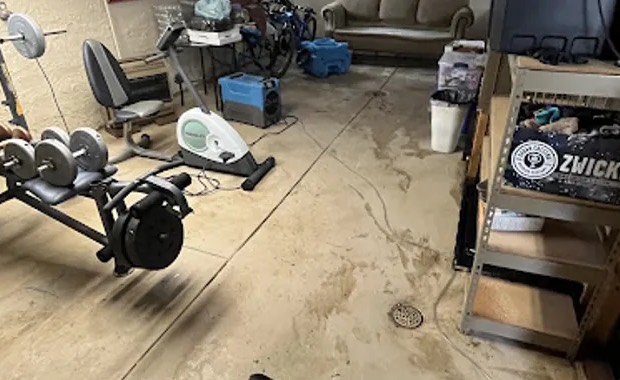
Expert Industrial Dehumidification in Tacoma, WA
In Tacoma, water trapped in the walls, floors and ceilings of commercial buildings causes mold, rot and decay if it is not dried properly.
Industrial dehumidification needs in Tacoma and surrounding communities like Fife, Fircrest and University Place are handled by experienced water damage restoration pros. They manage everything from humidity control systems to flood cleanup on large sites. Help is available 24/7 whenever moisture problems come up.
Industrial Drying Services in Tacoma
Industrial Humidity Reduction Systems
Some buildings stay humid long after a leak. Dehumidifiers can be left running to hold humidity at a set level until the building is stable.
Warehouse Moisture Control
Controlling ambient humidity is crucial in warehouse storage. Industrial dehumidification pros install and monitor systems to maintain optimal moisture levels.
Industrial Flood Damage Restoration
Restoring a flooded plant requires drying the entire environment. Pros reach moisture in high ceilings, equipment pits and storage areas.
Disaster Recovery Drying
Disaster scenarios create complex drying challenges. The pros design a recovery plan centered on industrial dehumidification. The process involves drying contents and structure in tandem.
Emergency Water Removal
Emergency water removal in Tacoma pulls floodwater out of the building so the industrial drying can start.
Indicators for Industrial Dehumidification Services in Tacoma
Equipment Rust or Corrosion
New rust on machinery or metal stock can come from damp air in the building.
Visible Mold
Black, green or white spots on walls or contents mean humidity has been high for too long.
Stained Ceilings or Walls
Yellow or brown water stains show where past leaks happened and where moisture may still be.
Soggy Inventory or Stock
Wet cardboard, damaged goods or damp raw materials mean humidity in the building is not under control.
How Industrial Dehumidification Works in Tacoma
Step 1: Site Assessment and Inspection
An inspection finds the water sources, the wet materials and how much cleanup is needed.
Step 2: Containment and Water Removal
Containment is set up if needed, then industrial extractors remove the bulk water.
Step 3: Deploy Drying Equipment
Desiccant and refrigerant dehumidifiers and air movers are placed to dry the building.
Step 4: Continuous Monitoring and Adjustment
Equipment runs around the clock, and humidity is checked so the setup can be adjusted as areas dry.
Common Causes for Industrial Dehumidification in Tacoma
Groundwater Intrusion and Saturation
Poor drainage around the building can let water seep up through the floor.
Foundation Cracks and Seepage
Groundwater pushed up through cracks in slabs and walls keeps lower areas damp.
Burst Pipes or Plumbing Leaks
Failed supply lines, faulty fittings, or cracked pipes can release thousands of gallons.
Natural Disasters and Severe Weather
Flash floods, torrential rain and other extreme events can soak large buildings and need large-scale drying.
Industrial Dehumidification for Residential and Commercial Clients in Tacoma
Residential Industrial Dehumidification
In homes, a slow roof leak can soak attic insulation and lead to mold. The pros in Tacoma dry the attic once the roof is repaired and clean up the wet areas.
Commercial Industrial Dehumidification
Data centers, labs and archives need steady humidity. After water damage, temporary dehumidification protects equipment and records until conditions are stable.
Industrial Dehumidification vs. DIY: When to Call the Pros
A property owner can document the first damage with photos and written notes for the insurance provider before cleanup begins. Large-scale extraction and structural drying, though, take industrial pumps, dehumidifiers and trained pros.
Industrial Dehumidification Cost in Tacoma, WA
The pros price the job based on how wet the building is, what materials got wet and how hard the space is to work in.
Access Complexity
Hard-to-reach areas in a warehouse or plant take longer to set up equipment in.
Emergency Service Timing
After-hours or 24/7 calls may be billed at a different rate than a scheduled visit.
Mold Remediation Needs
If mold is found, containment, removal and air scrubbing are added to the job.
Does Insurance Cover Industrial Dehumidification?
The pros provide detailed documentation of the damage, including moisture maps and photographic evidence, to support the property owner's claim submission for review.
Why Tacoma Properties Need Local Pros for Industrial Dehumidification
Detailed Moisture Documentation
Meters and sensors track humidity and moisture, so you can see drying progress day by day.
Comprehensive Water Removal
The work starts with removing standing water and water soaked into materials.
24/7 Emergency Response
Fast water extraction limits how far damage spreads in a large building.
Emergency Flood Response in Tacoma
Major humidity issues or active flooding demand early professional help to protect building materials and contents. Dial (425) 386-5713 for 24/7 help with large-scale drying and moisture control from the pros.
Call Now (425) 386-5713Areas Served for Industrial Dehumidification Near Tacoma
Structural drying is available for commercial properties in Tacoma and the broader area, with response available for locations like Fife, Fircrest and University Place.
- Industrial Dehumidification in Fife
- Industrial Dehumidification in Fircrest
- Industrial Dehumidification in University Place
- Industrial Dehumidification in Midland
- Industrial Dehumidification in Milton
- Industrial Dehumidification in Parkland
- Industrial Dehumidification in Lakewood
- Industrial Dehumidification in Edgewood
- Emergency Damage Restoration in 98401
- Storm Damage Restoration in 98401
- Water Damage Restoration in 98401
- Water Extraction Service in 98401
- Water Leak Detection in 98401
- Water Removal Service in 98401
- Emergency Damage Restoration in 98402
- Storm Damage Restoration in 98402
Industrial Drying FAQ for Tacoma Clients
What is the first step in emergency water removal?
The initial critical step is extracting all standing water using truck-mounted or portable pumps and extractors.
What is the goal of disaster recovery drying?
It is drying a building after a large water loss so the business can return to normal use as soon as possible.
What are humidity reduction systems?
Dehumidifiers that stay in place to hold humidity at a set level in sensitive spaces like data centers, archives or plants after water damage.
Can humidity control prevent future mold problems?
Keeping warehouse humidity low with dehumidifiers protects stored goods and the building from moisture damage.
Why is water extraction so important?
Removing water quickly keeps it from soaking deeper, shortens drying and lowers the risk of mold and warping.