Lakewood, WA · Pierce County
Industrial Dehumidification in Lakewood, WAIndustrial Humidity Reduction Systems & Emergency Water Removal
Industrial Dehumidification in Lakewood handles disaster recovery drying, industrial humidity reduction systems and emergency water removal.
Answered 24/7
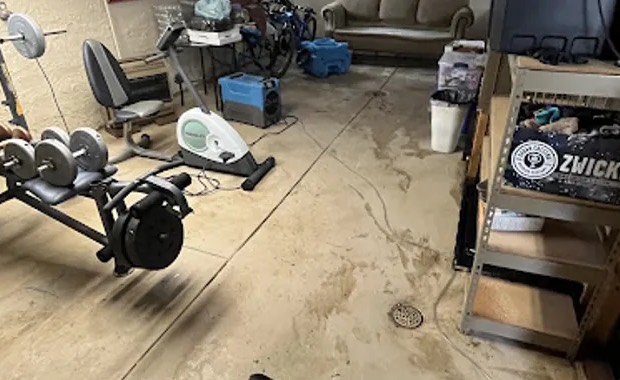
Local Industrial Dehumidification for Lakewood Businesses
Commercial water cleanup often involves large volumes of water. High-capacity extraction is the first step to limit mold and damage to the structure.
Industrial dehumidification needs in Lakewood and surrounding communities like Steilacoom, University Place and Parkland are handled by experienced water damage restoration pros. They manage everything from humidity control systems to flood cleanup on large sites. Help is available 24/7 whenever moisture problems come up.
Professional Industrial Dehumidification in Lakewood
Industrial Humidity Reduction Systems
Some buildings stay humid long after a leak. Dehumidifiers can be left running to hold humidity at a set level until the building is stable.
Emergency Water Removal
Standing water poses immediate safety hazards and accelerates damage. Once the water is gone, industrial dehumidification addresses the saturated atmosphere and materials.
Industrial Flood Damage Restoration
After a significant flood, industrial spaces need professional drying. Water damage restoration pros in Lakewood set up systems to dry the building structure and contents, checking readings daily.
Mold Remediation Services
Mold in a commercial building indicates a deeper moisture issue. The pros use industrial dehumidifiers to create a dry environment that inhibits mold.
Structural Drying Services
Drying the structure after a leak means getting studs, joists and slabs dry, not just the air in the room.
When to Call for Industrial Dehumidification in Lakewood
Elevated Humidity Levels
Sticky air and condensation on windows or metal surfaces mean humidity in the building is too high.
Soggy Inventory or Stock
Wet cardboard, damaged goods or damp raw materials mean humidity in the building is not under control.
Damp Insulation or Drywall
Wet materials behind walls or above ceilings stay wet for weeks without forced drying and can rot.
Stained Ceilings or Walls
Yellow or brown water stains show where past leaks happened and where moisture may still be.
How Industrial Dehumidification Works in Lakewood
Step 1: Site Assessment and Inspection
An inspection finds the water sources, the wet materials and how much cleanup is needed.
Step 2: Containment and Water Removal
Containment is set up if needed, then industrial extractors remove the bulk water.
Step 3: Deploy Drying Equipment
Desiccant and refrigerant dehumidifiers and air movers are placed to dry the building.
Step 4: Continuous Monitoring and Adjustment
Equipment runs around the clock, and humidity is checked so the setup can be adjusted as areas dry.
Causes of Excess Moisture Requiring Industrial Dehumidification in Lakewood
HVAC System Condensation Issues
Cooling systems that are poorly maintained or oversized can produce a lot of condensation and raise humidity.
Poor Ventilation and Airflow
Poor ventilation traps moisture from work processes and people inside the building.
Fire Suppression System Activation
A sprinkler discharge can leave a large amount of water to extract and dry.
Natural Disasters and Severe Weather
Flash floods, torrential rain and other extreme events can soak large buildings and need large-scale drying.
Professional Industrial Dehumidification for Any Property in Lakewood
Residential Industrial Dehumidification
Water damage from appliance overflows, AC leaks and roof problems affects homeowners in Lakewood. Pros dry the structure with dehumidifiers to remove hidden moisture.
Commercial Industrial Dehumidification
In businesses, leaks and high humidity lead to downtime and lost stock. Industrial dehumidifiers dry the facility so it can get back to work.
When to Hire Local Pros for Industrial Dehumidification in Lakewood
Opening windows can help with minor humidity in a small room. Controlling humidity in a large commercial space with stock or equipment usually takes industrial dehumidifiers.
Factors Affecting Industrial Dehumidification Cost in Lakewood
The cost of industrial dehumidification in Lakewood depends mainly on how much water got in and the square footage that needs drying.
Drying Time Required
How long the dehumidifiers must run to reach dry readings is a main cost component.
Mold Remediation Needs
If mold is found, containment, removal and air scrubbing are added to the job.
Equipment Quantity
The number of dehumidifiers, air movers and meters needed grows with the size of the flood.
Does Insurance Cover Industrial Dehumidification?
The pros provide the necessary documentation, including logs and moisture data, that the insurer typically needs to process and adjudicate the property owner's claim.
Advantages of Hiring Local Pros for Industrial Dehumidification in Lakewood
24/7 Emergency Response
Fast water extraction limits how far damage spreads in a large building.
Industrial-Grade Equipment
High-capacity dehumidifiers and air movers are sized for warehouses and other large spaces.
IICRC-Standard Drying Methods
The experts follow industry drying standards so moisture is fully removed from the structure.
24/7 Emergency Industrial Dehumidification in Lakewood
A burst pipe or equipment failure can flood a building and stop work. Call (425) 386-5713 for 24/7 help with industrial flood cleanup in Lakewood.
Call Now (425) 386-5713Local Industrial Dehumidification Areas: Lakewood and Beyond
Industrial drying for plants and warehouses is available in Lakewood and in nearby Steilacoom, University Place and Parkland.
- Industrial Dehumidification in Steilacoom
- Industrial Dehumidification in University Place
- Industrial Dehumidification in Parkland
- Industrial Dehumidification in Fircrest
- Industrial Dehumidification in Midland
- Industrial Dehumidification in Tacoma
- Industrial Dehumidification in Spanaway
- Industrial Dehumidification in Fife
- Emergency Damage Restoration in 98439
- Storm Damage Restoration in 98439
- Water Damage Restoration in 98439
- Water Extraction Service in 98439
- Water Leak Detection in 98439
- Water Removal Service in 98439
- Emergency Damage Restoration in 98497
- Storm Damage Restoration in 98497
Industrial Dehumidification Common Questions Answered
Does all water require the same cleanup approach?
No. Clean water from a supply line, gray water from appliances and black water from sewage each need different safety and cleanup steps.
What happens during the property restoration process?
Property restoration involves drying structural materials, cleaning affected surfaces and contents, and sometimes repairing or replacing damaged components after water intrusion.
How is drying progress monitored?
The experts take moisture readings from materials and the air each day and keep drying logs that show progress.
What are humidity reduction systems?
Dehumidifiers that stay in place to hold humidity at a set level in sensitive spaces like data centers, archives or plants after water damage.
What does water damage cleanup involve?
Water extraction, moisture mapping of the building, placement of industrial dehumidifiers and air movers, daily monitoring and a final dryness check.