Lakewood, WA · Pierce County
Warehouse Water Damage Restoration in Lakewood, WAWarehouse Structural Drying & Warehouse Mold Remediation
Warehouse Water Damage Restoration in Lakewood involves warehouse water damage cleanup, warehouse structural drying, and warehouse equipment drying to minimize downtime.
Answered 24/7
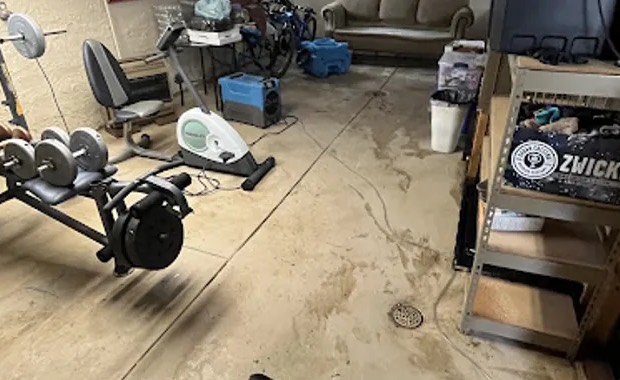
Expert Warehouse Water Damage Restoration Services for Lakewood
In Lakewood, local pros find and repair the leak and extract the water to stop mold and structural decay.
In Lakewood, warehouse floods need large-volume extraction and drying. Local pros dry and clean the building, including mold removal, and also serve Steilacoom, University Place and Parkland.
Warehouse Water Damage Restoration Services in Lakewood
Warehouse Structural Drying
Warehouse structural drying uses industrial air movers and dehumidifiers following industry-standard methods to dry walls, floors, and structural components.
Warehouse Mold Remediation
If mold develops in a wet warehouse, remediation protocols are followed. The area is contained, and affected porous materials are removed.
Warehouse Flood Water Extraction
High-volume extractors clear standing water from large warehouse floors fast. Local water damage pros in Lakewood work to protect stock and the structure.
Warehouse Equipment Drying
Water can damage warehouse machinery and electrical systems. Pros dry equipment carefully to prevent corrosion and failures, and the owner or maker confirms it is safe to restart.
Warehouse Water Damage Cleanup
After drying, the pros wash floors, wipe down structural elements and control odors so the warehouse is ready to operate, with records for your claim.
Common Red Flags for Warehouse Water Damage Restoration
Visible Mold Growth
Dark spots on walls, ceilings or goods point to a moisture problem and possible mold.
Soggy Insulation Overhead
Wet, sagging insulation in ceiling bays loses R-value and can lead to collapse.
Condensation on Equipment
Water beads on metal machinery or control panels show high humidity, risking corrosion and downtime.
Warped or Buckling Floors
A curling slab or failing epoxy coating points to moisture under the floor.
How Warehouse Water Damage Restoration Works in Lakewood
Step 1: Initial Damage Assessment
Local warehouse restoration experts assess the extent of warehouse flood damage, documenting all affected areas, inventory, and structural elements.
Step 2: Bulk Water and Moisture Removal
All visible water is extracted, followed by targeted warehouse moisture removal from concrete and building materials using penetrating drying systems.
Step 3: Content Restoration and Salvage
Warehouse inventory water damage is addressed; pallets and goods are triaged for salvage, cleaning, or specialized drying protocols.
Step 4: Monitoring to Completion
Equipment monitors dryness levels until the warehouse meets dry standards. Documentation is provided to support your insurance claim process.
Leading Causes of Water Intrusion in Lakewood
Stormwater and Flood Intrusion
Heavy rain can overwhelm drains or seep under doors, leading to warehouse flood damage.
Roof Leaks and Penetrations
Damaged roofing, failed seals around vents or skylights, and storm damage allow water into warehouse spaces.
Foundation or Slab Leaks
Cracks in the slab or foundation walls let groundwater seep into the warehouse.
Faulty Drain or Sewer Backup
Blocked floor drains or a municipal sewer backup can send contaminated water into the warehouse.
Warehouse Water Damage Restoration for Industrial Properties in Lakewood
Residential Water Damage Restoration
A large storage barn or multi-car garage full of vehicles and tools needs the same industrial drying to protect what is inside.
Warehouse Water Damage Restoration
Pros who work in warehouses understand racking, electrical hazards and inventory handling, so cleanup disrupts operations as little as possible.
Professional Warehouse Water Damage Restoration or DIY Repair in Lakewood
You can look for obvious leaks, like a dripping pipe or a water trail. Finding hidden moisture in walls and floors takes thermal cameras and moisture meters.
Factors Influencing Warehouse Water Damage Restoration Cost
Factors influencing warehouse water removal expense include the water source category, the duration of exposure, and the required level of moisture documentation for insurance or internal records.
Structural Material Type
Concrete floors and steel framing dry differently than areas with drywall or insulation, affecting the methods and time required.
Water Volume and Source
Clean water from a broken pipe costs less to extract than contaminated flood water requiring advanced sanitation procedures in the warehouse.
Mold Remediation Needs
If secondary mold growth is present, the project scope expands to include containment, removal, and air scrubbing, adding to the cost.
Does Insurance Cover Warehouse Water Damage Restoration?
The pros provide detailed reports and invoices that document the scope of work and moisture readings. The property owner can submit these to their insurer, but final coverage decisions rest with the insurance company.
Why Choose Local Pros for Warehouse Water Damage Restoration
Leak Detection Repair
After extraction, warehouse leak repair experts can help identify and address the source of the water intrusion to prevent a recurrence.
Industrial-Grade Equipment
Warehouse flood cleanup requires truck-mounted extractors, industrial dehumidifiers, and high-volume air movers designed for large-scale commercial spaces.
Moisture Documentation
Detailed logs of moisture readings before, during, and after restoration provide a clear record for your reference and any insurance requirements.
Round-the-Clock Warehouse Water Damage Restoration in Lakewood, WA
Inventory and equipment are at risk from standing water and humidity. For emergency warehouse water damage cleanup, call the pros at (425) 386-5713 for assistance.
Call Now (425) 386-5713Warehouse Water Damage Restoration Near Lakewood: Areas Served
Warehouse flood cleanup is available in Lakewood and nearby areas such as Steilacoom, University Place and Parkland.
- Warehouse Water Damage Restoration in Steilacoom
- Warehouse Water Damage Restoration in University Place
- Warehouse Water Damage Restoration in Parkland
- Warehouse Water Damage Restoration in Fircrest
- Warehouse Water Damage Restoration in Midland
- Warehouse Water Damage Restoration in Tacoma
- Warehouse Water Damage Restoration in Spanaway
- Warehouse Water Damage Restoration in Fife
- Emergency Damage Restoration in 98439
- Storm Damage Restoration in 98439
- Water Damage Restoration in 98439
- Water Extraction Service in 98439
- Water Leak Detection in 98439
- Water Removal Service in 98439
- Emergency Damage Restoration in 98497
- Storm Damage Restoration in 98497
Common Warehouse Water Damage Restoration Queries
What causes warehouse leaks needing detection and repair?
Common sources include roof failures, compromised siding or cladding, sealant failures around doors and loading docks, or plumbing issues within the warehouse's utility infrastructure.
When is warehouse mold remediation necessary after water damage?
If visible mold growth appears or moisture is left unresolved for over 24 48 hours, remediation procedures for containment and removal become necessary.
Is warehouse equipment drying different from structural drying?
Yes, it often requires specific techniques like controlled low-heat drying, corrosion inhibitors, and electrical testing to protect machinery after water exposure.
Why is warehouse floor water removal challenging?
Water soaks into concrete, so slabs take longer to dry and need dehumidifiers and readings to confirm.
What is the goal of warehouse moisture removal?
To return building materials to normal dry readings, measured with moisture meters, so they do not decay or grow mold.