Spanaway, WA · Pierce County
Warehouse Water Damage Restoration in Spanaway, WAWarehouse Leak Detection Repair & Warehouse Water Damage Cleanup
Warehouse Water Damage Restoration in Spanaway requires warehouse equipment drying, warehouse floor water removal, and warehouse leak detection repair.
Answered 24/7
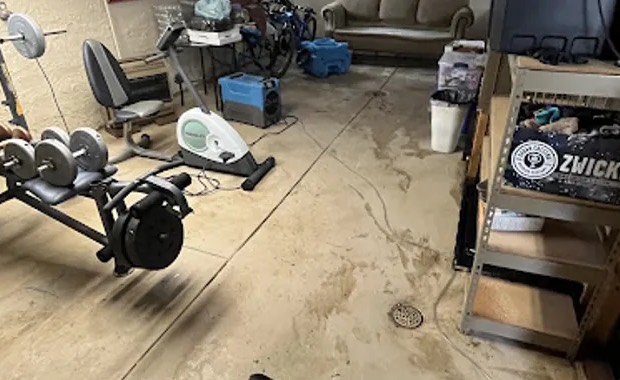
Local Warehouse Water Damage Pros Serving Spanaway
Untreated water damage in warehouses can weaken floors, damage stored goods, and create hazardous mold, posing significant business risks. Local warehouse water extraction pros prioritize action, initiating warehouse water damage cleanup and moisture removal to limit secondary damage.
Warehouse water damage restoration is a critical service for industrial and storage facilities in Spanaway, where water intrusion can halt operations and damage valuable stock. The pros provide warehouse flood water extraction and structural drying to restore functionality, serving businesses here and in nearby areas like Parkland, Midland and Lakewood.
Detailed Warehouse Water Damage Restoration Offerings in Spanaway
Warehouse Leak Detection Repair
Warehouse leak detection repair finds the water source at roofing, plumbing, or doors. Temporary repairs stop further entry so drying can proceed.
Warehouse Water Damage Cleanup
Completing warehouse water damage restoration requires a thorough cleanup phase. The process sanitizes surfaces and addresses any lingering musty smells from the incident.
Warehouse Structural Drying
Warehouse structural drying uses industrial air movers and dehumidifiers following industry-standard methods to dry walls, floors, and structural components.
Warehouse Mold Remediation
Mold growth in a warehouse requires a structured remediation response. Professionals contain the area, discard unsalvageable moldy materials, and clean remaining surfaces.
Warehouse Flood Water Extraction
Immediate warehouse flood water extraction removes standing water using high-capacity pumps. Early action helps prevent secondary damage to inventory and the building structure. The pros in Spanaway prioritize this first step.
Indicators of Warehouse Water Damage in Spanaway
Damp Inventory or Materials
Wet boxes, soggy pallets or damp raw materials mean water is reaching your inventory.
Visible Mold Growth
Dark spots on walls, ceilings or goods point to a moisture problem and possible mold.
Condensation on Equipment
Water beads on metal machinery or control panels show high humidity, risking corrosion and downtime.
Active Leak or Dripping
Water coming from a roof, pipe or fixture needs the leak found and stopped now.
How Warehouse Water Damage Restoration Works in Spanaway
Step 1: Emergency Water Extraction
The pros use industrial pumps and extractors to remove all standing flood water from the facility, starting the warehouse water removal process.
Step 2: Strategic Structural Drying
High-capacity air movers and commercial dehumidifiers are positioned to dry the warehouse structure, including walls, ceilings, and the concrete slab, preventing warping.
Step 3: Inventory and Content Processing
Affected goods and materials are evaluated for warehouse inventory water damage; salvageable items are moved to a dry zone for specialized drying or cleaning.
Step 4: Final Verification and Documentation
Using moisture meters, pros verify the space is dry to industry standards. They document the process with readings and photos for your insurance review.
Typical Sources of Warehouse Water Damage
Process Equipment Leaks
Cooling lines, hydraulic systems, or wash-down stations can develop leaks, creating localized water damage.
Faulty Drain or Sewer Backup
Blocked floor drains or a municipal sewer backup can send contaminated water into the warehouse.
Sprinkler System Malfunction
Accidental discharge, a faulty head, or a broken pipe in fire suppression systems causes major flooding.
Plumbing Supply Line Breaks
A burst pipe in restrooms, break rooms, or process water lines leads to significant water loss.
Industrial-Grade Warehouse Water Damage Restoration in Spanaway
Residential Water Damage Restoration
Mostly a commercial service, but local pros can also help homeowners with oversized garages, workshops or storage buildings flooded by appliance failures or storms.
Warehouse Water Damage Restoration
Warehouses, plants and distribution hubs lose money every day a flood halts operations. Pros extract water to protect inventory and the structure.
Warehouse Water Damage Restoration vs. DIY: When to Call Local Pros
Move small amounts of dry stock away from the water if it is safe. Pallets, machinery and anything hazardous should be handled by the pros.
What Affects Warehouse Water Damage Restoration Pricing
Warehouse water damage restoration cost in Spanaway is affected by the scale of flooding, the type of materials saturated, and the urgency of the response required.
Water Volume and Source
Clean water from a broken pipe costs less to extract than contaminated flood water requiring advanced sanitation procedures in the warehouse.
Warehouse Square Footage
Larger wet areas take more equipment and labor hours to extract and dry.
Structural Material Type
Concrete floors and steel framing dry differently than areas with drywall or insulation, affecting the methods and time required.
Does Insurance Cover Warehouse Water Damage Restoration?
The pros assist by creating a clear, documented scope of damage for an adjuster to review. Final approval for repairs and coverage, however, rests with the insurance company.
Why Choose Local Pros for Warehouse Water Damage Restoration
Mold Prevention Focus
Rapid water removal and thorough drying are the primary methods the pros use to help prevent mold growth after a flood.
Equipment Drying Protocols
Specialized techniques for warehouse equipment drying aim to minimize corrosion and electrical damage to machinery and control panels after water exposure.
IICRC-Standard Methods
The specialists follow industry-standard protocols for moisture mapping, extraction, and drying to help prevent secondary damage in your facility.
Emergency Warehouse Water Damage Restoration Response for Spanaway
Moisture in a warehouse can damage the structure, ruin stock and grow mold. Call (425) 386-5713 24/7 for local pros to start drying.
Call Now (425) 386-5713Warehouse Water Damage Restoration Serving Spanaway and Surroundings
In Spanaway, a census-designated place in Pierce County, along with nearby areas like Parkland, Midland and Lakewood, the pros handle warehouse water removal, inventory damage mitigation, and emergency leak detection repair.
- Warehouse Water Damage Restoration in Parkland
- Warehouse Water Damage Restoration in Midland
- Warehouse Water Damage Restoration in Lakewood
- Warehouse Water Damage Restoration in Graham
- Warehouse Water Damage Restoration in Puyallup
- Warehouse Water Damage Restoration in Orting
- Warehouse Water Damage Restoration in Fife
- Warehouse Water Damage Restoration in Steilacoom
- Emergency Damage Restoration in 98387
- Storm Damage Restoration in 98387
- Water Damage Restoration in 98387
- Water Extraction Service in 98387
- Water Leak Detection in 98387
- Water Removal Service in 98387
Warehouse Water Damage Restoration in Spanaway: Your Questions Answered
Why is warehouse floor water removal challenging?
Water soaks into concrete, so slabs take longer to dry and need dehumidifiers and readings to confirm.
What is the goal of warehouse moisture removal?
To return building materials to normal dry readings, measured with moisture meters, so they do not decay or grow mold.
What records are kept for warehouse water damage repair?
The pros document the process with photos, moisture reading logs, equipment logs, and detailed notes for your records and any insurance claim.
Is warehouse equipment drying different from structural drying?
Yes, it often requires specific techniques like controlled low-heat drying, corrosion inhibitors, and electrical testing to protect machinery after water exposure.
How fast should warehouse flood damage be addressed?
Quick action is critical to minimize structural warping, inventory loss, and mold growth; water removal should begin within the first 24 hours.