Graham, WA · Pierce County
Warehouse Water Damage Restoration in Graham, WAWarehouse Water Damage Cleanup & Warehouse Leak Detection Repair
Warehouse Water Damage Restoration in Graham provides warehouse mold remediation, warehouse floor water removal, and warehouse leak detection repair.
Answered 24/7
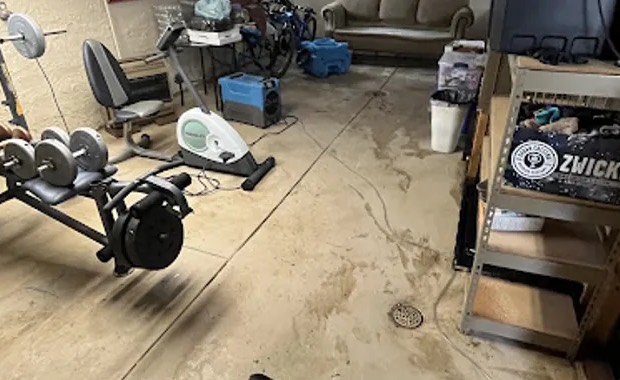
Warehouse Water Damage Restoration Solutions in Graham, Washington
Warehouse flooding soaks floors, walls and contents, can shut operations down and may lead to mold. Pros remove the water and stabilize the space first.
Warehouses in Graham need large equipment to dry concrete floors and high walls. Local pros remove the water, dry the building and help protect stock. They also serve places like Orting, Spanaway and Prairie Ridge.
Comprehensive Warehouse Water Damage Restoration Solutions
Warehouse Water Damage Cleanup
Completing warehouse water damage restoration requires a thorough cleanup phase. The process sanitizes surfaces and addresses any lingering musty smells from the incident.
Warehouse Leak Detection Repair
Warehouse leak detection repair finds the water source at roofing, plumbing, or doors. Temporary repairs stop further entry so drying can proceed.
Warehouse Floor Water Removal
Pros use equipment made for concrete and epoxy coatings to extract trapped moisture and dry the floor in Graham.
Warehouse Structural Drying
Warehouse structural drying uses industrial air movers and dehumidifiers following industry-standard methods to dry walls, floors, and structural components.
Warehouse Equipment Drying
Water can damage warehouse machinery and electrical systems. Pros dry equipment carefully to prevent corrosion and failures, and the owner or maker confirms it is safe to restart.
Common Red Flags for Warehouse Water Damage Restoration
Wet Electrical Components
Any moisture near panels, conduits, or outlets is an immediate safety hazard for warehouse operations.
Condensation on Equipment
Water beads on metal machinery or control panels show high humidity, risking corrosion and downtime.
Water Stains on Walls
Discolored streaks or rings on interior walls reveal past or active leaks in the warehouse.
Visible Mold Growth
Dark spots on walls, ceilings or goods point to a moisture problem and possible mold.
How Warehouse Water Damage Restoration Works in Graham
Step 1: Emergency Water Extraction
Local warehouse water damage pros use industrial pumps and extractors to remove all standing flood water from the facility, starting the warehouse water removal process.
Step 2: Strategic Structural Drying
High-capacity air movers and commercial dehumidifiers are positioned to dry the warehouse structure, including walls, ceilings, and the concrete slab, preventing warping.
Step 3: Inventory and Content Processing
Affected goods and materials are evaluated for warehouse inventory water damage; salvageable items are moved to a dry zone for specialized drying or cleaning.
Step 4: Final Verification and Documentation
Using moisture meters, pros verify the space is dry to industry standards. They document the process with readings and photos for your insurance review.
Common Causes of Warehouse Water Damage
Roof Leaks and Penetrations
Damaged roofing, failed seals around vents or skylights, and storm damage allow water into warehouse spaces.
Foundation or Slab Leaks
Cracks in the slab or foundation walls let groundwater seep into the warehouse.
Stormwater and Flood Intrusion
Heavy rain can overwhelm drains or seep under doors, leading to warehouse flood damage.
Process Equipment Leaks
Cooling lines, hydraulic systems, or wash-down stations can develop leaks, creating localized water damage.
Industrial-Grade Warehouse Water Damage Restoration in Graham
Residential Water Damage Restoration
A flooded home workshop with power tools and materials requires the thorough moisture removal approach of the experts to dry the space and prevent warping or rust damage to equipment.
Warehouse Water Damage Restoration
Property managers need concrete slabs dried to avoid flooring and moisture problems later. Moisture maps and readings also support the insurance claim.
Why DIY Warehouse Water Damage Repair Fails
Improving ventilation by opening doors and using fans can help with mild humidity. For serious warehouse moisture removal after a flood, this is insufficient and can spread contaminants; structured drying with air movers and dehumidifiers is needed.
Cost Considerations for Warehouse Water Damage Restoration in Graham, WA
Factors influencing warehouse water removal expense include the water source category, the duration of exposure, and the required level of moisture documentation for insurance or internal records.
Mold Remediation Needs
If secondary mold growth is present, the project scope expands to include containment, removal, and air scrubbing, adding to the cost.
Structural Material Type
Concrete floors and steel framing dry differently than areas with drywall or insulation, affecting the methods and time required.
Access and Complexity
Multi-level racking, confined machinery spaces, or high ceilings can complicate water removal and drying, increasing labor and equipment needs.
Does Insurance Cover Warehouse Water Damage Restoration?
For warehouse flood damage, ask your insurer whether the policy covers business interruption, damaged inventory or equipment replacement. The pros document all damage with photos and moisture readings.
Why Graham Trusts Local Warehouse Water Extraction Pros
Industrial-Grade Equipment
Warehouse flood cleanup requires truck-mounted extractors, industrial dehumidifiers, and high-volume air movers designed for large-scale commercial spaces.
Floor Water Removal
Effective warehouse floor water removal addresses both surface water and moisture trapped below the surface or in subflooring materials.
Structural Drying Expertise
Proper warehouse structural drying protects the building's integrity by removing moisture from concrete slabs, steel frames, and wall cavities effectively.
Emergency Warehouse Water Damage Restoration Response for Graham
Inventory and equipment are at risk from standing water and humidity. For emergency warehouse water damage cleanup, call the local pros at (425) 386-5713 for assistance.
Call Now (425) 386-5713Warehouse Water Damage Restoration Near Graham: Areas Served
Warehouse structural drying and mold remediation services are accessible for properties in Graham and surrounding places including Orting, Spanaway and Prairie Ridge.
- Warehouse Water Damage Restoration in Orting
- Warehouse Water Damage Restoration in Spanaway
- Warehouse Water Damage Restoration in Prairie Ridge
- Warehouse Water Damage Restoration in Puyallup
- Warehouse Water Damage Restoration in Parkland
- Warehouse Water Damage Restoration in Sumner
- Warehouse Water Damage Restoration in Bonney Lake
- Warehouse Water Damage Restoration in Fife
- Emergency Damage Restoration in 98338
- Storm Damage Restoration in 98338
- Water Damage Restoration in 98338
- Water Extraction Service in 98338
- Water Leak Detection in 98338
- Water Removal Service in 98338
Frequently Asked Questions About Warehouse Water Damage Restoration
Can warehouse inventory water damage be reversed?
Many goods can be salvaged through controlled drying, freeze-drying, or specialized cleaning, but success depends on the material and exposure time.
How long does industrial water damage restoration typically take?
Duration varies widely by scale; a significant warehouse flood may require several days of active drying followed by repair and cleanup phases.
What's included in warehouse water damage cleanup?
Cleanup encompasses water extraction, debris removal, surface sanitization of affected areas, and odor control measures after the primary structural drying phase is complete.
What causes warehouse leaks needing detection and repair?
Common sources include roof failures, compromised siding or cladding, sealant failures around doors and loading docks, or plumbing issues within the warehouse's utility infrastructure.
How do pros handle warehouse flood water extraction?
They use truck-mounted or industrial portable extractors to remove bulk water, followed by detailing to pull water from cracks and crevices.