Lynnwood, WA · Snohomish County
Septic Tank Backup Water Removal in Lynnwood, WASeptic Tank Backup Water Extraction & Emergency Septic Backup Response
Septic Tank Backup Water Removal in Lynnwood requires immediate septic tank backup water extraction, septic backup sewage cleanup, and septic system water damage repair by local septic overflow cleanup specialists.
Answered 24/7
Local Septic Tank Backup Water Removal Solutions in Lynnwood
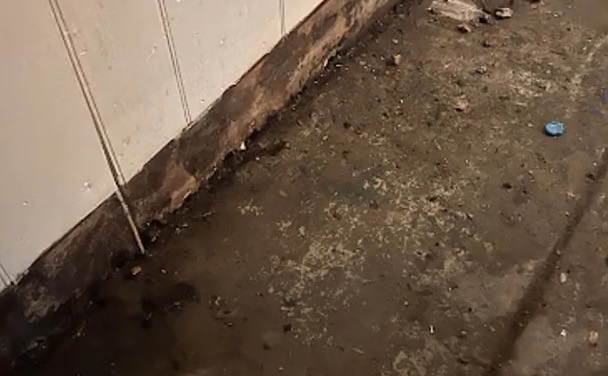
Septic system overflow water removal in Lynnwood protects your investment by preventing secondary damage like mold and wood rot. The standing sewage water can warp cabinets, ruin insulation and stain concrete.
Septic backup water extraction in Lynnwood and the broader region, including places like Alderwood Manor, Mountlake Terrace and Brier, demands expertise in both water damage and biohazard cleanup. The pros are equipped with pumps and sanitizing agents to manage sewage backup removal safely.
Comprehensive Septic Tank Backup Water Removal for Lynnwood
Septic Tank Backup Water Extraction
The water extraction for a septic tank backup in Lynnwood uses truck-mounted pumps to remove the contaminated water.
Emergency Septic Backup Response
For a septic backup emergency, the pros respond day or night to start the extraction and cleanup process.
Septic System Water Damage Repair
The pros coordinate the repair phase, which may involve removing and reinstalling building materials affected by the backup.
Septic Overflow Decontamination
The decontamination process applies specialized agents to kill bacteria and viruses left by the sewage spill. The specialists treat every surface the sewage touched.
Septic Tank Drain Backup Cleanup
The drain backup cleanup process includes extracting sewage water, flushing the affected pipes, and disinfecting all plumbing fixtures. The pros ensure the system is clean and functional.
When to Call for Septic Tank Backup Water Removal in Lynnwood
Wet Spots or Soggy Ground Outside
Damp, lush or spongy patches in the yard near the septic tank can mean the tank is backing up.
Unexplained Increase in Water Bill
A sudden spike in water use without a clear cause can mean a hidden leak or a toilet running into the septic system.
Overflow From Septic Tank Lid Area
Visible effluent or wet soil around the septic tank access lid is a clear sign the tank is full and septic system water removal is required.
Foul Odors Near the Drain Field
Persistent sewage smells around your yard or near plumbing fixtures signal a potential septic system overflow. These odors often worsen after water use.
How Septic Tank Backup Water Removal Works in Lynnwood
Step 1: Septic Overflow Response
Local pros respond day or night and assess how far the septic water has spread.
Step 2: Septic System Water Removal
Extraction equipment removes the contaminated liquid quickly and limits the health hazard.
Step 3: Comprehensive Sewage Cleanup
Sanitizing and odor removal follow, so the space is fully decontaminated before drying.
Step 4: Repair and Documentation
The damage is documented for your insurer, and repairs address any structural harm from the backup.
What Causes Septic Tank Overflows in Lynnwood
Full or Failing Septic Tank
A tank at capacity cannot accept new wastewater, causing immediate backups into your home. Regular pumping prevents this common septic tank backup cause.
Broken or Misaligned Sewer Pipes
Settling soil, age or pressure can break the main line from the house to the tank.
Compacted Soil Over the Drain Field
Heavy vehicles or structures parked above the leach field prevent proper drainage. This compaction causes backups.
Old Age and General System Deterioration
Corroded pipes, cracked tanks and failed seals eventually let sewage back into the home.
All-Property Septic Tank Backup Water Removal in Lynnwood
Residential Septic Tank Backup Water Removal
A septic backup in a home can soak subfloors, cabinets and belongings. The pros extract the sewage, remove what cannot be cleaned, disinfect and dry, and document the damage for your claim.
Commercial Septic Tank Backup Water Removal
Offices and multi-tenant buildings on septic systems need backups cleaned up with little disruption. The pros contain the area, extract the sewage and run air scrubbers for odor.
Professional Septic Tank Backup Water Removal Over DIY in Lynnwood
For ongoing maintenance, you can schedule regular septic tank pumping every 3-5 years and avoid flushing non-degradables. If you experience recurring slow drains, a professional camera inspection is wise.
What Influences Septic Tank Backup Water Removal Pricing in Lynnwood
The price depends on how severe the septic water damage is and how much material must be removed.
Emergency Response Timing
A septic backup emergency service call during nights, weekends, or holidays may involve different service rates due to after-hours mobilization required.
Extent of Contamination
The severity of the septic backup and the area covered by sewage directly affects the hours of labor and materials required for proper cleanup.
Structural Repairs
Any necessary septic system water damage repair, such as replacing subflooring or wall structures, is a separate line item in the restoration process.
Does Insurance Cover Septic Tank Backup Water Removal?
When filing a claim for septic line backup water removal, your insurer will assess the cause and the documentation provided. The pros create detailed reports to assist in that evaluation process.
Why Choose Local Septic Overflow Cleanup Specialists for Septic Tank Backup Water Removal in Lynnwood
Containment Protocols
Work areas are sealed off so sewage is not tracked into clean rooms during the cleanup.
Comprehensive Sewage Cleanup
Every surface touched by septic backup receives a thorough cleaning with EPA-registered agents to eliminate contamination risks.
Thorough Drain Backup Cleanup
The process addresses the septic tank drain backup completely, cleaning the affected plumbing fixtures and surrounding areas.
Urgent Septic Tank Backup Water Removal Response in Lynnwood
Sewage coming up from a septic backup should not wait. Stop using water in the house and call (425) 386-5713 at any hour for cleanup.
Call Now (425) 386-5713Septic Tank Backup Water Removal Near Lynnwood: Areas Served
The specialists work in Lynnwood to handle urgent septic tank drain backup situations. Their coverage area includes nearby places such as Alderwood Manor, Mountlake Terrace and Brier for on-site assistance.
- Septic Tank Backup Water Removal in Alderwood Manor
- Septic Tank Backup Water Removal in Mountlake Terrace
- Septic Tank Backup Water Removal in Brier
- Septic Tank Backup Water Removal in Edmonds
- Septic Tank Backup Water Removal in Picnic Point
- Septic Tank Backup Water Removal in Martha Lake
- Septic Tank Backup Water Removal in Mill Creek
- Septic Tank Backup Water Removal in Bothell
- Emergency Damage Restoration in 98036
- Storm Damage Restoration in 98036
- Water Damage Restoration in 98036
- Water Extraction Service in 98036
- Water Leak Detection in 98036
- Water Removal Service in 98036
- Emergency Damage Restoration in 98037
- Storm Damage Restoration in 98037
Frequently Asked Questions About Septic Tank Backup Water Removal
Why is septic water damage documentation important?
Photos and moisture readings create a record for your insurance claim that shows the extent of the loss.
How does septic system water removal prevent mold?
Extraction followed by drying with dehumidifiers and air movers removes the moisture mold needs, which matters after any septic backup.
How is septic tank drain backup cleanup performed?
Specialists clear the drain line if possible, then extract standing water and meticulously clean all fixtures and surfaces that came into contact with the contaminated backup.
What's the risk of untreated septic tank drain backup?
Untreated backups pose significant health risks from bacteria and viruses, cause permanent structural damage, and lead to pervasive mold infestations, greatly increasing repair costs later.
What happens during septic tank water extraction?
Powerful submersible pumps and truck-mounted extractors are used to remove the bulk of the contaminated liquid from the property, which is the first critical step in the restoration process.