Arlington, WA · Snohomish County
Sewer Backup Water Removal in Arlington, WASewer Backup Drying Services & Emergency Sewer Water Extraction
Sewer Backup Water Removal for Arlington homes includes black water damage restoration, sewer backup drywall removal and sewer line backup cleanup.
Answered 24/7
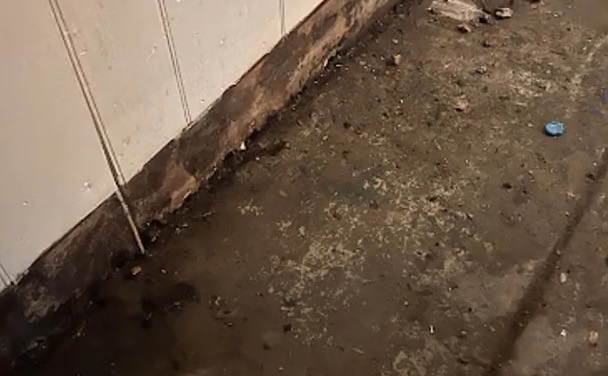
Sewer Backup Water Removal in Arlington: Around-the-Clock Help
Black water damage restoration requires specialized knowledge and equipment for homes in Arlington. This category of water damage poses significant biohazards and must be treated with extreme caution. Local restoration pros are trained in the safe handling and disposal of contaminated materials.
In Arlington and nearby Marysville, Granite Falls and Stanwood, moisture left after a sewer backup leads to mold and rot. Local water damage pros run industrial air movers and dehumidifiers until materials are dry.
Sewer Backup Water Removal and Related Services in Arlington
Sewer Backup Drying Services
Drying targets moisture left in walls and subfloors after extraction. Air movers and dehumidifiers are placed to pull water out of building materials.
Emergency Sewer Water Extraction
Sewer water should come out before anything else is done. Pros remove it with equipment built for black water to limit damage and health risks.
Black Water Damage Restoration
Restoration after black water intrusion is a multi-phase project. It encompasses the initial emergency response, deep cleaning, structural drying, and reconstruction of any materials that could not be salvaged, a complete solution for Arlington homeowners.
Contaminated Water Removal
Water carrying sewage or chemicals is removed safely and quickly in Arlington, with the area contained to keep it from spreading.
Sewer Line Backup Cleanup
A main line backup can push large volumes of sewage into lower levels. The pros extract it and sanitize the flooded rooms.
Indicators You Need Professional Sewer Water Extraction
Health Symptoms After Flooding
Breathing problems or nausea after a flood can mean someone was exposed to sewage. Keep everyone out of the affected rooms.
Contaminated Water in Home
Gray or black water rising into living spaces from drains is a sewage flood. Stay out of it until it is removed.
Foul Sewer Odors Indoors
A rotten egg smell means sewer gas is escaping from a drain or broken pipe. The gas is a health hazard and often comes before a backup.
Slow Flushing or Overflow
Toilets that will not flush or keep overflowing are an early sign of a sewer line backup.
How Sewer Backup Water Removal Works in Arlington
Step 1: Emergency Contaminated Water Removal
The first job is removing the sewage quickly and safely, before it soaks further.
Step 2: Debris and Damaged Content Removal
All debris and ruined personal property exposed to sewage are removed, a necessary step before drying and sewer backup restoration can begin.
Step 3: Advanced Drying and Dehumidification
High-capacity drying systems work to evaporate trapped moisture from the structure, preventing secondary damage after sewer water extraction.
Step 4: Final Cleaning and Deodorization
The last step involves deep cleaning and deodorizing all remaining surfaces, finalizing the sewage backup cleanup and making the space safe.
Common Causes of Sewage Backup Damage in Arlington
Severe Clogs in Lateral Lines
A blockage in the pipe between your home and the city sewer is one of the most common backup causes.
Sanitary Sewer Overflows (SSOs)
Failures at treatment plants or pump stations can send sewage back into connected homes.
Frozen or Burst Sewer Pipes
In cold climates, frozen sewer lines can burst and release wastewater into the home.
Cross-Connected Drain Lines
Storm and sewer drains that were joined improperly can back up together during heavy rain.
Residential and Commercial Sewer Backup Water Removal in Arlington
Residential Sewer Backup Water Removal
In homes, sewer backup water removal addresses contaminated flooding in basements, bathrooms, and living areas. The pros follow industry-standard methods for sewage backup cleanup, extracting black water, removing ruined drywall and flooring, and performing thorough drying and sanitization to restore a safe home.
Commercial Sewer Backup Water Removal
A sewer backup can stop a business, ruin inventory and create liability. The pros extract, sanitize and restore to cut downtime, and document the damage for insurance.
Why DIY Sewer Backup Water Removal is Not Advisable
After ensuring personal safety, you can make a list of damaged belongings for your own records. Avoid using chemical drain cleaners on a suspected backup, as they can worsen pipe damage.
Cost Considerations for Sewer Backup Water Removal in Arlington
In Arlington, cost depends on whether it is Category 3 black water, how far the contamination spread and how much sanitizing is needed.
Structural Drying Time
The duration needed for professional drying to prevent mold depends on materials and humidity, affecting equipment rental and monitoring expenses.
Required Sanitization
Disinfecting every surface the sewage touched is a required part of the job and adds to the cost.
Post-Restoration Verification
Final testing to confirm the area is dry and clean is a separate step with its own cost.
Does Insurance Cover Sewer Backup Water Removal?
Coverage for black water removal can be complex, as many standard policies exclude damage from groundwater or sewer backups. The pros assist by providing precise documentation of the loss.
The Value of Professional Sewer Backup Water Removal in Arlington
Antimicrobial Application
After extraction, affected surfaces are treated with EPA-registered antimicrobial agents to disinfect and inhibit mold.
Structural Drying Systems
Industrial air movers and dehumidifiers are deployed to dry wall cavities and subfloors thoroughly, preventing secondary mold damage.
Odor Neutralization Techniques
Specialized deodorization methods address persistent sewage odors, working to restore a fresher indoor environment post-cleanup.
24/7 Sewer Backup Response in Arlington
A sewer backup requires immediate attention to stop further damage and health hazards. For 24/7 emergency sewer cleanup and water extraction in Arlington, call (425) 386-5713 to speak with the pros.
Call Now (425) 386-5713Sewer Backup Water Removal Area Coverage for Arlington
In Arlington, and in surrounding areas like Marysville, Granite Falls and Stanwood, homes can get help when a sewer pipe fails or backs up.
- Sewer Backup Water Removal in Marysville
- Sewer Backup Water Removal in Granite Falls
- Sewer Backup Water Removal in Stanwood
- Sewer Backup Water Removal in Lake Stevens
- Sewer Backup Water Removal in Everett
- Sewer Backup Water Removal in Mount Vernon
- Sewer Backup Water Removal in Mukilteo
- Sewer Backup Water Removal in Snohomish
- Emergency Damage Restoration in 98223
- Storm Damage Restoration in 98223
- Water Damage Restoration in 98223
- Water Extraction Service in 98223
- Water Leak Detection in 98223
- Water Removal Service in 98223
FAQ: Sewer Backup Water Removal and Cleanup
Why is wet drywall removal necessary after a sewer backup?
Wet drywall removal is necessary because porous drywall acts as a sponge for sewage, trapping contaminants and moisture that cannot be adequately cleaned or dried.
Why choose a specialized water extraction service for a sewer backup?
A specialized water extraction service for a sewer backup has the training, equipment, and protocols to safely handle the biohazards present in Category 3 water.
What happens during sewage damage restoration?
During sewage damage restoration, pros remove the contaminated water and waste, discard damaged materials, clean and disinfect, then dry and verify the environment is safe.
What does black water damage restoration involve?
Black water damage restoration involves extracting the contaminated water, removing unsalvageable porous materials, disinfecting surfaces, and thoroughly drying the structure to industry standards.
Are personal belongings salvageable after a sewer backup?
Personal belongings contaminated with sewer water are rarely salvageable, especially porous items, which should be discarded to avoid ongoing health risks.