Trusted by 175+ Homeowners
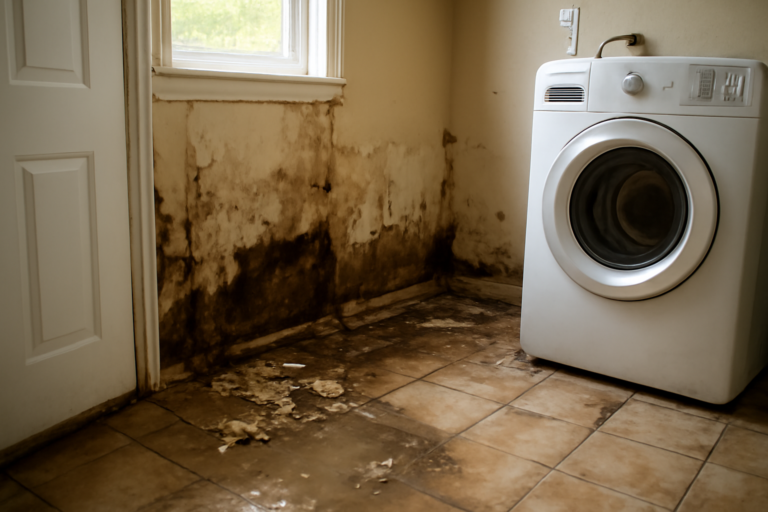
Tile Floor Water Extraction in Everett, WA
- Over 176 5-Star Reviews
- Free Estimates and Quotes
- 100% Satisfaction Guaranteed
- Advanced Child, Family & Pet Safe Steps& Proven Techniques
- 24-Hour Emergency Service
- Fully Licensed & Insured

Tile Floor Water Extraction in Everett, WA: What You Need to Know
Did you know that water damage on tile floors can lead to costly repairs or even replacement? In fact, a study found that tile floor water extraction claims can take up to 6 months to process, with average costs exceeding $3,000. You can avoid these headaches by acting quickly and seeking professional help. Our team in Everett, WA, specializes in tile floor water extraction, and we’re here to guide you through the process.
With over 165 five-star reviews from satisfied customers in your area, you can trust our team to handle your tile floor water extraction needs. We understand that water damage can be stressful, which is why we’re dedicated to providing top-notch service and support every step of the way.
- Fast Response Times: We’ll arrive within 60 minutes to assess and extract water from your tile floor.
- Effective Equipment: Our state-of-the-art extraction equipment is specifically designed to handle tile floor water damage.
- Insurance Support: We’ll work closely with your insurance company to ensure a smooth claims process and minimal out-of-pocket costs.
How Our Tile Floor Water Extraction Process Works
At our team, we understand the importance of a proper extraction process. When water damage occurs on your tile floor, it’s essential to act quickly to prevent further damage. Our process involves several key steps: assessment, extraction, drying, and documentation. We’ll use our IICRC-certified technicians and specialized equipment to get your tile floor back to its original condition.
Assessment: Identifying the Source and Extent of Damage
Our team will assess the damage to find out the source and extent of the water damage. This involves identifying the cause of the leak, determining the affected area, and assessing the water’s saturation level. We’ll use specialized tools to measure moisture levels and identify any hidden damage.
Extraction: Removing Water from the Affected Area
We’ll use our powerful extraction equipment to remove water from the affected area, including the tile floor, subfloor, and any underlying structures. Our technicians will carefully remove any standing water, and our equipment will handle the more difficult areas, such as tight spaces and under flooring.
Drying: Removing Excess Moisture
After extraction, we’ll focus on removing excess moisture from the affected area. This involves using specialized equipment, such as desiccants and dehumidifiers, to draw out moisture from the air and the affected materials. Our technicians will work to ensure your tile floor and surrounding areas are completely dry.
Documentation: Supporting Your Insurance Claim
We’ll document the entire process, including before and after photos, to provide evidence of the damage and the restoration work. This documentation will support your insurance claim and help ensure a smooth process. Our team will work closely with your insurance company to ensure you receive the benefits you deserve.
Don’t wait, act quickly to reduce damage and costs. Contact us today to schedule an assessment and extraction services.

Warning Signs You Need Tile Floor Water Extraction
Ignoring water damage on your tile floor can lead to costly repairs and even replacement. Here are some warning signs you shouldn’t ignore:
Musty Odors That Won’t Go Away
Strong, persistent musty odors can be a sign of mold growth. If you notice a musty smell in your home, it’s essential to investigate the source and address it quickly. Mold can grow rapidly, and ignoring it can lead to more extensive (and expensive) repairs.
Warped or Buckled Tile
Warped or buckled tile can be a sign of water damage. If you notice your tile floor is warping or buckling, it’s essential to address the issue quickly. This can prevent further damage and costly repairs.
Water Stains on Ceiling or Walls
Water stains on your ceiling or walls can be a sign of water damage. If you notice water stains, it’s essential to investigate the source and address it quickly. Ignoring water damage can lead to more extensive (and expensive) repairs.
Peeling Paint or Wallpaper
Peeling paint or wallpaper can be a sign of water damage. If you notice peeling paint or wallpaper, it’s essential to investigate the source and address it quickly. This can prevent further damage and costly repairs.
Cracked or Broken Tile
Cracked or broken tile can be a sign of water damage. If you notice cracked or broken tile, it’s essential to address the issue quickly to prevent further damage and costly repairs.
Tile Floor Water Extraction vs. DIY: When to Call a Professional
| Situation | DIY? | Call a Pro? | Why |
|---|---|---|---|
| Small leak (less than 1 gallon per minute) | Yes | No | You can likely handle a small leak with a bucket and towels. |
| Large leak (more than 1 gallon per minute) | No | Yes | You’ll need professional equipment to handle a large leak and prevent further damage. |
| Standing water (up to 2 inches deep) | No | Yes | Standing water can lead to mold growth and further damage, needing professional attention. |
| Mold growth (visible or suspected) | No | Yes | Mold growth needs professional remediation to ensure your health and safety. |
| Complex water damage (multiple areas affected) | No | Yes | Complex water damage needs a professional team to assess and address the issue. |
| Time-sensitive situation (e.g., during peak season) | No | Yes | A time-sensitive situation needs a professional team to handle quickly and efficiently. |
With tile floor water extraction, it’s always best to err on the side of caution. If you’re unsure about the severity of the damage or the best course of action, it’s essential to consult a professional. Our team is here to help you navigate the process and ensure your tile floor is restored to its original condition.
Tile Floor Water Extraction Cost in Everett, WA
The cost of tile floor water extraction can vary depending on the severity and extent of the damage. Factors that affect the cost include the size of the affected area, local conditions, and the level of water saturation. Our estimates range from $500 to $2,500 or more, depending on the specific needs of your tile floor.
| Service | Typical Price Range | What Affects Cost |
|---|---|---|
| Extraction Equipment Rental | $500 – $1,500 | The type and number of extraction equipment rented, as well as the duration of rental, affect the cost. |
| Moisture Testing and Assessment | $200 – $1,000 | The complexity and scope of the assessment, including the number of areas affected, impact the cost. |
| Dehumidification and Drying | $500 – $2,000 | The type and number of dehumidification units used, as well as the duration of drying, affect the cost. |
| Tile Replacement (if necessary) | $500 – $5,000 | The type and quality of tile, as well as the extent of damage, impact the cost. |
| Insurance Support and Documentation | $0 – $1,000 | The level of insurance coverage and the complexity of the claims process affect the cost. |
Keep in mind that these estimates are based on the specific needs of your tile floor and may vary depending on the severity and extent of the damage. Our team will provide a more accurate estimate after assessing the affected area.
Service Areas Near Everett, WA
We serve the following nearby communities: Mukilteo, Lynnwood, Mill Creek, Alderwood Manor, Brier, Edmonds, Mountlake Terrace, Shoreline, Lake Forest Park, Kenmore, Kirkland, Bellevue, Issaquah, Sammamish, and more.
Common Questions About Tile Floor Water Extraction
Will insurance cover the cost of tile floor water extraction?
Yes, insurance typically covers the cost of tile floor water extraction, but the process can be complex. Our team will work closely with your insurance company to ensure a smooth claims process and minimal out-of-pocket costs.
How long does tile floor water extraction take?
The time required for tile floor water extraction varies depending on the severity and extent of the damage. Typically, our team can complete the extraction process within 3-5 days, but this may be longer for more complex cases.
Is it safe to walk on a tile floor after water damage?
No, it’s not safe to walk on a tile floor after water damage until the area is completely dry and free from mold and mildew. Our team will ensure the area is safe and inhabitable before allowing you to return.
Can I use a wet/dry vacuum to extract water from my tile floor?
No, using a wet/dry vacuum to extract water from your tile floor can cause further damage and lead to costly repairs. Our team uses specialized equipment designed specifically for tile floor water extraction to ensure a safe and effective process.
How do I prevent water damage on my tile floor?
Preventing water damage on your tile floor involves regular maintenance, including inspecting and testing your tile floor for signs of water damage, fixing leaks quickly, and ensuring proper drainage. Regular cleaning and maintenance can also help prevent water damage.
Check Our Other Relevant Services

Raymond Gomez is a licensed Damage Restoration Expert with over 20 years of hands-on experience in disaster recovery and structural mitigation. As a seasoned industry authority, Raymond has spent two decades mastering the technical complexities of environmental safety, providing property owners with the reliable expertise and steady leadership required to navigate high-stress property losses with absolute confidence.
𝗖𝗲𝗿𝘁𝗶𝗳𝗶𝗰𝗮𝘁𝗶𝗼𝗻𝘀: Raymond holds elite IICRC credentials, including Water Damage Restoration (WRT), Applied Structural Drying (ASD), Mold Remediation (AMRT), Fire and Smoke Restoration (FSRT), and Odor Control (OCT).
𝗙𝗮𝘃𝗼𝗿𝗶𝘁𝗲 𝗣𝗮𝘀𝘁𝗶𝗺𝗲: An avid outdoorsman and craftsman, Raymond enjoys coastal fishing and woodworking, hobbies that reflect the patience, precision, and dedication to detail he brings to every restoration project.
𝗕𝗲𝘀𝘁 𝗣𝗮𝗿𝘁 𝗼𝗳 𝘁𝗵𝗲 𝗷𝗼𝗯: He finds the most fulfillment in being the “calm during the storm,” helping families transition from the shock of property damage to the relief of a fully restored, healthy home.