Lake Forest Park, WA · King County
Trim & Baseboard Replacement after Water Damage in Lake Forest Park, WAWater Damaged Trim Removal & New Trim Paint Matching
For Trim & Baseboard Replacement after Water Damage in Lake Forest Park, local baseboard replacement experts perform trim salvage, wall repair behind trim, and new trim paint matching as part of interior water damage restoration.
Answered 24/7
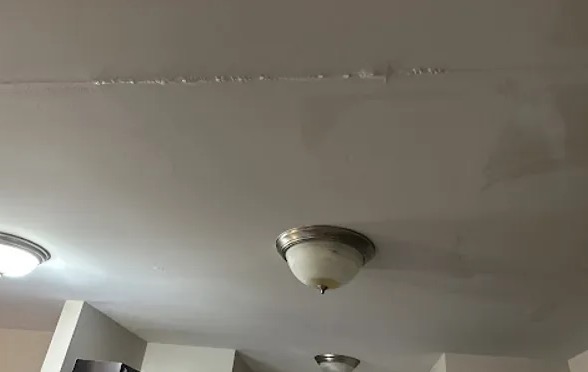
Professional Trim & Baseboard Replacement after Water Damage in Lake Forest Park, WA
In Lake Forest Park, water-damaged trim often means water has reached the wall and subfloor behind it. Fixing the trim alone can leave that moisture in place.
In Lake Forest Park and nearby locations, local baseboard replacement experts remove damaged trim and repair the wall behind it, drying to industry standards before replacement.
Detailed Trim & Baseboard Replacement after Water Damage Services for Lake Forest Park
Water Damaged Trim Removal
Careful removal of water-damaged trim prevents moisture from spreading into walls. The condition is documented for insurance purposes before disposal.
New Trim Paint Matching
New trim is painted to match the color and sheen of the existing trim so it blends in.
Baseboard Mold Inspection
An inspection for mold growth behind trim occurs after water exposure. Conditions are documented to support discussions with insurers about remediation in Lake Forest Park.
Trim Moisture Barrier Installation
Pros can add a moisture barrier behind new baseboards in Lake Forest Park homes to protect the wood and wall from future minor moisture.
Wall Repair Behind Trim
Wall repair behind trim addresses damage to drywall or plaster hidden by molding.
Symptoms Requiring Trim & Baseboard Replacement after Water Damage in Lake Forest Park
Musty Odors Near Walls
A persistent earthy smell along your baseboards often signals hidden mold growth behind the trim after a water leak.
Water Pooling at Baseboards
Standing water where the floor meets the trim needs to be removed before it wicks into the baseboard and wall.
Wet or Softened Trim
Wood trim that feels spongy or damp to the touch indicates prolonged water exposure and potential structural compromise.
Previous Water Leak History
Past incidents of plumbing leaks or flooding increase the risk of unseen moisture damage and mold behind baseboard.
How Trim & Baseboard Replacement after Water Damage Works in Lake Forest Park
Step 1: Documentation for Insurance Purposes
Before any work begins, the experts document the water damaged trim with photos and moisture readings.
Step 2: Controlled Demolition of Wet Trim
Damaged sections are removed carefully to keep dust down and avoid harming the wall.
Step 3: Drying and Mold Prevention Measures
The exposed wall cavity is dried using professional-grade equipment. The pros may apply antimicrobial agents to the area to inhibit future mold behind baseboard.
Step 4: Final Trim Matching and Sealing
New trim in the same profile and finish is installed, then caulked and painted for a water-resistant seal.
Frequent Sources of Baseboard Water Damage
Appliance Malfunction and Overflow
Faulty water heaters, washing machines, or dishwashers can leak large volumes of water, flooding floors and soaking baseboards.
Foundation Cracks and Seepage
Hairline cracks in a foundation or slab can permit groundwater seepage, wicking moisture up into baseboards and causing rot.
Storm-Driven Rain Penetration
Wind-driven rain during storms can force water through siding or brick mortar joints, leading to interior water damage and wet baseboards.
Plumbing Leaks Under Sinks
A slow drip or burst pipe under a kitchen or bathroom sink can saturate cabinetry and walls, damaging adjacent trim and baseboards.
Residential and Commercial Trim & Baseboard Replacement after Water Damage in Lake Forest Park
Residential Trim & Baseboard Replacement after Water Damage
Residential trim repair after a leak safeguards your home. The pros remove the damaged materials and install new, properly sealed trim so mold does not start behind it.
Commercial Trim & Baseboard Replacement after Water Damage
In commercial buildings, damaged baseboards can be a hazard. The pros replace them, repair flooring and document the work for insurance.
DIY Trim Repair vs. Professional Trim & Baseboard Replacement after Water Damage in Lake Forest Park
Homeowners can attempt to match paint color for a small trim section needing touch-up. Lightly sand the area before applying paint for better adhesion. Use painter's tape to protect walls and floors. For entire sections requiring new trim paint matching after water damage, rely on the experts.
Cost Considerations for Trim & Baseboard Replacement after Water Damage in Lake Forest Park
For properties in Lake Forest Park, the cost to prevent mold after a water leak behind baseboards includes specialized drying equipment and the time required for thorough moisture extraction.
Mold Inspection Needs
If mold is suspected behind the baseboard, inspection and containment add steps to the job.
Paint Matching Complexity
Matching existing paint for new trim paint matching can involve custom color blending, affecting the final stages of the restoration.
Wall Repair Scope
The extent of drywall repair after water damage behind the removed trim influences both material needs and overall project timeline.
Does Insurance Cover Trim & Baseboard Replacement after Water Damage?
For water damaged trim repair to be covered, the water source usually must be internal and unforeseen. Gradual leaks may not qualify. Report the damage promptly. The experts in Lake Forest Park follow industry-standard methods to create a thorough record.
Benefits of Local Experts for Trim & Baseboard Replacement after Water Damage in Lake Forest Park
Focused Material Expertise
Knowledge of various trim materials and installation techniques is applied for proper baseboard removal and installation after water damage.
Salvage Assessment
Evaluating every piece for trim salvage and drying potential can preserve original materials and reduce waste when conditions allow.
24/7 Emergency Response
Quick action on water incidents limits the extent of damage, making wet baseboard replacement more manageable and contained.
24/7 Emergency Trim Repair in Lake Forest Park
Wet trim and baseboards need drying before they swell. Call (425) 386-5713 any time to reach the pros in WA.
Call Now (425) 386-5713Trim & Baseboard Replacement after Water Damage Throughout the Lake Forest Park Region
Trim drying and mold inspection are available in Lake Forest Park, and the Kenmore, Brier and Mountlake Terrace area.
- Trim & Baseboard Replacement after Water Damage in Kenmore
- Trim & Baseboard Replacement after Water Damage in Brier
- Trim & Baseboard Replacement after Water Damage in Mountlake Terrace
- Trim & Baseboard Replacement after Water Damage in Shoreline
- Trim & Baseboard Replacement after Water Damage in Bothell
- Trim & Baseboard Replacement after Water Damage in Alderwood Manor
- Trim & Baseboard Replacement after Water Damage in Lynnwood
- Trim & Baseboard Replacement after Water Damage in Kirkland
- Emergency Damage Restoration in 98155
- Storm Damage Restoration in 98155
- Water Damage Restoration in 98155
- Water Extraction Service in 98155
- Water Leak Detection in 98155
- Water Removal Service in 98155
Frequently Asked Questions About Trim & Baseboard Replacement after Water Damage
Is drywall always removed during wet baseboard replacement?
Not always, but it is common. If wet or moldy, the drywall behind is removed to allow for proper drying and to ensure a clean substrate.
Can water damaged trim always be salvaged?
Not always. Pros try to dry and save trim first, but warped, split or moldy trim usually has to be replaced.
What is a trim moisture barrier?
A thin protective layer installed behind the new baseboard. It blocks minor moisture from wicking into the wood, which helps keep mold away.
How long does baseboard removal and installation take?
The timeline depends on the home's size, extent of moisture damage to trim, and whether wall drying or repair is needed.
What happens during water damaged trim removal?
Pros carefully remove trim to avoid further wall damage, label pieces for potential salvage, and inspect the exposed wall and floor for hidden moisture.