ZIP 98155 · Lake Forest Park, WA · King County
Water Damage Restoration in 98155Water Extraction & Mold Prevention After Water Damage
Water Damage Restoration in Lake Forest Park covers sewage cleanup, storm damage repair and structural drying.
Answered 24/7
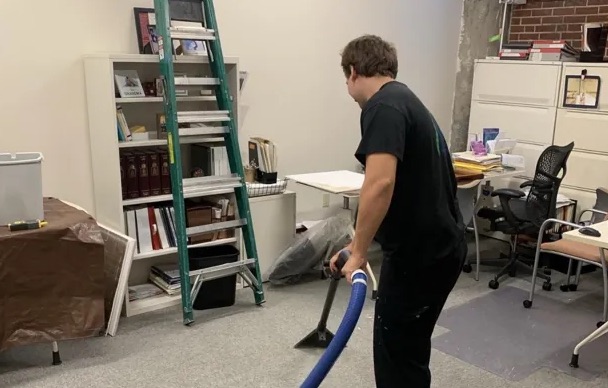
Professional Water Damage Restoration in 98155, WA
In Lake Forest Park, water damage can ruin floors, walls and belongings and lead to mold within days. Local water damage pros remove the water and dry the structure.
In Lake Forest Park and nearby Kenmore, Brier and Mountlake Terrace, the pros respond 24/7 to sewage backups and other water damage, extracting and drying until moisture readings are normal.
Water Damage Restoration Services in 98155
Water Extraction
Specialized extraction removes water from under flooring and within wall cavities. This addresses hidden moisture that can lead to major repairs. The pros in Lake Forest Park are equipped for this technical task.
Mold Prevention After Water Damage
Surfaces that stayed wet are cleaned and treated with an antimicrobial after drying in Lake Forest Park homes.
Structural Drying
Drying equipment is placed for good airflow, and readings are taken until the building is dry in Lake Forest Park.
Storm Damage Repair
Severe weather can damage the roof and let water inside. Pros in Lake Forest Park cover roof openings, secure the property and dry the wet interior.
Water Damage Repair
After drying, repair work addresses cosmetic and functional damage. This may mean replacing warped cabinets, swollen doors, or damaged subflooring.
Indicators of Water Damage in 98155 Homes
Sagging or Bubbling Drywall
Drywall that swells, sags or bubbles has absorbed a lot of water and needs drying or removal.
High Indoor Humidity Levels
A consistently sticky, humid feeling indoors can indicate poor drying. Professionals use tools to measure and correct moisture levels.
Musty Odors in Rooms
A persistent musty smell often means hidden moisture and mold growing behind walls or under floors.
Sewage Odor in Basement
A sewer smell points to a backup or broken line. Sewage needs protective gear and careful removal.
How Water Damage Restoration Works in 98155
Step 1: First Call and Inspection
An inspection after your call finds the type of water and how far it spread.
Step 2: Bulk Water and Sewage Cleanup
All bulk water, including hazardous Category 3 water from sewage backups, is removed. Specialized sewage cleanup protocols are used for safety.
Step 3: Detailed Moisture Removal
Moisture trapped in subfloors, drywall and insulation is pulled out with targeted drying.
Step 4: Property Restoration Completion
The final phase involves repairing or replacing damaged structural elements and finishes, with the goal of a dry, usable property.
Typical Water Damage Triggers in 98155
Appliance Malfunctions and Leaks
Water heaters, washing machines, dishwashers and refrigerators can leak or overflow suddenly and flood the floor.
Roof Leaks From Storm Damage
Wind-driven rain, hail or fallen debris can break through roofing and let water into the home.
Sewer Line Backups or Overflows
Blocked main sewer lines or septic failures can push sewage up into the home through drains.
Fire Suppression System Activation
Fire sprinklers that discharge during a fire or by accident put a lot of water into a building.
Residential and Commercial Water Damage Restoration in 98155
Residential Water Damage Restoration
Water damage in homes demands quick action to protect personal belongings and structure. The pros address leaks from appliances, roof failures, or plumbing to prevent mold.
Commercial Water Damage Restoration
For businesses, water damage halts operations and puts stock, equipment and data at risk. Pros extract water from offices, stores and warehouses and dry the structure to get you reopened.
DIY Limits and Water Damage Restoration Needs in 98155
For a minor bathroom overflow, use towels and a squeegee on tile. Check for water under the toilet base. Running a dehumidifier can help. If water is under baseboards or subfloor damage is suspected, professional water damage cleanup is necessary.
Understanding Water Damage Restoration Costs in 98155
Cost for water damage cleanup in Lake Forest Park depends heavily on the water's source. Clean water from a supply line is less complex than contaminated sewage, which demands specialized safety and disposal procedures, increasing overall expense.
Content Pack-Out Needs
The cost includes labor for moving, cleaning, and storing furniture and personal belongings to facilitate the flooded basement cleanup and drying process.
Affected Materials
Restoration costs vary if water damages drywall, hardwood floors, or custom cabinetry, as each material has different repair or replacement requirements.
Emergency Service Timing
Night and weekend extraction can carry a different rate than work during business hours.
Does Insurance Cover Water Damage Restoration?
Mold cleanup after water damage might be covered if the mold came from a sudden, covered leak. Coverage is often limited, so review your policy.
Advantages of Hiring Water Damage Pros in 98155
Content Restoration Focus
Attention is given to salvaging personal belongings through specialized techniques like wet carpet drying and content cleaning, when possible, during the restoration process.
Advanced Moisture Detection
Thermal cameras and moisture meters let the pros find hidden water in walls and subfloors so drying is complete.
Contamination Safety Protocols
For sewage or dirty flood water, the pros wear protective gear and treat surfaces to reduce health risks.
24/7 Emergency Water Damage Restoration in 98155
Sewer backups and major flooding need fast, safe handling. Call (425) 386-5713 24/7 for the pros to start sewage cleanup or water extraction.
Call Now (425) 386-5713Water Damage Restoration Near 98155: Areas Served
Water damage restoration is available in Lake Forest Park and nearby areas like Kenmore, Brier and Mountlake Terrace, from indoor leaks to storm flooding.
Common Water Damage Restoration Queries Answered
What does storm damage restoration involve?
It handles water that wind or rain let in, combining water removal, drying and repairs to the roof or siding.
What happens during the flood cleanup process?
Flood cleanup starts with pumping out standing water. Then, mud and debris are removed. The area is cleaned and disinfected.
Why can mold become a problem after water damage?
Mold can grow in damp materials within 24 to 48 hours. If moisture remains after drying, mold removal may be needed.
How do professionals handle a sewage backup cleanup?
Sewage cleanup requires strict safety protocols due to contaminants. The process involves removing the hazardous waste, thorough cleaning and disinfecting affected areas, and often removing porous materials that cannot be adequately sanitized.
How quickly should water extraction begin after a flood?
As soon as it is safe. Standing water speeds up damage, and mold can start within 24 to 48 hours.