Des Moines, WA · King County
Water Damage Restoration in Des Moines, WAWater Damage Repair & Water Removal
Water Damage Restoration in Des Moines involves water extraction, structural drying and water damage repair after leaks and floods.
Answered 24/7
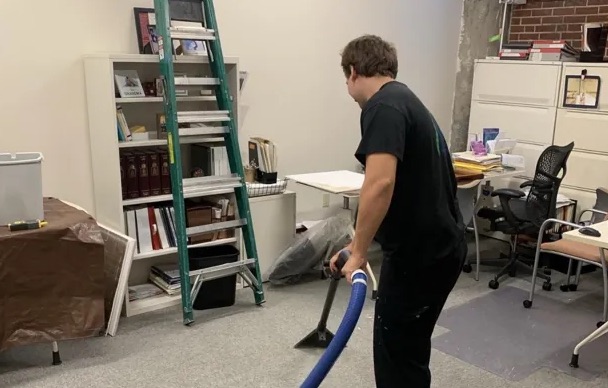
Water Damage Restoration Response in King County
In Des Moines, water damage disrupts daily life and can badly damage a property if it is not handled quickly. Local water removal pros remove the water and repair the damage.
In Des Moines and nearby Normandy Park, SeaTac and Kent, the pros respond 24/7 to sewage backups and other water damage, extracting and drying until moisture readings are normal.
Core Water Damage Restoration Methods Used in Des Moines
Water Damage Repair
Water damage repair reconstructs materials that could not be saved. It includes installing new drywall, baseboards, flooring, and paint.
Water Removal
Removing water right away stops it from spreading across floors and wicking up walls. The pros in Des Moines use pumps and extractors sized to the job.
Sewage Cleanup
A sewage spill is a biohazard. The pros in Des Moines remove the contaminated water, disinfect and clear the odor with the right protective gear.
Mold Prevention After Water Damage
Drying wet drywall, framing and carpet to normal readings limits the moisture mold needs in Des Moines homes.
Flood Cleanup
After a flood, the pros extract the water, clear debris and clean affected surfaces in Des Moines properties.
Indicators of Water Damage in Des Moines Homes
Wet Spots on Carpets
Carpet or pad that stays damp means water has soaked deep into the floor, where it can rot the subfloor.
Visible Mold Patches
Any visible mold, especially after a leak, means moisture has stayed long enough for spores to grow.
Sagging or Bubbling Drywall
Drywall that swells, sags or bubbles has absorbed a lot of water and needs drying or removal.
Cracked or Warping Floorboards
Hardwood floors that warp, cup, or crack are reacting to moisture. The pros can assess and begin drying.
How Water Damage Restoration Works in Des Moines
Step 1: First Call and Inspection
An inspection after your call finds the type of water and how far it spread.
Step 2: Bulk Water and Sewage Cleanup
All bulk water, including hazardous Category 3 water from sewage backups, is removed. Specialized sewage cleanup protocols are used for safety.
Step 3: Detailed Moisture Removal
Moisture trapped in subfloors, drywall and insulation is pulled out with targeted drying.
Step 4: Property Restoration Completion
The final phase involves repairing or replacing damaged structural elements and finishes, with the goal of a dry, usable property.
Why Properties in Des Moines Experience Water Damage
Roof Leaks From Storm Damage
Wind-driven rain, hail or fallen debris can break through roofing and let water into the home.
Bathroom Fixture Failures
Failed toilet seals, overflowing tubs and leaking shower pans soak carpet and subfloors over time.
Foundation Cracks and Seepage
Hydrostatic pressure can push groundwater through foundation cracks into basements. Flooded basement cleanup and exterior waterproofing are typical solutions.
Fire Suppression System Activation
Fire sprinklers that discharge during a fire or by accident put a lot of water into a building.
Home and Business Water Damage Restoration in Des Moines
Residential Water Damage Restoration
Attic water damage from roof leaks can ruin insulation and decking, affecting energy bills. The pros perform attic drying and may remove wet insulation.
Commercial Water Damage Restoration
Warehouses and plants need heavy-duty water removal over large areas after drainage failures or sprinkler discharges, to protect machinery and storage.
Hiring Water Removal Pros vs. DIY Water Damage Cleanup
Catch a small leak under a kitchen sink with a bucket, dry the cabinet and take out stored items. If the cabinet floor or the wall behind got soaked, have it checked for hidden moisture.
Cost Considerations for Water Damage Restoration in Des Moines
The total cost for water damage restoration in Des Moines is shaped by the affected square footage. Extensive flooding across multiple rooms requires more labor and equipment, elevating the final price.
Content Pack-Out Needs
The cost includes labor for moving, cleaning, and storing furniture and personal belongings to facilitate the flooded basement cleanup and drying process.
Drying Time Required
How long air movers and dehumidifiers must run affects equipment cost and job length.
Emergency Service Timing
Night and weekend extraction can carry a different rate than work during business hours.
Does Insurance Cover Water Damage Restoration?
Drying after a covered loss is often paid, subject to policy limits and deductibles. The pros provide drying records and equipment logs for your insurer.
The Case for Local Pros in Des Moines, WA
Integrated Service Approach
One set of pros handle the job from the first water removal to the final repairs.
IICRC-Standard Methods
The pros follow industry standards for water removal and drying, which helps prevent mold.
Detailed Damage Documentation
Pros systematically photograph the damage and record moisture readings, creating a clear visual and data record that can be useful for insurance purposes.
24/7 Emergency Water Damage Restoration in Des Moines
Sewer backups and major flooding need fast, safe handling. Call (425) 386-5713 24/7 for the pros to start sewage cleanup or water extraction.
Call Now (425) 386-5713Water Damage Restoration Near Des Moines: Areas Served
Across Des Moines and nearby Normandy Park, SeaTac and Kent, the pros extract water, dry and repair homes and businesses.
- Water Damage Restoration in Normandy Park
- Water Damage Restoration in SeaTac
- Water Damage Restoration in Kent
- Water Damage Restoration in Tukwila
- Water Damage Restoration in Burien
- Water Damage Restoration in Federal Way
- Water Damage Restoration in Auburn
- Water Damage Restoration in Seattle (West/South)
- Water Damage Restoration in 98198
Answers to Top Water Damage Restoration Questions
What is involved in the water damage restoration process?
The process begins with an assessment and emergency water extraction. Then, structural drying services using industrial equipment remove moisture.
Why can mold become a problem after water damage?
Mold can grow in damp materials within 24 to 48 hours. If moisture remains after drying, mold removal may be needed.
What is the difference between water removal and structural drying?
Water removal takes out standing water. Structural drying then removes moisture absorbed into drywall and wood with air movers and dehumidifiers.
What happens during the flood cleanup process?
Flood cleanup starts with pumping out standing water. Then, mud and debris are removed. The area is cleaned and disinfected.
Can water damage affect the structural integrity of a home?
Long exposure can weaken framing and drywall. Pros assess the damage and dry the structure before rot sets in.