ZIP 98148 · Seattle (West/South), WA · King County
Water Damage Restoration in 98148Mold Prevention After Water Damage & Water Extraction
Water Damage Restoration in Seattle (West/South) covers sewage cleanup, storm damage repair and structural drying.
Answered 24/7
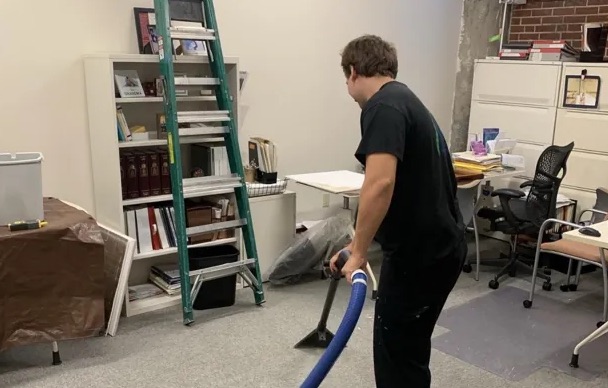
Water Damage Restoration Solutions in 98148, Washington
In Seattle (West/South), moisture that stays in a building leads to big repairs and health problems. Local restoration pros remove the water and dry out the hidden dampness, removing mold when needed.
Around the Seattle (West/South) community in Seattle, including Medina, Mercer Island and Hunts Point, the pros remove water from affected homes and businesses and dry the structure to keep mold from starting.
Detailed Water Damage Restoration Services for 98148
Mold Prevention After Water Damage
Drying wet drywall, framing and carpet to normal readings limits the moisture mold needs in Seattle (West/South) homes.
Water Extraction
Water extraction pulls moisture from saturated materials like carpets and padding. This deep process prevents warping and mold growth.
Sewage Cleanup
Sewage is Category 3 water. Cleanup includes removing the sewage, disinfecting surfaces and drying the area in Seattle (West/South).
Structural Drying
Drying equipment is placed for good airflow, and readings are taken until the building is dry in Seattle (West/South).
Water Damage Repair
Water damage repair reconstructs materials that could not be saved. It includes installing new drywall, baseboards, flooring, and paint.
Indicators of Water Damage in 98148 Homes
High Indoor Humidity Levels
A consistently sticky, humid feeling indoors can indicate poor drying. Professionals use tools to measure and correct moisture levels.
Cracked or Warping Floorboards
Hardwood floors that warp, cup, or crack are reacting to moisture. The pros can assess and begin drying.
Sagging or Bubbling Drywall
Drywall that swells, sags or bubbles has absorbed a lot of water and needs drying or removal.
Musty Odors in Rooms
A persistent musty smell often means hidden moisture and mold growing behind walls or under floors.
How Water Damage Restoration Works in 98148
Step 1: Source Stop and Water Extraction
First, the water source is contained or repaired. Then, experts perform thorough water extraction from all affected surfaces and materials.
Step 2: Air Circulation and Drying
Air movers push air across wet surfaces to speed up evaporation from floors and walls.
Step 3: Antimicrobial Application
After drying, surfaces that stayed wet are treated with an antimicrobial to help keep mold from starting.
Step 4: Repair and Documentation
Any necessary water damage repair is performed to restore the property. Detailed documentation, including photos, is compiled for your insurance provider.
Frequent Sources of Home Water Damage in 98148
Sewer Line Backups or Overflows
Blocked main sewer lines or septic failures can push sewage up into the home through drains.
Natural Flooding From Heavy Rain
Heavy rain can overwhelm drainage and send surface water inside through doors and low spots.
Roof Leaks From Storm Damage
Wind-driven rain, hail or fallen debris can break through roofing and let water into the home.
Fire Suppression System Activation
Fire sprinklers that discharge during a fire or by accident put a lot of water into a building.
Water Damage Restoration for All Property Types in 98148
Residential Water Damage Restoration
Attic water damage from roof leaks can ruin insulation and decking, affecting energy bills. The pros perform attic drying and may remove wet insulation.
Commercial Water Damage Restoration
Warehouses and plants need heavy-duty water removal over large areas after drainage failures or sprinkler discharges, to protect machinery and storage.
DIY Limits and Water Damage Restoration Needs in 98148
After heavy rain, check attics, basements and crawlspaces for new moisture and clear gutters and downspouts. Dripping, wet insulation or puddles need water extraction soon.
Water Damage Restoration Cost in 98148, WA
The total cost for water damage restoration in Seattle (West/South) is shaped by the affected square footage. Extensive flooding across multiple rooms requires more labor and equipment, elevating the final price.
Drying Time Required
How long air movers and dehumidifiers must run affects equipment cost and job length.
Content Pack-Out Needs
The cost includes labor for moving, cleaning, and storing furniture and personal belongings to facilitate the flooded basement cleanup and drying process.
Secondary Damage Remediation
Extra work like mold removal or storm repairs adds its own scope and cost.
Does Insurance Cover Water Damage Restoration?
Insurance coverage for water damage restoration depends on a policy's cause-of-loss terms. Sudden events like a burst pipe are often covered. Gradual leaks may not be.
Advantages of Hiring Restoration Pros in 98148
Integrated Service Approach
One set of pros handle the job from the first water removal to the final repairs.
Comprehensive Water Extraction
Industrial pumps and extractors remove standing water in homes and commercial buildings.
Detailed Damage Documentation
Pros systematically photograph the damage and record moisture readings, creating a clear visual and data record that can be useful for insurance purposes.
24/7 Water Damage Restoration Help in 98148, WA
When water damage strikes your home or business, every hour counts. Prompt water extraction minimizes structural harm and mold risk. For 24/7 emergency response from the pros in Seattle (West/South), dial (425) 386-5713 to start the restoration process.
Call Now (425) 386-5713Water Damage Restoration Coverage in and Around ZIP 98148
In Seattle (West/South), the pros handle flood cleanup and mold removal for homes and businesses, and also serve Medina, Mercer Island and Hunts Point.
Frequently Asked Water Damage Restoration Questions
Why can mold become a problem after water damage?
Mold can grow in damp materials within 24 to 48 hours. If moisture remains after drying, mold removal may be needed.
What does storm damage restoration involve?
It handles water that wind or rain let in, combining water removal, drying and repairs to the roof or siding.
How do professionals handle a sewage backup cleanup?
Sewage cleanup requires strict safety protocols due to contaminants. The process involves removing the hazardous waste, thorough cleaning and disinfecting affected areas, and often removing porous materials that cannot be adequately sanitized.
What happens during the flood cleanup process?
Flood cleanup starts with pumping out standing water. Then, mud and debris are removed. The area is cleaned and disinfected.
How quickly should water extraction begin after a flood?
As soon as it is safe. Standing water speeds up damage, and mold can start within 24 to 48 hours.