ZIP 98188 · SeaTac, WA · King County
Water Damage Restoration in 98188Water Extraction & Sewage Cleanup
Water Damage Restoration in SeaTac covers water removal, sewage cleanup and storm damage repair.
Answered 24/7
Expert Water Damage Restoration for Properties in 98188
In SeaTac, water damage can ruin floors, walls and belongings and lead to mold within days. Local water damage pros remove the water and dry the structure.
In SeaTac and nearby Tukwila, Normandy Park and Des Moines, the pros clean up sewage backups and repair water damage step by step, drying the structure until readings are normal.
The Water Damage Restoration Process in 98188, WA
Water Extraction
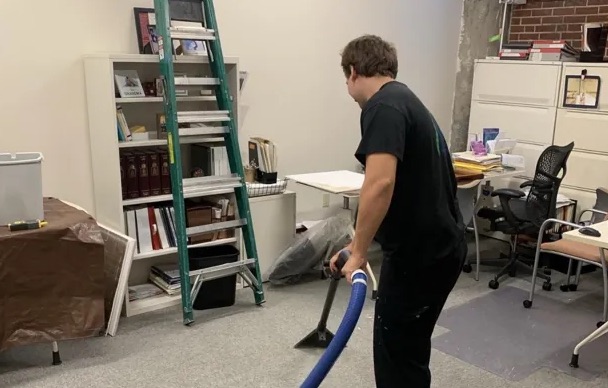
Powerful wands pull water out of carpet, pad and subfloor that pumps cannot reach. Getting more water out up front shortens drying time in SeaTac homes.
Sewage Cleanup
A sewage backup introduces harmful pathogens. The process extracts contaminated water and removes unsalvageable porous materials.
Flood Cleanup
After a flood, the pros extract the water, clear debris and clean affected surfaces in SeaTac properties.
Structural Drying
Structural drying stabilizes the property to prevent secondary damage. It requires knowledge of drying science and the right equipment. For properties in SeaTac, this service is fundamental.
Mold Prevention After Water Damage
Prompt drying is the main way to keep mold from starting after water damage. Materials that stay wet for a day or two are at risk.
When to Call for Water Damage Restoration in 98188
Wet Spots on Carpets
Carpet or pad that stays damp means water has soaked deep into the floor, where it can rot the subfloor.
Water Stains on Ceilings
Yellow or brown ceiling stains indicate an ongoing water leak from above. The pros should inspect to identify the hidden source.
Musty Odors in Rooms
A persistent musty smell often means hidden moisture and mold growing behind walls or under floors.
Sagging or Bubbling Drywall
Drywall that swells, sags or bubbles has absorbed a lot of water and needs drying or removal.
How Water Damage Restoration Works in 98188
Step 1: Source Stop and Water Extraction
First, the water source is contained or repaired. Then, experts perform thorough water extraction from all affected surfaces and materials.
Step 2: Air Circulation and Drying
Air movers push air across wet surfaces to speed up evaporation from floors and walls.
Step 3: Antimicrobial Application
After drying, surfaces that stayed wet are treated with an antimicrobial to help keep mold from starting.
Step 4: Repair and Documentation
Any necessary water damage repair is performed to restore the property. Detailed documentation, including photos, is compiled for your insurance provider.
Typical Water Damage Triggers in 98188
Natural Flooding From Heavy Rain
Heavy rain can overwhelm drainage and send surface water inside through doors and low spots.
Bathroom Fixture Failures
Failed toilet seals, overflowing tubs and leaking shower pans soak carpet and subfloors over time.
Sewer Line Backups or Overflows
Blocked main sewer lines or septic failures can push sewage up into the home through drains.
Faulty or Clogged Gutters
Gutters that overflow or detach pour water against the home's siding. This leads to wall and basement water damage over time.
Both Residential & Commercial Water Damage Restoration in 98188, WA
Residential Water Damage Restoration
Attic water damage from roof leaks can ruin insulation and decking, affecting energy bills. The pros perform attic drying and may remove wet insulation.
Commercial Water Damage Restoration
Warehouses and plants need heavy-duty water removal over large areas after drainage failures or sprinkler discharges, to protect machinery and storage.
Hiring Local Pros vs. DIY Water Damage Cleanup
Catch a small leak under a kitchen sink with a bucket, dry the cabinet and take out stored items. If the cabinet floor or the wall behind got soaked, have it checked for hidden moisture.
Cost Considerations for Water Damage Restoration in 98188
Accessibility to the damaged area impacts the price. Water removal from an open basement differs from a confined crawl space, which may require specialized equipment and additional time for the pros.
Area Accessibility
Difficult-to-access areas like crawl spaces or attics may require specialized equipment, increasing the time and cost for the experts to complete the work.
Secondary Damage Remediation
Extra work like mold removal or storm repairs adds its own scope and cost.
Drying Time Required
How long air movers and dehumidifiers must run affects equipment cost and job length.
Does Insurance Cover Water Damage Restoration?
Drying after a covered loss is often paid, subject to policy limits and deductibles. The pros provide drying records and equipment logs for your insurer.
The Case for Local Water Damage Pros in 98188, WA
IICRC-Standard Methods
The pros follow industry standards for water removal and drying, which helps prevent mold.
Comprehensive Water Extraction
Industrial pumps and extractors remove standing water in homes and commercial buildings.
Contamination Safety Protocols
For sewage or dirty flood water, the pros wear protective gear and treat surfaces to reduce health risks.
24/7 Water Damage Restoration Help in 98188, WA
Storm damage and plumbing failures can happen at any time. Call (425) 386-5713 day or night for emergency water damage cleanup and repair from local pros.
Call Now (425) 386-5713Water Damage Restoration Coverage in and Around ZIP 98188
From SeaTac to Tukwila, Normandy Park and Des Moines, the pros dry wet carpet and structures and repair storm damage.
Answers to Top Water Damage Restoration Questions
What happens during the flood cleanup process?
Flood cleanup starts with pumping out standing water. Then, mud and debris are removed. The area is cleaned and disinfected.
Why can mold become a problem after water damage?
Mold can grow in damp materials within 24 to 48 hours. If moisture remains after drying, mold removal may be needed.
Can wet carpet be saved after water damage?
Wet carpet drying may be possible if extraction begins quickly and the water is clean. Contaminated water often requires disposal. The pros assess the carpet, pad, and subfloor to determine if salvage is feasible.
What does storm damage restoration involve?
It handles water that wind or rain let in, combining water removal, drying and repairs to the roof or siding.
What is the difference between water removal and structural drying?
Water removal takes out standing water. Structural drying then removes moisture absorbed into drywall and wood with air movers and dehumidifiers.