Stanwood, WA · Snohomish County
Water Damage Restoration in Stanwood, WAStructural Drying & Mold Prevention After Water Damage
Water Damage Restoration in Stanwood covers sewage cleanup, storm damage repair and structural drying.
Answered 24/7
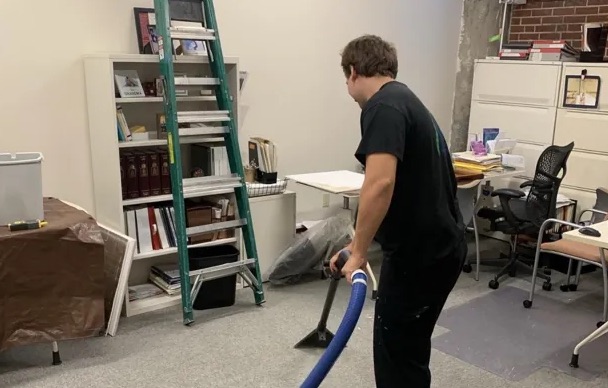
Water Damage Restoration Solutions in Stanwood, Washington
For homes and businesses in Stanwood, fast action prevents weakened structure and mold. Local water damage pros clean up floods and dry the building with professional tools.
In Stanwood and nearby Arlington, Mount Vernon and Oak Harbor, local water removal pros respond 24/7 to sewage backups and other water damage, extracting and drying until moisture readings are normal.
Comprehensive Water Damage Restoration Offerings in Stanwood
Structural Drying
Structural drying stabilizes the property to prevent secondary damage. It requires knowledge of drying science and the right equipment. For properties in Stanwood, this service is fundamental.
Mold Prevention After Water Damage
Prompt drying is the main way to keep mold from starting after water damage. Materials that stay wet for a day or two are at risk.
Water Removal
Removing water right away stops it from spreading across floors and wicking up walls. The pros in Stanwood use pumps and extractors sized to the job.
Water Extraction
Water extraction pulls moisture from saturated materials like carpets and padding. This deep process prevents warping and mold growth.
Water Damage Repair
Water damage repair fixes or replaces materials permanently affected by moisture. It transforms a dried, damaged space back into a finished room.
Symptoms Requiring Water Damage Restoration in Stanwood
Wet or Damp Attic Insulation
Damp insulation in the attic loses effectiveness and can rot wood. Attic drying and removal may be necessary for proper repair.
Cracked or Warping Floorboards
Hardwood floors that warp, cup, or crack are reacting to moisture. The pros can assess and begin drying.
Visible Mold Patches
Any visible mold, especially after a leak, means moisture has stayed long enough for spores to grow.
High Indoor Humidity Levels
A consistently sticky, humid feeling indoors can indicate poor drying. Professionals use tools to measure and correct moisture levels.
How Water Damage Restoration Works in Stanwood
Step 1: Assessment and Moisture Mapping
Pros use sensors and cameras to map the full extent of moisture in materials.
Step 2: Flood Water Removal
Heavy-duty pumps and extractors eliminate all pooling water from the affected area. Fast flood cleanup prevents secondary damage and mold growth.
Step 3: Targeted Drying Procedures
Specialized drying equipment is aimed at hard-to-reach areas like subfloors and the insides of walls.
Step 4: Mold Prevention and Restoration
Areas are treated to inhibit mold, followed by necessary reconstruction. The final step aims to return your space to its pre-damage condition.
Typical Water Damage Triggers in Stanwood
Sewer Line Backups or Overflows
Blocked main sewer lines or septic failures can push sewage up into the home through drains.
Faulty or Clogged Gutters
Gutters that overflow or detach pour water against the home's siding. This leads to wall and basement water damage over time.
Roof Leaks From Storm Damage
Wind-driven rain, hail or fallen debris can break through roofing and let water into the home.
Natural Flooding From Heavy Rain
Heavy rain can overwhelm drainage and send surface water inside through doors and low spots.
Residential and Commercial Water Damage Restoration in Stanwood
Residential Water Damage Restoration
Attic water damage from roof leaks can ruin insulation and decking, affecting energy bills. The pros perform attic drying and may remove wet insulation.
Commercial Water Damage Restoration
Warehouses and plants need heavy-duty water removal over large areas after drainage failures or sprinkler discharges, to protect machinery and storage.
Water Damage Restoration vs. DIY: When to Call Local Pros
For a minor bathroom overflow, use towels and a squeegee on tile. Check for water under the toilet base. Running a dehumidifier can help. If water is under baseboards or subfloor damage is suspected, professional water damage cleanup is necessary.
What Influences Water Damage Restoration Cost in Stanwood?
In Stanwood, the materials involved affect the price. Drywall is simpler to dry or replace than hardwood or cabinets, which may need refinishing or replacement.
Drying Time Required
How long air movers and dehumidifiers must run affects equipment cost and job length.
Area Accessibility
Difficult-to-access areas like crawl spaces or attics may require specialized equipment, increasing the time and cost for the experts to complete the work.
Secondary Damage Remediation
Extra work like mold removal or storm repairs adds its own scope and cost.
Does Insurance Cover Water Damage Restoration?
Water extraction may be covered if the cause is a named peril in a homeowner's policy. Confirm with your insurer first. The pros document the scope with photos and moisture maps, creating a record for your insurance company's review.
Benefits of Local Pros for Water Damage Restoration in Stanwood
Integrated Service Approach
One set of pros handle the job from the first water removal to the final repairs.
IICRC-Standard Methods
The pros follow industry standards for water removal and drying, which helps prevent mold.
Contamination Safety Protocols
For sewage or dirty flood water, the pros wear protective gear and treat surfaces to reduce health risks.
Round-the-Clock Water Damage Restoration in Stanwood
A flooded basement or sewage backup requires urgent professional attention to protect your property and health. Don't delay. Reach the pros in Stanwood for assistance by calling (425) 386-5713.
Call Now (425) 386-5713Water Damage Restoration Service Area Including Stanwood, WA
Other places served are listed below, each with its own page.
- Water Damage Restoration in Arlington
- Water Damage Restoration in Mount Vernon
- Water Damage Restoration in Oak Harbor
- Water Damage Restoration in Marysville
- Water Damage Restoration in Burlington
- Water Damage Restoration in Darrington
- Water Damage Restoration in Port Townsend
- Water Damage Restoration in Graham
Water Damage Restoration FAQs
Can wet carpet be saved after water damage?
Wet carpet drying may be possible if extraction begins quickly and the water is clean. Contaminated water often requires disposal. The pros assess the carpet, pad, and subfloor to determine if salvage is feasible.
How do restoration pros document water damage for insurance?
Photos and video of the damage, moisture and thermal readings and notes describing the scope of work for the claim file.
How do professionals handle a sewage backup cleanup?
Sewage cleanup requires strict safety protocols due to contaminants. The process involves removing the hazardous waste, thorough cleaning and disinfecting affected areas, and often removing porous materials that cannot be adequately sanitized.
What equipment is used for emergency water extraction?
The experts use truck-mounted or portable submersible pumps for large volumes and industrial-grade wet/dry vacuums for residual water.
Can contents and furniture be restored after water damage?
Many contents can be restored through professional cleaning and drying techniques like ultrasonic cleaning or freeze-drying.