Clyde Hill, WA · King County
Basement Water Damage Restoration in Clyde Hill, WAEmergency Basement Flood Cleanup & Basement Water Extraction
Basement Water Damage Restoration in Clyde Hill runs from basement water extraction and basement floor water removal to basement dehumidification.
Answered 24/7
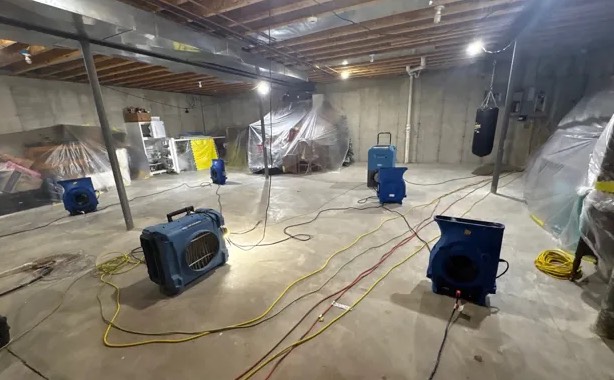
Basement Water Damage Restoration Solutions in Clyde Hill, Washington
Sewage backups are one of the most common problems in any basement or lower level, including in Clyde Hill. Water coming up through a floor drain or basement toilet carries bacteria and needs a different cleanup than clean water.
One burst pipe or heavy storm in Clyde Hill can flood a basement. Local water removal pros serve Clyde Hill and nearby Medina, Hunts Point and Yarrow Point, with help available around the clock.
The Basement Water Damage Restoration Process in Clyde Hill
Emergency Basement Flood Cleanup
A flooded basement can damage furnaces, water heaters and stored items quickly. Fast pumping limits how much is lost.
Basement Water Extraction
Submersible pumps remove deep standing water, then portable extractors pull water from carpet, pad and the concrete floor.
Basement Mold Prevention
Fast extraction and drying are the main ways to limit microbial growth in a basement. Surfaces that stayed wet can be treated once dry.
Basement Wall Drying
Finished basement walls hide wet insulation and framing. Removing the bottom of the drywall lets air reach the cavity.
Basement Dehumidification
Large dehumidifiers pull moisture from the basement air so walls, framing and the slab can release their water.
Indicators for Basement Water Damage Restoration in Clyde Hill
Warped or Buckling Basement Floors
Laminate, wood or vinyl flooring that buckles or lifts in the basement has water underneath.
Damp or Musty Odors
A damp, earthy or musty smell in the basement often means hidden moisture in walls, carpet or the slab.
High Humidity Levels Below-Grade
A basement that stays damp and clammy even on dry days has a moisture source that needs attention.
Efflorescence on Concrete Walls
White, chalky deposits on concrete walls mean water is moving through the concrete and leaving minerals behind.
How Basement Water Damage Restoration Works in Clyde Hill
Step 1: Initial Assessment and Water Removal
The source and type of water are identified, and standing water is removed right away.
Step 2: Focused Drying of Materials
Walls, framing and the slab are dried with directed airflow, with wet insulation removed.
Step 3: Air Quality Management
Air scrubbers filter dust and odors from removal work while drying continues.
Step 4: Documentation for Restoration
Photos, readings and a list of removed materials are prepared for insurance and rebuilding.
Frequent Sources of Water Damage in Clyde Hill
Sump Pump Mechanical Failure
A sump pump that fails, loses power or is too small lets groundwater rise into the basement.
Plumbing Pipe Bursts or Leaks
Supply lines and drain pipes in basement ceilings can crack or burst onto the floor below.
Window Well Flooding
Window wells without drains or covers fill with rain and leak through basement windows.
Faulty Basement Waterproofing
Old or failed waterproofing on foundation walls lets water through during wet weather.
Residential and Commercial Basement Water Damage Restoration in Clyde Hill
Residential Basement Water Damage Restoration
In homes, a flooded basement often means damaged carpet, drywall, a furnace or water heater and stored belongings. Water is pumped out, contents are moved and the space is dried.
Commercial Basement Water Damage Restoration
In commercial buildings, basements hold mechanical rooms, storage and sometimes offices. Water is removed and equipment areas are dried so systems can be checked and restarted.
DIY vs. Professional Basement Water Damage Restoration in Clyde Hill
Keeping gutters and downspouts clear and checking water heater and washer hoses are good DIY steps before storm season. Once water is on the floor, call (425) 386-5713.
What Influences Basement Water Damage Restoration Cost in Clyde Hill
In Clyde Hill, basement jobs often run longer than upper-floor jobs because concrete dries slowly. Equipment days make up much of the bill.
Water Category
Clean water costs less to handle than sewage, which needs protective gear, removal and disinfection.
Access Complexity
Narrow stairs, low ceilings and stored contents can make the work slower.
Dehumidification Needs
Large dehumidifiers may need to run longer in below-grade spaces than in upper floors.
Does Insurance Cover Basement Water Damage Restoration?
Coverage for basement water damage restoration depends on where the water came from and your policy terms. The pros document the damage, and your insurer decides what is covered.
Reasons to Hire Local Pros for Basement Water Damage Restoration in Clyde Hill
Industrial-Grade Equipment
Pumps, extractors and large dehumidifiers remove water much faster than household wet vacs and fans.
Water Extraction First
Water is removed from floors, carpet and pad before drying starts, which shortens drying time.
Structural Integrity Assessment
Walls, stairs and framing are checked for damage before work begins in the basement.
Round-the-Clock Emergency Basement Water Damage Restoration in Clyde Hill
Water rising in your basement in Clyde Hill? Shut off power to the basement if it is safe, move what you can and call (425) 386-5713. Help is available 24/7.
Call Now (425) 386-5713Local Basement Water Damage Restoration Coverage: Clyde Hill and Beyond
Help with basement water damage restoration reaches Medina, Hunts Point and Yarrow Point, plus other communities around Clyde Hill, for finished and unfinished basements alike.
- Basement Water Damage Restoration in Medina
- Basement Water Damage Restoration in Hunts Point
- Basement Water Damage Restoration in Yarrow Point
- Basement Water Damage Restoration in Bellevue
- Basement Water Damage Restoration in Kirkland
- Basement Water Damage Restoration in Beaux Arts Village
- Basement Water Damage Restoration in Mercer Island
- Basement Water Damage Restoration in Newcastle
Basement Water Damage Restoration Common Questions Answered
What health risks come with delayed basement flood cleanup?
Standing water and wet materials can support bacteria and microbial growth, and sewage carries contaminants that need disinfection.
What are signs of hidden moisture after below-grade water extraction?
Musty smells, tide lines on walls, damp carpet edges and moisture readings that stay high in walls or the slab.
How is basement sewer backup cleanup different from regular flooding?
Sewage carries bacteria, so it needs protective gear, removal of porous materials and disinfection before drying.
Does basement mold prevention need special steps after flooding?
Fast drying is the main step. Wood and concrete that stayed wet can be treated with an antimicrobial once dry.
Should I try below-grade waterproofing myself after flooding?
Sealing a small crack can be a DIY job, but drying must come first, and larger waterproofing work should go to a contractor.