Edmonds, WA · Snohomish County
HVAC Leak Water Removal in Edmonds, WAEmergency HVAC Leak Cleanup & Moisture Remediation For HVAC Systems
HVAC Leak Water Removal in Edmonds handles coil leak water damage repair, HVAC drain line flood cleanup and moisture remediation for HVAC systems.
Answered 24/7
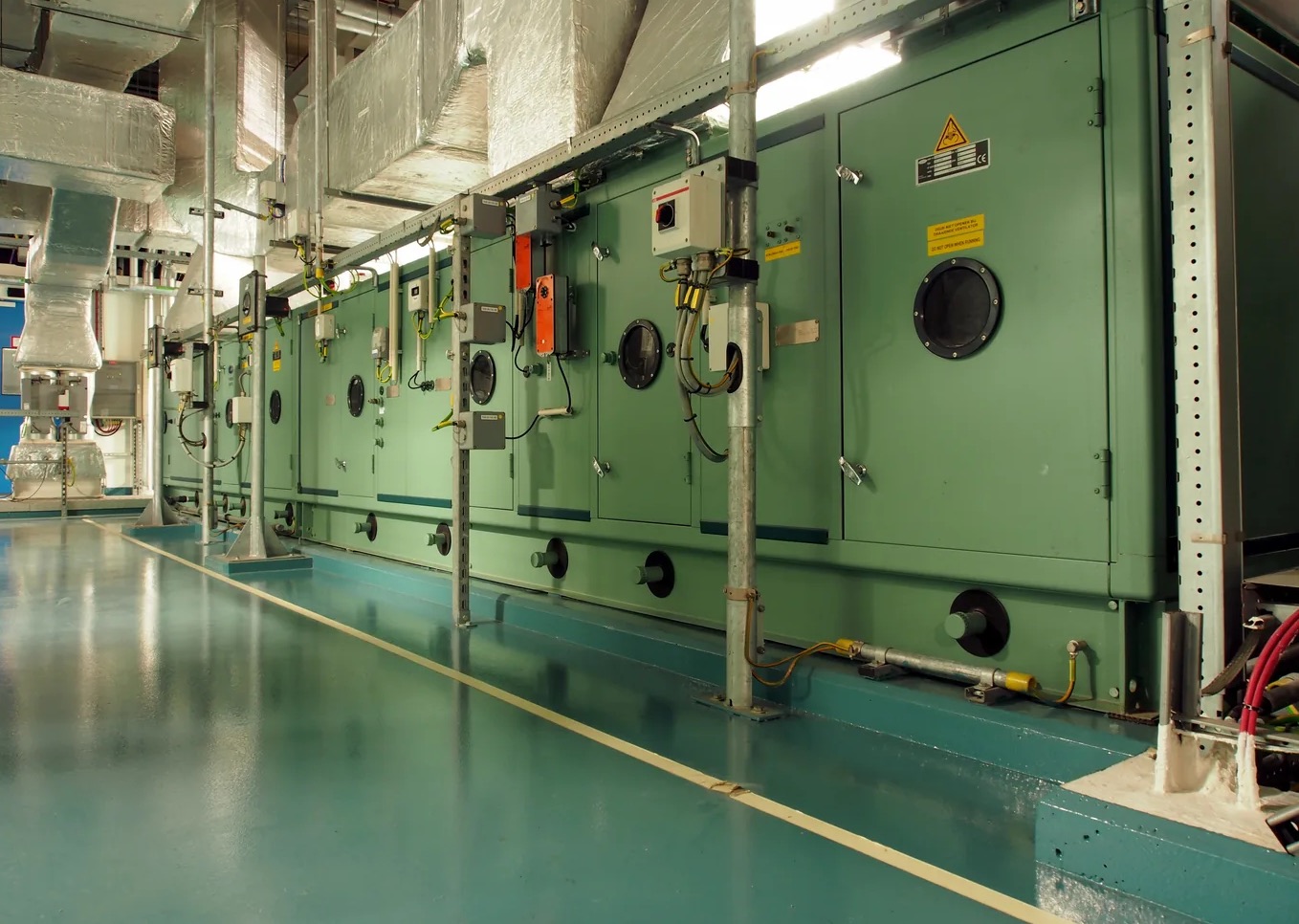
Local HVAC Leak Water Removal for Edmonds, Washington
An HVAC leak in Edmonds rarely stays at the unit. Water runs out of the pan, across the closet floor and under walls, and attic units drip straight through the ceiling below.
When an HVAC leak occurs in Edmonds, water needs to come out quickly to protect interior finishes and electrical systems. Local water removal pros serve this community and nearby areas like Lynnwood, Mountlake Terrace and Shoreline, extracting water around the unit and drying wet ductwork before damage spreads.
Complete HVAC Leak Water Removal Services for Edmonds
Emergency HVAC Leak Cleanup
An overflowing secondary pan or a broken drain line needs cleanup right away. Local water damage pros mobilize to extract water and assess electrical safety.
Moisture Remediation for HVAC Systems
Removing standing water is only the first part. Moisture meters show water still held in drywall, insulation and wood, and readings continue until they are dry.
Ductwork Condensation Water Removal
Wet, sagging insulation around ducts signals a condensation problem. Cleanup involves water extraction and drying of duct surfaces and insulation.
HVAC Drain Line Flood Cleanup
A completely blocked primary condensate drain line can overflow the secondary pan. Cleanup requires extracting the spilled water and clearing the line.
Coil Leak Water Damage Repair
A leaking evaporator or condenser coil drips water into the system or onto the floor. Repair begins with extracting all moisture.
Warning Signs You Need HVAC Leak Water Removal
AC Drain Line Overflowing
Water spilling from the condensate drain line or its overflow port means the drain is blocked and needs attention now.
Visible Rust on Metal Components
Rust forming on the evaporator coil cabinet, drain pan, or supports indicates prolonged moisture exposure.
Stained Ceilings or Walls Near Vents
Stains on drywall or ceilings around supply vents often trace back to ducts that are sweating or leaking.
Unusual Sounds From the AC Unit
Gurgling, dripping, or hissing noises from the indoor unit frequently accompany a condensate drainage failure.
How HVAC Leak Water Removal Works in Edmonds
Step 1: Water Removal Initiation
The pros use pumps and wet vacuums to remove the bulk water from a flooded drain line area.
Step 2: Detailed Moisture Detection
Meters and thermal cameras check concealed spaces so no wet spot behind a wall or above a ceiling is missed.
Step 3: Controlled Drying Environment
Professionals create a controlled environment with dehumidifiers and air movers to dry wet ductwork, insulation and building materials.
Step 4: Final Clearance and Prevention Advice
A final check confirms everything is dry, and you get tips on keeping the condensate drain clear.
Frequent Sources of HVAC Leak Water Damage in Edmonds
Clogged Condensate Drain Line
Algae, sludge, or debris blocking the primary drain pipe causes water to back up into the HVAC cabinet.
Failed Condensate Pump
A condensate pump that fails in an attic or utility room cannot move water to the drain, so the reservoir overflows.
Cracked or Disconnected Drain Pan
A damaged or misaligned secondary drain pan beneath the evaporator coil fails to catch condensation overflow.
Refrigerant Leak at the Coil
A pinhole leak in the evaporator coil itself can allow refrigerant and moisture to escape simultaneously.
HVAC Leak Water Removal for Homes & Businesses in Edmonds
Residential HVAC Leak Water Removal
In homes with basements or a second-floor unit, an overflow can soak finished rooms below. The water is extracted and the ceiling, walls and floor are dried.
Commercial HVAC Leak Water Removal
In commercial buildings, the pros tackle HVAC drain line flood cleanup affecting server rooms, drop ceilings, and stock areas. They use industrial extractors and dehumidifiers for extraction and structural drying.
HVAC Leak Water Removal vs. DIY: When to Call Local Pros
If a condensate pump is involved, check that it is plugged in and listen for operation. Ensure the discharge tube is not kinked. Do not disassemble the pump. For a leaking AC unit repair involving the coil or refrigerant, specialized training is required.
Cost Insights for HVAC Leak Water Removal in Edmonds
The pros in Edmonds price the job based on how long the leak ran and how much it damaged. Wet ducts inside walls or ceilings take extra work to reach.
Water Contamination Category
Clean condensate is simpler to handle than dirty overflow from a drain line, which needs extra cleaning.
Affected Components and Materials
Wet insulation, damaged ductwork or wiring near the flooded unit each add work to the job.
Drying Time and Equipment
The number of days ducts and materials take to dry decides how long the dehumidifiers run.
Does Insurance Cover HVAC Leak Water Removal?
AC unit water damage coverage hinges on the leak source. Sudden failures like a burst drain line may be covered, while gradual neglect often is not. Homeowners should confirm specifics with their insurer.
Why Local Experts for HVAC Leak Water Removal in Edmonds
Focused on System Integrity
The goal is a dry unit area and dry materials around it, so the system can run safely again.
Component-Safe Water Removal
Work around the unit is done carefully so coils, wiring and control boards are not damaged further.
HVAC-Specific Moisture Detection
Moisture meters and thermal cameras find water in ducts, insulation and cabinets that you cannot see.
Urgent HVAC Leak Water Removal Response in Edmonds
Water damaged HVAC components risk mold and system failure. For HVAC leak water removal in Edmonds, call (425) 386-5713 at any hour.
Call Now (425) 386-5713HVAC Leak Water Removal Service Area Around Edmonds
Emergency water removal around a flooded HVAC unit is available throughout Edmonds and nearby communities, including Lynnwood, Mountlake Terrace and Shoreline. Quick action limits damage to sensitive components.
- HVAC Leak Water Removal in Lynnwood
- HVAC Leak Water Removal in Mountlake Terrace
- HVAC Leak Water Removal in Shoreline
- HVAC Leak Water Removal in Alderwood Manor
- HVAC Leak Water Removal in Brier
- HVAC Leak Water Removal in Picnic Point
- HVAC Leak Water Removal in Lake Forest Park
- HVAC Leak Water Removal in Martha Lake
- Emergency Damage Restoration in 98020
- Storm Damage Restoration in 98020
- Water Damage Restoration in 98020
- Water Extraction Service in 98020
- Water Leak Detection in 98020
- Water Removal Service in 98020
- Emergency Damage Restoration in 98026
- Storm Damage Restoration in 98026
Frequently Asked Questions About HVAC Leak Water Removal
What's the difference between water extraction and drying?
Extraction removes the liquid water. Drying uses dehumidifiers and air movers to pull out the moisture left in insulation, drywall and wood.
What are signs of a leaking AC unit indoors?
Water around the indoor unit, stains on nearby walls or ceilings, a musty smell, or the system shutting off because its float switch tripped.
What is involved in HVAC leak water removal?
Stopping the leak, extracting standing water, drying the ducts, cabinet area, walls and floor, and checking for hidden moisture with meters.
Is emergency HVAC leak cleanup necessary?
It is when water is spreading. Removing it early keeps it from reaching walls, ceilings and the rooms nearby, which keeps the damage smaller.
How is moisture removed from HVAC ductwork?
Air movers and dehumidifiers dry the area around the ducts. Duct sections or lining that stayed wet may need cleaning or replacing by an HVAC contractor.