Lynnwood, WA · Snohomish County
HVAC Leak Water Removal in Lynnwood, WAEmergency HVAC Leak Cleanup & Coil Leak Water Damage Repair
HVAC Leak Water Removal in Lynnwood includes emergency HVAC leak cleanup, wet insulation removal near HVAC and coil leak water damage repair.
Answered 24/7
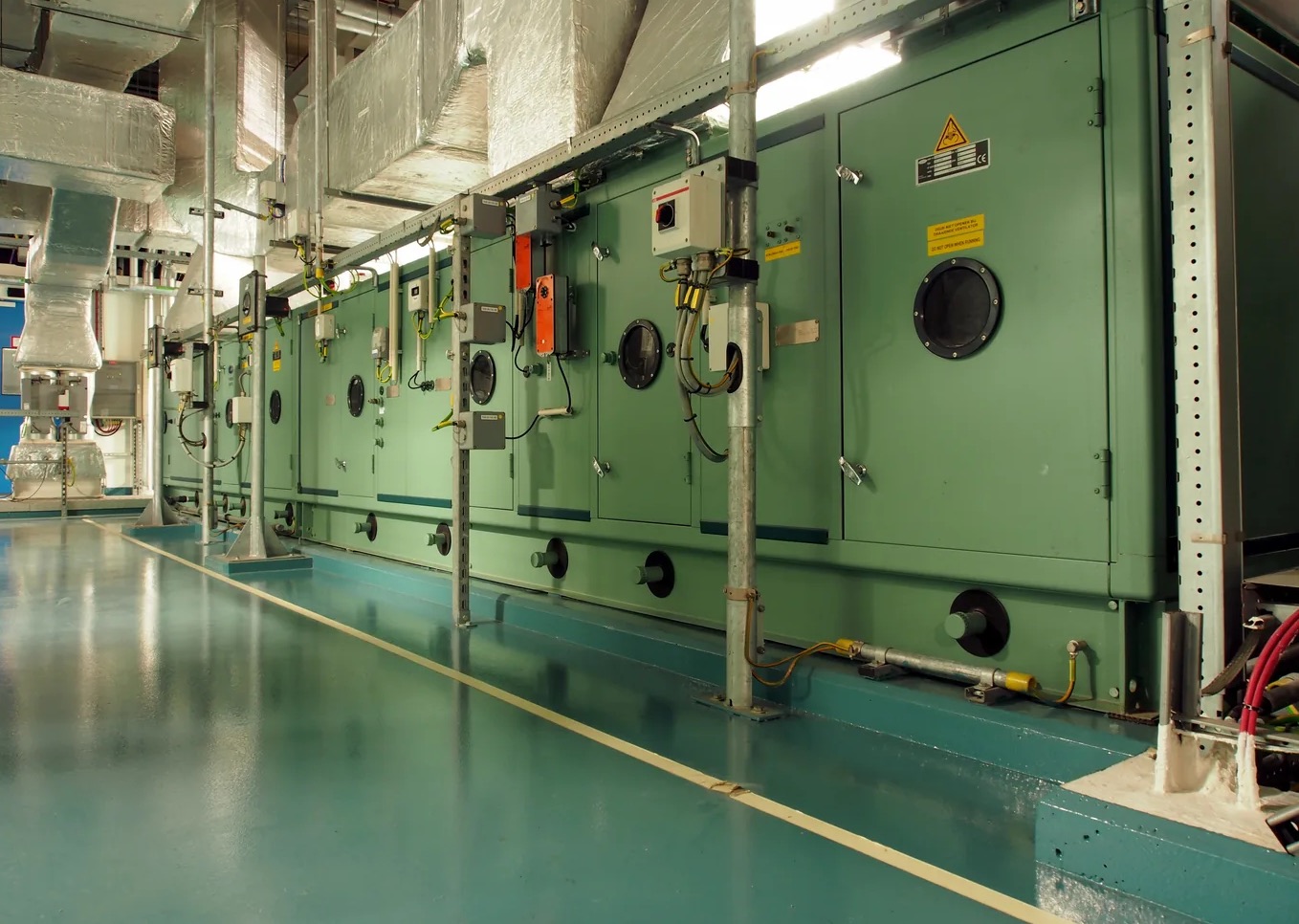
HVAC Leak Water Removal Services for Lynnwood Residents
Water from a failed drain line or condensate pump in Lynnwood travels further than it looks. It follows framing and ducts into wall cavities and the rooms next to the unit.
When an HVAC leak occurs in Lynnwood, water needs to come out quickly to protect interior finishes and electrical systems. Local water removal pros serve this community and nearby areas like Alderwood Manor, Mountlake Terrace and Brier, extracting water around the unit and drying wet ductwork before damage spreads.
HVAC Leak Water Removal Service Details in Lynnwood
Emergency HVAC Leak Cleanup
An overflowing secondary pan or a broken drain line needs cleanup right away. Local water damage pros mobilize to extract water and assess electrical safety.
Coil Leak Water Damage Repair
A pinhole coil leak causes slow, persistent water damage, warping flooring over time. Repair involves water extraction, drying, and addressing damaged subfloor.
AC Condensate Leak Water Removal
A clogged AC condensate line leaks water around the indoor unit. The pros extract the pool to protect flooring and the system.
HVAC Cabinet Water Extraction
Standing water in the cabinet rusts the pan, panels and fasteners. Getting it out early stops that, and the cabinet is dried before the system runs again.
HVAC Drain Line Flood Cleanup
A backed-up HVAC drain line can flood a closet or utility area in Lynnwood. The water is extracted and drying starts on the floor and lower walls.
Indicators for HVAC Leak Water Removal in Lynnwood Homes
Visible Rust on Metal Components
Rust forming on the evaporator coil cabinet, drain pan, or supports indicates prolonged moisture exposure.
Stained Ceilings or Walls Near Vents
Stains on drywall or ceilings around supply vents often trace back to ducts that are sweating or leaking.
Mold on Air Handler
Visible mold on the unit, the ducts or nearby drywall usually means water has been there for a while.
Water Puddles Under HVAC Unit
Standing water or persistent dampness around the air handler or furnace cabinet often signals an active HVAC leak.
How HVAC Leak Water Removal Works in Lynnwood
Step 1: Water Containment
The leak is contained first, then extractors pull water out of the HVAC cabinet and off the floor around it.
Step 2: HVAC Component Damage Evaluation
Wet parts like the drain pan, coil area and controls are noted so an HVAC contractor knows what to check or replace.
Step 3: Structural Drying Protocol
Drying equipment targets wet walls, subfloor and insulation near the unit so damage does not spread.
Step 4: Air Quality Sanitization
Once everything is dry, the cabinet area and nearby surfaces are cleaned to remove odor and residue.
Common Causes of HVAC Water Leaks in Lynnwood
Excessive Ductwork Condensation
Poorly insulated ducts in humid spaces sweat and drip water into walls, ceilings and insulation.
Refrigerant Leak at the Coil
A pinhole leak in the evaporator coil itself can allow refrigerant and moisture to escape simultaneously.
Frozen Evaporator Coil Thawing
A coil freezing due to low refrigerant or airflow can release large volumes of water upon thawing.
Obstructed Air Filter or Ducts
Badly restricted airflow lets frost build on the cold coil, and the water floods the pan when it melts.
HVAC Leak Water Removal for Homes & Businesses in Lynnwood
Residential HVAC Leak Water Removal
In homes with basements or a second-floor unit, an overflow can soak finished rooms below. The water is extracted and the ceiling, walls and floor are dried.
Commercial HVAC Leak Water Removal
In commercial buildings, the experts tackle HVAC drain line flood cleanup affecting server rooms, drop ceilings, and stock areas. They use industrial extractors and dehumidifiers for extraction and structural drying.
When DIY Fails for HVAC Leak Water Removal in Lynnwood
If you find an HVAC leak, turn off the system at the thermostat and the breaker. Put towels down and move belongings away from the drip. Wiping up a little condensation is fine, but standing water or wet drywall needs drying equipment.
HVAC Leak Water Removal Pricing Considerations in Lynnwood
The cost of HVAC leak cleanup depends on how easy the unit and ducts are to reach. The amount of wet insulation that has to come out is one of the biggest factors.
Drying Time and Equipment
The number of days ducts and materials take to dry decides how long the dehumidifiers run.
Post-Extraction Repairs
Some jobs need small drain line or insulation repairs after drying, which are priced separately.
HVAC System Accessibility
Units in tight closets or attics take more labor to reach, clean around and dry.
Does Insurance Cover HVAC Leak Water Removal?
Insurance for emergency water removal from a leaking AC unit is not certain. Coverage may apply if the leak is sudden and accidental. Gradual leakage from lack of maintenance is often excluded.
Advantages of Local Pros for HVAC Leak Water Removal in Lynnwood
Focused on System Integrity
The goal is a dry unit area and dry materials around it, so the system can run safely again.
Component-Safe Water Removal
Work around the unit is done carefully so coils, wiring and control boards are not damaged further.
Containment and Air Filtration
The work area can be closed off so dust and moist air do not spread while wet materials are removed.
Emergency HVAC Leak Water Removal for Lynnwood Properties
A leaking AC unit can cause rapid electrical and structural damage. For immediate HVAC leak water removal in Lynnwood, contact the experts at (425) 386-5713.
Call Now (425) 386-5713HVAC Leak Water Removal Locations Near Lynnwood
Wet ductwork and HVAC leak water are dried in Lynnwood and in nearby Alderwood Manor, Mountlake Terrace and Brier, for homes and businesses.
- HVAC Leak Water Removal in Alderwood Manor
- HVAC Leak Water Removal in Mountlake Terrace
- HVAC Leak Water Removal in Brier
- HVAC Leak Water Removal in Edmonds
- HVAC Leak Water Removal in Picnic Point
- HVAC Leak Water Removal in Martha Lake
- HVAC Leak Water Removal in Mill Creek
- HVAC Leak Water Removal in Bothell
- Emergency Damage Restoration in 98036
- Storm Damage Restoration in 98036
- Water Damage Restoration in 98036
- Water Extraction Service in 98036
- Water Leak Detection in 98036
- Water Removal Service in 98036
- Emergency Damage Restoration in 98037
- Storm Damage Restoration in 98037
HVAC Leak Water Removal FAQs
Can wet insulation near HVAC be saved?
Often, yes. Wet insulation loses its value and is hard to dry in tight spaces, so it is usually removed and replaced once the area is dry.
What documentation do pros provide for insurance?
The experts take photos and moisture readings and keep a drying log of the cleanup that you can send to your insurer.
What is HVAC cabinet water extraction?
It means removing water that has pooled inside the metal cabinet around the furnace or air handler, which protects the blower motor and controls.
What causes an HVAC drain line to flood?
Algae, sludge or debris clog the condensate drain and the pan overflows. A disconnected or cracked drain line can also send water onto the floor.
Why is quick action critical for a flooded HVAC unit?
Water can damage the unit's wiring, rust metal parts and soak into walls and floors, which makes repairs larger and more expensive.